
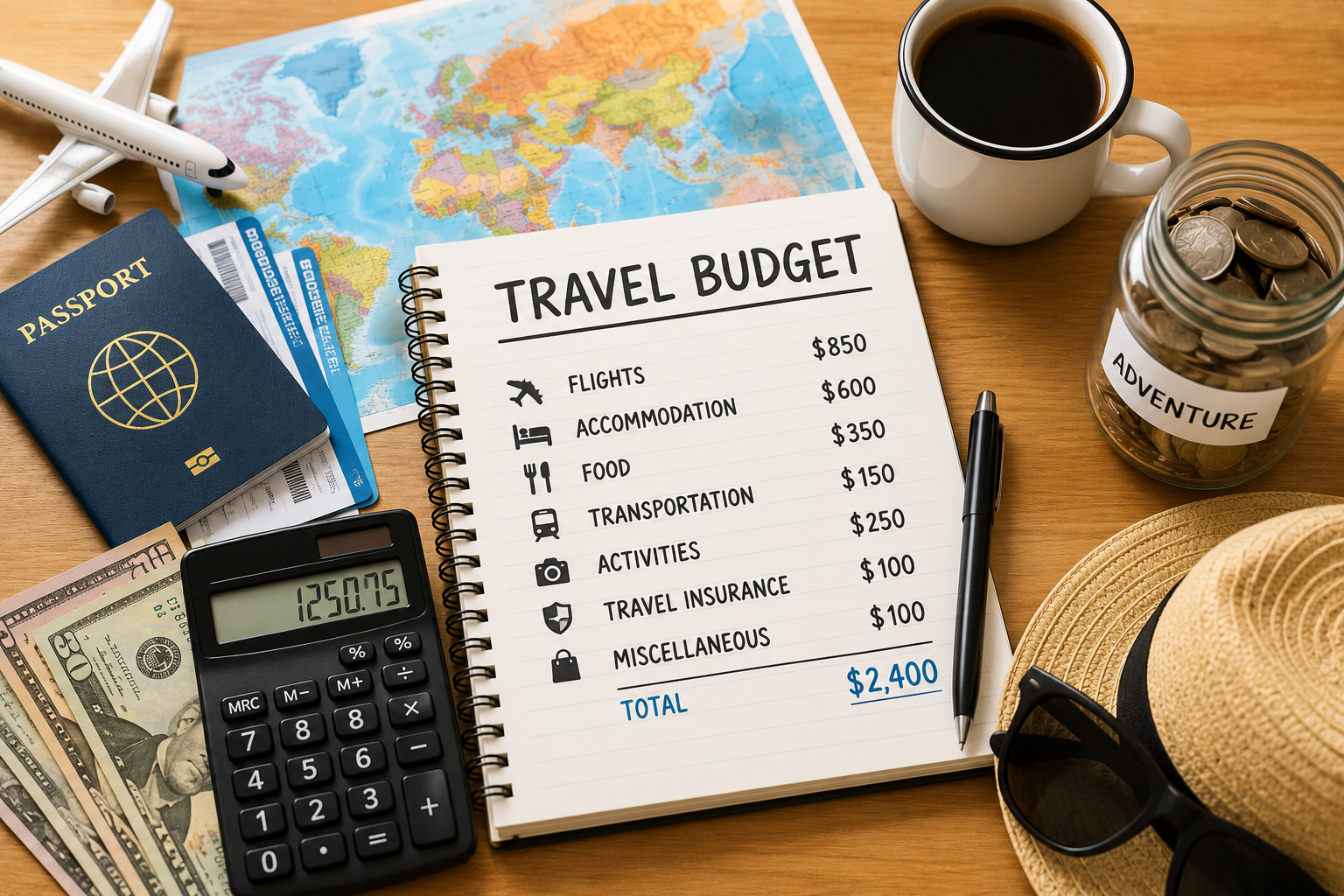
How to Create a Realistic Budget for an International Trip
Planning an international trip can be exciting until the costs start adding up.
Flights, accommodation, meals and transportation are the obvious expenses, but they are only part of the picture. Visa fees, travel insurance, airport transfers, exchange-rate changes, attractions, mobile data and unexpected costs can all affect how much a trip ultimately requires.
A realistic travel budget is not about finding the cheapest possible option. It is about estimating the full cost of a trip before leaving home and building enough flexibility into the plan to handle expenses that are difficult to predict.
Start With the Trip You Actually Want
The first step is to define the trip before assigning numbers to it.
Consider:
- Where you want to go
- How many days you will stay
- Which cities or regions you plan to visit
- Your preferred accommodation style
- The activities you want to experience
- Whether you plan to travel independently or use organized tours
- How much flexibility you want
This matters because there is no universal “international travel budget.”
A five-day city break, a two-week family vacation and a month-long backpacking trip can have dramatically different cost structures, even if they involve the same destination.
A realistic budget starts with the experience you want and then determines what that experience is likely to cost.
Separate Fixed Costs From Daily Spending
One of the easiest ways to organize a travel budget is to divide expenses into two broad categories: fixed costs and variable costs.
Fixed or mostly predetermined expenses may include:
- International flights
- Visa fees
- Travel insurance
- Accommodation booked in advance
- Airport transfers
- Prepaid tours
- Event tickets
Daily or variable expenses can include:
- Food
- Local transportation
- Attractions
- Shopping
- Entertainment
- Drinks and snacks
- Miscellaneous purchases
This distinction makes it easier to see which costs must be paid before departure and which ones need to be managed during the trip.
Calculate Transportation From Door to Door
Many travelers budget only for the international flight.
That can produce a surprisingly inaccurate estimate.
The real transportation cost may include the journey from home to the departure airport, parking or airport transport, baggage fees, connecting flights, airport transfers and transportation at the destination.
For example, a cheap international flight may become considerably more expensive after adding checked luggage, seat selection, airport transfers and transportation between cities.
When comparing flights, look at the total travel cost, not just the advertised ticket price.
If your itinerary includes multiple destinations, calculate the cost of moving between them separately. Trains, buses, domestic flights, ferries and car rentals can add a substantial amount to the final budget.
Research Accommodation Carefully
Accommodation is often one of the largest expenses on an international trip.
But the advertised nightly rate may not represent the final price.
Depending on the destination and property, additional charges can include taxes, resort fees, cleaning fees, service charges, parking and other mandatory costs.
When comparing options, look at the total price for the entire stay.
Location also matters.
A hotel that costs less per night but is far from major attractions may require more spending on taxis or public transportation. A slightly more expensive property in a central location could potentially reduce transportation costs and travel time.
The cheapest room is not necessarily the cheapest overall option.
Estimate Food Costs Realistically
Food budgets are easy to underestimate because travelers often focus on the price of a single meal rather than the total number of meals and snacks consumed each day.
A practical approach is to create a daily food allowance that reflects how you actually eat.
Consider:
- Breakfast
- Lunch
- Dinner
- Coffee and drinks
- Snacks
- Airport meals
- Special meals or restaurants
- Groceries if you have access to a kitchen
If you want to eat at several well-known restaurants, research their menus before the trip and include those meals in the budget.
At the same time, avoid assuming that every meal will be an inexpensive local meal simply because the destination is generally considered affordable.
Travel days, tourist areas and airport restaurants can be significantly more expensive.
Account for Local Transportation
Getting around a destination can cost more than expected, particularly in large cities.
Research whether the destination has reliable public transportation and whether daily or multi-day passes are available.
Also consider:
- Airport transfers
- Trains
- Buses
- Taxis
- Ride-hailing services
- Rental cars
- Fuel
- Tolls
- Parking
- Intercity transportation
If you plan to rent a car, do not budget only for the rental rate. Insurance, fuel, parking and tolls can materially increase the total.
For road trips, estimate the entire route rather than assuming transportation will cost roughly the same each day.
Include Activities and Attractions
A trip can become much more expensive once you start paying for experiences.
Museums, theme parks, guided tours, national parks, sporting events, concerts, excursions and other attractions can add hundreds of dollars to a trip.
Make a list of the experiences you consider essential and research their prices.
Then separate them into:
Must-do activities: experiences you are unwilling to miss.
Nice-to-have activities: things you would enjoy if your budget allows.
This approach gives you flexibility if the trip becomes more expensive than expected.
It also prevents a common budgeting mistake: assuming attractions will somehow fit into whatever money remains after accommodation and food.
Don’t Forget Visas and Travel Documents
International travel can involve administrative expenses that are easy to overlook.
Depending on the destination and nationality of the traveler, costs may include:
- Visa application fees
- Electronic travel authorizations
- Passport renewal
- Passport photos
- Document processing
- Airport or departure taxes
- Required permits
Requirements can change, so travelers should verify current entry rules with official government or embassy sources before finalizing their budget.
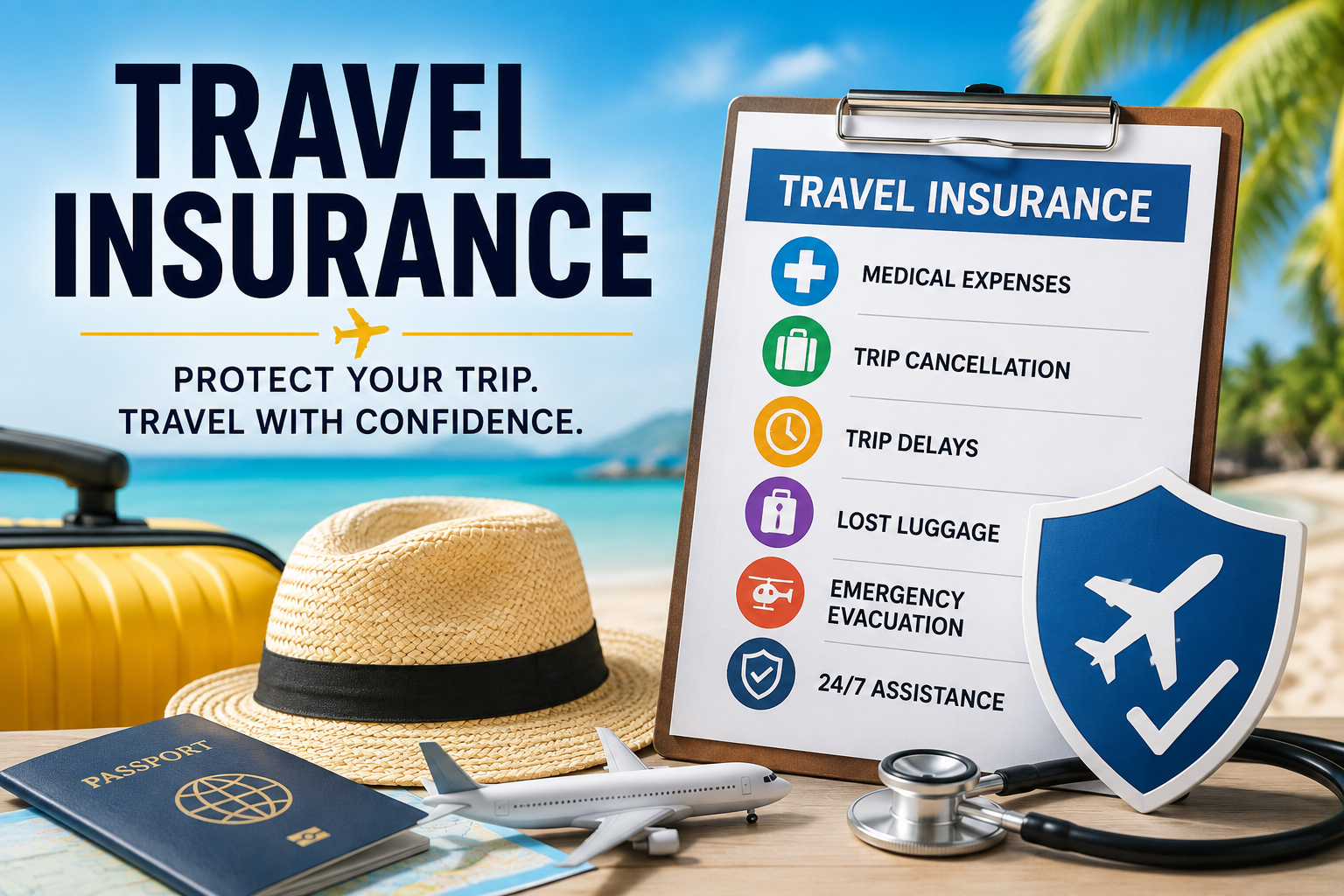
Travel Insurance Belongs in the Budget
Travel insurance is another expense that can be overlooked because it does not directly contribute to the vacation experience.
However, unexpected medical treatment, trip interruptions, cancellations, lost luggage or other disruptions can potentially create significant expenses.
The appropriate coverage depends on the destination, activities, trip length and individual circumstances.
Rather than automatically choosing the cheapest policy, travelers should examine what it actually covers, including exclusions, limits and deductibles.
The goal is not simply to buy insurance. It is to understand what protection the policy provides.
Check Currency Exchange Rates
Exchange rates can make an international trip more expensive or cheaper than expected.
When creating a budget, convert major expenses into your home currency using a reasonable exchange-rate estimate rather than assuming today’s rate will remain unchanged throughout the trip.
It can also help to leave some room for currency fluctuations.
Travelers should research how widely cards are accepted at their destination and whether their bank charges foreign transaction or currency-conversion fees.
ATM fees can also add up, particularly when withdrawing small amounts repeatedly.
Build a Daily Spending Limit
Once major expenses have been estimated, create a daily spending target for costs such as food, transportation and activities.
For example, if you have $900 available for 10 days of daily spending, your basic allowance would be $90 per day.
That does not mean you have to spend exactly $90 every day.
You might spend $55 on one day and $130 on another. The purpose is to create an average that helps you understand whether your spending is staying on track.
A daily limit can be particularly useful during longer trips because small purchases can otherwise accumulate without being noticed.
Create a Separate Emergency Fund
A realistic travel budget should include money that you do not expect to spend.
This could cover unexpected expenses such as:
- A missed connection
- Emergency transportation
- Unexpected accommodation
- Lost or damaged belongings
- Medical expenses not fully covered by insurance
- Unexpected itinerary changes
- Significant currency fluctuations
The size of the emergency reserve depends on the trip and your personal financial situation.
The important principle is to keep it separate from your normal daily spending budget.
If you plan to spend every dollar allocated to the trip, even a relatively small unexpected expense can disrupt the entire itinerary.
Budget for Shopping and Souvenirs
Shopping is one of the easiest categories to ignore before a trip.
Travelers may plan to buy gifts, clothing, local products, electronics or souvenirs once they arrive.
Rather than treating these purchases as “extra,” assign them a specific amount.
You can also create a simple rule such as waiting until the final days of the trip to make larger discretionary purchases. This gives you a better idea of how much money remains after essential expenses.
Consider the Cost of Getting Ready to Travel
Some travel expenses occur before the trip begins.
Depending on your circumstances, you may need to spend money on:
- Luggage
- Travel adapters
- Appropriate clothing
- Toiletries
- Medication or personal supplies
- SIM cards or eSIM plans
- Travel documents
- Vaccinations or other destination-specific requirements
- Airport transportation
These costs may not appear on a typical vacation budget, but they still affect how much the trip costs you.
If you already own most of these items, your preparation costs may be minimal. If you are starting from scratch, they can add up quickly.
Use Three Budget Scenarios
One useful way to make a travel budget more realistic is to create three versions.
Minimum Budget
This represents the lowest amount you could reasonably spend while still having the trip you want.
It might involve budget accommodation, public transportation, inexpensive meals and fewer paid attractions.
Comfortable Budget
This reflects how you realistically expect to travel.
You might choose mid-range accommodation, a mixture of restaurants and casual meals, regular sightseeing and convenient transportation.
Higher-Spending Budget
This includes additional experiences, upgraded accommodation, more restaurants, shopping and greater flexibility.
Creating these three scenarios helps you understand how much flexibility you have.
It also makes it easier to adjust the trip if flights or accommodation become more expensive than expected.
Don’t Build a Budget Around Perfect Conditions
One of the biggest travel-budget mistakes is assuming everything will go according to plan.
The cheapest flight will operate exactly as scheduled. Public transportation will always be available. You will never need a taxi. Every meal will cost what you expected. No attraction will require an unexpected fee.
Real trips rarely work that way.
A good budget accounts for some uncertainty.
This is why a contingency fund is so valuable. It allows you to absorb small surprises without constantly worrying that one unexpected expense will derail the trip.
Track Spending While You Travel
Creating a budget before departure is only half the process.
You also need some way to monitor spending while you are away.
A simple spreadsheet, budgeting app, notes app or banking tool can be enough.
Track major categories such as:
| Category | Planned | Actual |
|---|---|---|
| Flights | $1,000 | $1,050 |
| Accommodation | $1,200 | $1,180 |
| Food | $600 | $645 |
| Transportation | $300 | $275 |
| Activities | $400 | $450 |
| Shopping | $200 | $165 |
| Emergency reserve | $300 | $0 |
The exact numbers will vary, but the comparison between planned and actual spending can reveal where your assumptions were realistic and where they were too optimistic.
Watch Out for Small Expenses
Small purchases can have a surprisingly large effect on a travel budget.
A coffee here, a snack there, an extra taxi ride and a few inexpensive souvenirs may not seem significant individually.
Over two weeks, however, those purchases can add up.
This does not mean travelers should track every tiny expense obsessively. Instead, they should recognize that discretionary spending is part of the overall budget.
If you know that you enjoy spontaneous purchases while traveling, build them into the plan rather than pretending they will not happen.
Avoid Going Into Debt for a Vacation
A realistic travel budget should reflect what you can comfortably afford rather than what a credit card makes possible.
Borrowing money for a trip can make the vacation appear affordable in the short term while creating financial pressure after returning home.
Before booking, consider whether you can pay for the trip without compromising essential expenses, emergency savings or important financial obligations.
If the numbers do not work, changing the itinerary may be more sustainable than relying on debt.
That could mean traveling for fewer days, choosing a different destination, visiting during a less expensive period or reducing discretionary activities.
Turn the Budget Into a Pre-Trip Checklist
Once you have calculated the major costs, organize the information into a simple checklist.
Before Booking
- Confirm the destination and trip length
- Research flight prices
- Compare accommodation options
- Check visa and entry requirements
- Research travel insurance
- Estimate transportation costs
- Check major attraction prices
Before Departure
- Confirm bookings
- Set aside emergency funds
- Check payment-card fees
- Arrange appropriate currency access
- Purchase necessary travel items
- Review important travel documents
- Download useful travel and transportation apps
During the Trip
- Monitor daily spending
- Keep track of major purchases
- Adjust discretionary spending if necessary
- Protect your emergency reserve
- Keep receipts for important expenses
A Realistic Budget Gives You More Freedom
A travel budget should not make an international trip feel restrictive.
Quite the opposite.
Knowing how much you can comfortably spend allows you to make decisions with greater confidence. You can enjoy a restaurant without wondering whether you can afford it, choose an attraction because it fits within the plan and recognize when it makes sense to save money elsewhere.
The most useful travel budget is therefore not the one that predicts every expense perfectly. It is the one that gives you a realistic picture of the trip’s total cost, accounts for uncertainty and leaves enough room to enjoy the experience.
When travelers budget for the entire journey—from leaving home to returning again—they are far less likely to be surprised by the true cost of going abroad. And that financial clarity can make the trip itself considerably more enjoyable.




2 Comments
Micle harison
June 7, 2019Lorem ipsum dolor sit amet, usu ut perfecto postulant deterruisset, libris causae volutpat at est, ius id modus laoreet urbanitas. Mel ei delenit dolores.
John Doe
June 7, 2019Some consultants are employed indirectly by the client via a consultancy staffing company.