
Why Europe’s Wildfires Are Becoming More Frequent—and What the World Can Learn
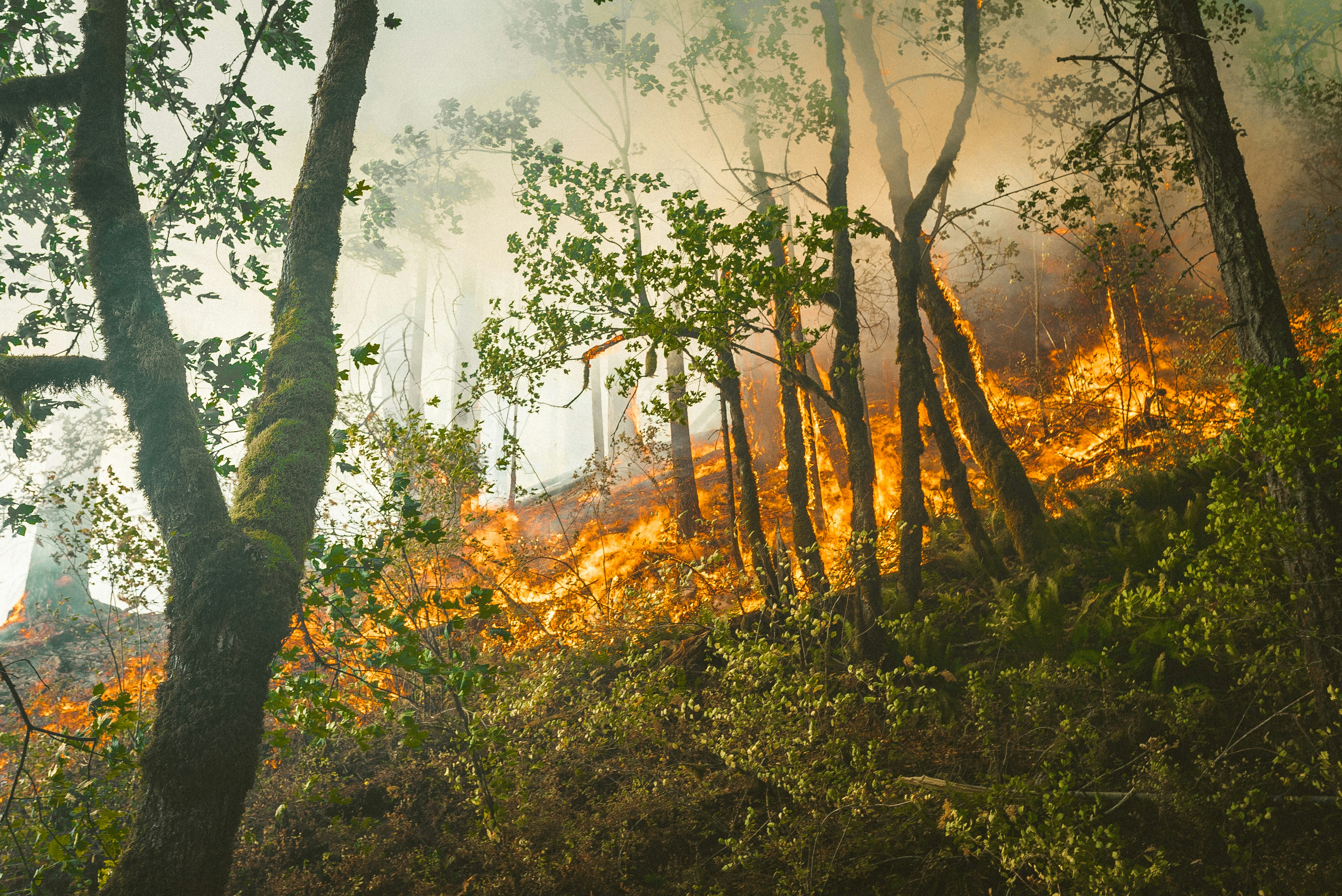
Each summer, headlines about wildfires sweeping across Southern Europe have become increasingly common. This year is no exception. Large fires have forced thousands of residents and tourists to evacuate parts of Spain, France, Greece, and other Mediterranean regions, while firefighters continue battling fast-moving blazes fuelled by extreme heat and dry conditions.
Although wildfires have always been a natural part of many ecosystems, scientists say the frequency, intensity, and duration of these events are changing. The combination of rising temperatures, prolonged droughts, changing weather patterns, and expanding urban development has created conditions where fires ignite more easily and spread more rapidly than in previous decades.
The growing crisis is prompting governments, researchers, and communities around the world to rethink how they prepare for an increasingly fire-prone future.
Why Are Wildfires Becoming More Severe?
Wildfires require three ingredients: fuel, oxygen, and an ignition source. While lightning remains a natural cause of many fires, human activity is responsible for a significant proportion of wildfire outbreaks globally.
What has changed is the environment in which these fires occur.
Hotter summers dry out vegetation, turning forests, grasslands, and shrubs into highly combustible fuel. Extended periods without rainfall allow this vegetation to accumulate, while stronger winds can push flames across vast distances in a matter of hours.
When these conditions align, even a small spark—from discarded cigarettes to faulty power lines—can develop into a large-scale wildfire.
Climate Change Is Altering Fire Seasons
One of the most noticeable changes over the past several decades is the length of wildfire seasons.
Regions that once experienced only a few weeks of elevated fire risk are now facing dangerous conditions for several months each year. Earlier snowmelt, hotter spring temperatures, and reduced rainfall leave landscapes vulnerable long before the traditional fire season begins.
This extended window increases the likelihood that multiple large fires will occur simultaneously, stretching emergency services and firefighting resources.
Communities Are Expanding Into High-Risk Areas
Another contributing factor is urban expansion.
As more people build homes near forests and natural landscapes, the boundary between human settlements and wildfire-prone vegetation continues to shrink. This area, often referred to as the wildland-urban interface, presents unique challenges for emergency responders.
Protecting both lives and property becomes significantly more difficult when fires threaten densely populated communities.
In many cases, firefighters must divide their efforts between containing the blaze and evacuating residents.
The Economic Impact Extends Beyond Property Damage
Wildfires affect far more than homes and forests.
Tourism often declines in affected regions, agricultural land can be destroyed, transportation networks disrupted, and local businesses forced to close during evacuation periods.
Smoke from major fires may travel hundreds or even thousands of kilometres, reducing air quality in neighbouring countries and creating public health concerns for millions of people.
Insurance companies are also reassessing wildfire risk, leading to higher premiums or reduced coverage in vulnerable regions.
Technology Is Becoming a Critical Tool
Governments and emergency agencies are increasingly turning to technology to improve wildfire detection and response.
Satellite imagery allows authorities to identify hotspots in near real time, while drones provide detailed aerial views that help firefighters plan containment strategies.
Artificial intelligence is also beginning to play an important role.
Machine learning models can analyse weather conditions, vegetation density, historical fire data, and wind patterns to predict where fires are most likely to occur or how they may spread.
These tools help emergency services allocate resources more effectively before fires become unmanageable.
What Can Individuals Do?
While governments and emergency agencies play a central role in wildfire management, individuals also have responsibilities.
Residents living near forests or grasslands can reduce fire risk by:
- Clearing dry vegetation around homes
- Maintaining defensible space between buildings and trees
- Following local fire restrictions
- Preparing evacuation plans in advance
- Reporting smoke or suspicious fires immediately
Small preventative measures can significantly reduce the likelihood of a fire spreading to homes and neighbouring communities.
A Global Challenge
Although Europe has received significant attention this year, wildfire activity is increasing in many parts of the world, including North America, South America, Australia, and parts of Africa.
Many experts believe that countries will need to collaborate more closely on wildfire research, firefighting resources, and climate adaptation strategies.
As weather patterns continue to evolve, the lessons learned in one region may prove valuable elsewhere.
Looking Ahead
Wildfires are unlikely to disappear. In many ecosystems, they remain a natural and necessary process that helps regenerate vegetation and maintain ecological balance.
The challenge lies in adapting to a world where these fires are becoming more frequent, more intense, and increasingly costly.
Investing in early detection, resilient infrastructure, responsible land management, and community preparedness will be essential for reducing future losses.
The fires burning across Europe serve as a reminder that environmental challenges rarely remain confined to one country. As climate, technology, and human development continue to intersect, building resilience will become just as important as responding to the next emergency.


2 Comments
Micle harison
June 7, 2019Lorem ipsum dolor sit amet, usu ut perfecto postulant deterruisset, libris causae volutpat at est, ius id modus laoreet urbanitas. Mel ei delenit dolores.
John Doe
June 7, 2019Some consultants are employed indirectly by the client via a consultancy staffing company.