
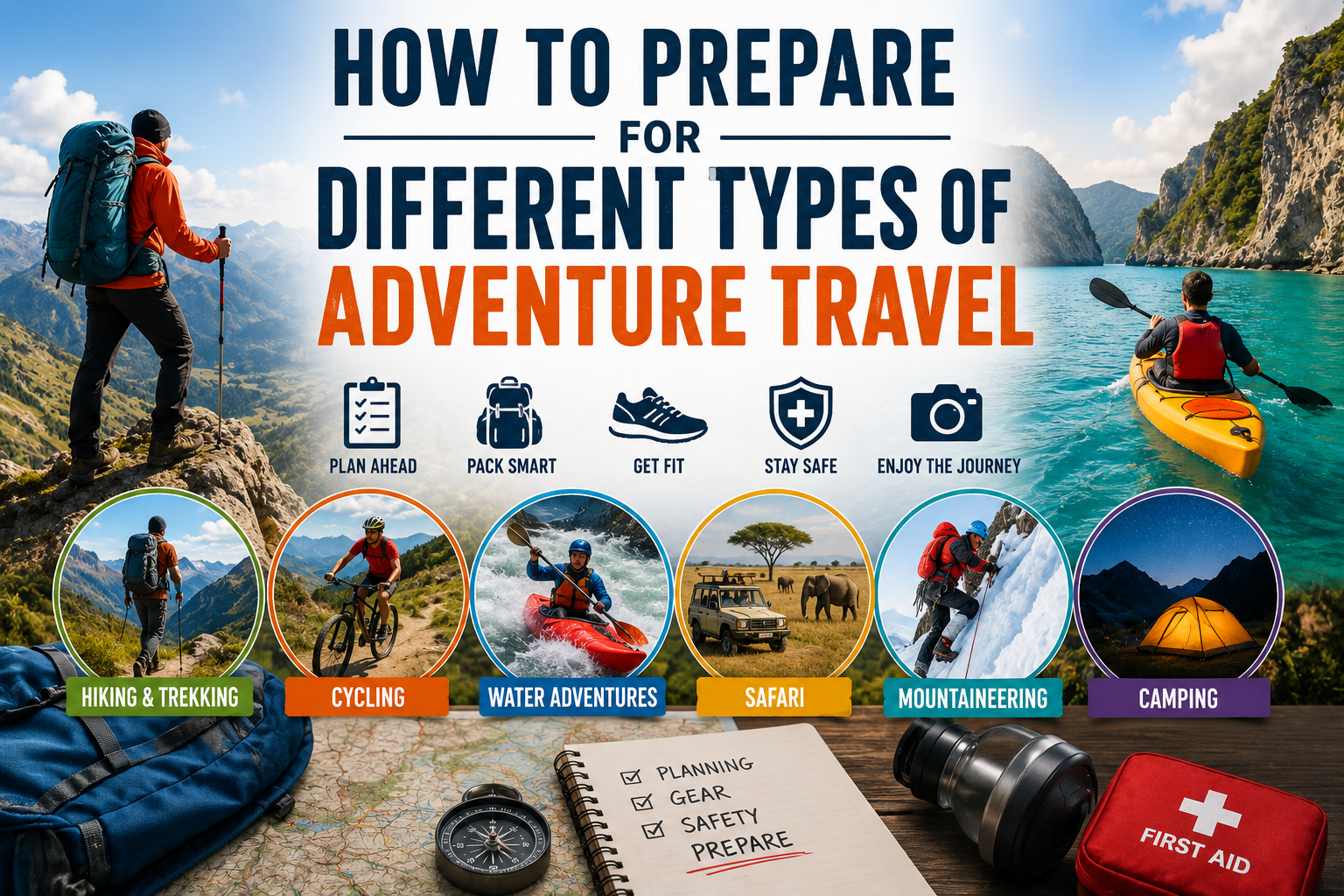
How to Prepare for Different Types of Adventure Travel
Adventure travel can mean very different things to different people. For one traveler, it might involve hiking through remote mountains. For another, it could mean kayaking along a rugged coastline, going on safari, cycling across unfamiliar terrain or exploring a desert.
Whatever form it takes, adventure travel requires more preparation than a conventional vacation.
The right preparation can help travelers manage changing weather, unfamiliar environments, physical demands, equipment requirements and unexpected situations. It can also make the experience more enjoyable because less time is spent worrying about preventable problems.
The key is to prepare according to the type of adventure, destination, activity and level of difficulty.
What Makes Adventure Travel Different?
Adventure travel typically involves some combination of physical activity, unfamiliar environments, outdoor conditions, remote locations or activities that require specialized skills.
Compared with a conventional city break, an adventure trip may involve:
- Long periods of walking or physical activity
- Unpredictable weather
- Limited access to shops and services
- Remote accommodation
- Specialized equipment
- Changes in altitude
- Water-based activities
- Wildlife encounters
- Rough or undeveloped terrain
- Limited phone or internet connectivity
This does not mean every adventure trip is dangerous.
Good preparation is largely about understanding the conditions and reducing avoidable risks.
Before traveling, consider three basic questions:
What will I be doing?
What environment will I be doing it in?
What could reasonably go wrong?
The answers should determine what you pack, what skills you develop and what precautions you take.
Start With the Destination
Preparation should begin well before packing.
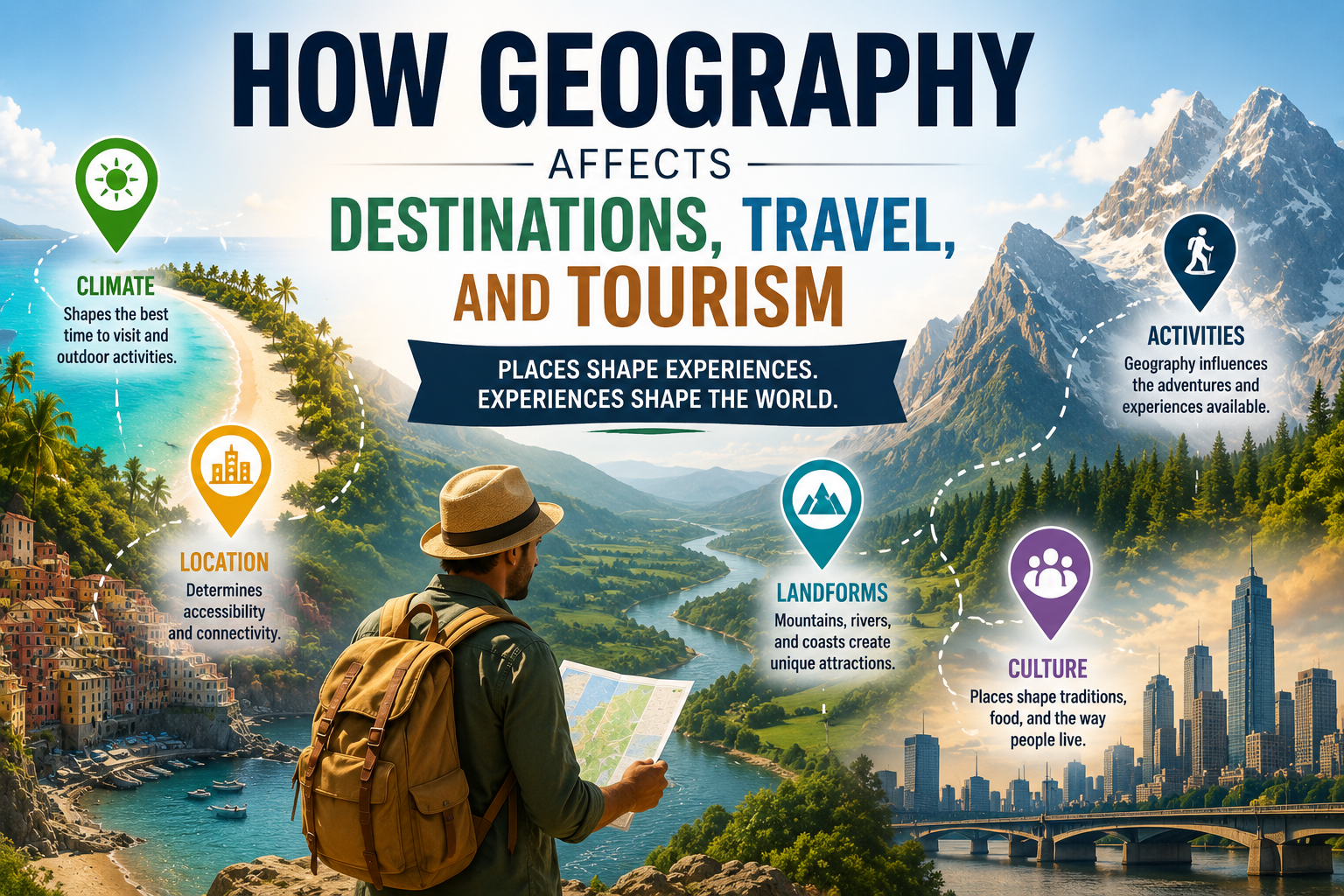
Research the destination carefully and learn about its geography, climate, transportation, local regulations and accessibility.
Important information can include:
- Typical weather conditions
- Temperature ranges
- Rainfall patterns
- Terrain
- Altitude
- Wildlife
- Local transportation
- Communication availability
- Medical facilities
- Entry requirements
- Local laws
- Recommended vaccinations or health precautions
- Emergency services
Government travel advisories can also provide useful information about safety, entry requirements and local conditions.
Understanding the destination allows you to prepare for actual conditions rather than relying on assumptions.
Prepare for Hiking and Trekking Adventures
Hiking and trekking are among the most accessible forms of adventure travel, but preparation becomes increasingly important as the distance, terrain and remoteness increase.
A short day hike near a populated area requires very different preparation from a multi-day trek through remote mountains.
Build your fitness gradually
You do not necessarily need to be an elite athlete to enjoy hiking.
However, your body should be prepared for the demands of the route.
Training can include:
- Walking longer distances
- Climbing stairs
- Hiking on uneven terrain
- Strength exercises
- Cardiovascular training
- Carrying a progressively heavier backpack
If your trip involves steep climbs, include elevation in your training where possible.
The goal is to make the actual adventure challenging but manageable.
Choose appropriate footwear
Footwear can make a major difference during a hiking trip.
Depending on the terrain, you may need:
- Lightweight hiking shoes
- Hiking boots
- Waterproof footwear
- Shoes with strong traction
- Sandals designed for specific environments
Avoid taking brand-new footwear on a demanding trip without breaking it in first.
Blisters and foot pain can turn an otherwise enjoyable adventure into a miserable experience.
Pack for changing conditions
Weather in mountainous areas can change quickly.
A basic hiking packing list may include:
- Water
- Food or snacks
- Weather-appropriate clothing
- Rain protection
- Navigation tools
- First-aid supplies
- Sun protection
- Headlamp or flashlight
- Phone or communication device
- Power bank
- Emergency shelter where appropriate
For remote or multi-day hikes, the equipment requirements become considerably more extensive.
Preparing for Mountain and High-Altitude Adventures
Mountain travel presents additional challenges because altitude can affect the body.
The higher you travel, the lower the available oxygen becomes. Some people experience altitude-related symptoms even when they are otherwise fit.
Potential symptoms can include:
- Headache
- Dizziness
- Fatigue
- Nausea
- Shortness of breath
The risk depends on factors such as altitude, speed of ascent and individual susceptibility.
One important misconception is that being physically fit completely prevents altitude-related illness. Fitness does not guarantee protection.
For high-altitude travel, research the route carefully and understand how much time is available for acclimatization.
Travelers should also learn the warning signs of serious altitude-related illness and know when descending is necessary.
For challenging high-altitude expeditions, professional medical and expedition advice can be particularly valuable.
Preparing for Safari Adventures
Safari travel combines adventure with wildlife observation, often in environments that can be hot, remote and unfamiliar.
Preparation should focus on comfort, safety and respect for wildlife.
Pack appropriate clothing
Lightweight, breathable clothing can be useful in hot environments.
Neutral colors may also be preferable in some wildlife-viewing situations because they are less visually conspicuous than extremely bright clothing.
Other useful items can include:
- Comfortable walking shoes
- Wide-brimmed hat
- Sunglasses
- Sunscreen
- Insect repellent
- Lightweight layers
- Reusable water bottle
- Binoculars
- Camera equipment
Understand wildlife safety
Wild animals should never be treated like domestic animals.
Travelers should follow the instructions of guides and park authorities.
That can include:
- Remaining inside designated vehicles where required
- Keeping a safe distance from animals
- Avoiding feeding wildlife
- Following camp rules
- Not approaching animals independently
- Respecting restricted areas
Wildlife encounters are most rewarding when animals are allowed to behave naturally without unnecessary interference.
Preparing for Water-Based Adventures
Kayaking, rafting, canoeing, snorkeling and other water-based activities require preparation that is different from land-based travel.
Water conditions can change quickly.
Before participating, learn about:
- Water temperature
- Currents
- Tides
- Weather
- River conditions
- Expected swimming ability
- Required safety equipment
- Local hazards
Wear appropriate safety equipment
For activities such as kayaking, rafting and boating, an appropriate personal flotation device can be essential.
Depending on the activity, additional equipment may include:
- Helmet
- Wetsuit
- Water shoes
- Dry bag
- Waterproof communication equipment
- Throw rope
- Navigation equipment
Equipment should fit correctly and be used according to the activity provider’s instructions.
Know your limits
Being comfortable in a swimming pool does not necessarily mean you are prepared for open water.
Strong currents, cold temperatures and waves can create very different conditions.
Beginners should consider taking instruction before attempting technically demanding water activities.
Preparing for Scuba Diving Adventures
Scuba diving requires specialized preparation because travelers are operating underwater and using breathing equipment.
Certification requirements depend on the type of diving and location.
Before a diving trip, travelers should consider:
- Certification requirements
- Recent diving experience
- Equipment
- Medical fitness
- Water temperature
- Visibility
- Current conditions
- Depth
- Emergency procedures
Divers should also understand basic diving safety principles and follow the guidance of qualified instructors or dive operators.
If you have been out of the water for a long period, a refresher course can be useful before undertaking more challenging dives.
Preparing for Cycling Adventures
Cycling trips can range from leisurely rides to demanding multi-day expeditions.
Preparation should consider both physical endurance and equipment reliability.
Training should gradually increase the distance and terrain you expect to encounter.
If the route involves hills, practice climbing.
If it involves long distances, gradually increase your riding time.
Prepare the bicycle
A basic mechanical check should include:
- Tires
- Brakes
- Chain
- Gears
- Wheels
- Lights
- Battery or power systems where applicable
For longer trips, travelers should understand basic repairs such as fixing a puncture and adjusting a chain.
A compact repair kit can be extremely useful when traveling away from repair shops.
Preparing for Camping Adventures
Camping introduces another level of self-sufficiency.
Instead of relying on hotels and restaurants, travelers may need to manage shelter, food, water, lighting and waste themselves.
Before leaving, understand the rules of the campsite or wilderness area.
These may cover:
- Where tents can be placed
- Campfires
- Food storage
- Wildlife
- Waste disposal
- Water sources
- Quiet hours
- Permits
Practice before a remote camping trip
If you have never camped before, it is better to test your equipment close to home.
Set up your tent.
Test your sleeping system.
Try your stove.
Check your lighting.
Practice packing your backpack.
This allows you to discover problems while you still have easy access to replacements.
Preparing for Desert Adventures
Desert environments can look simple but can be surprisingly demanding.
High daytime temperatures, strong sunlight and limited water availability create important challenges.
At the same time, temperatures can drop significantly after sunset in some desert environments.
Travelers should consider:
- Adequate water
- Sun protection
- Lightweight clothing
- Head covering
- Sunglasses
- Navigation
- Emergency communication
- Appropriate footwear
- Temperature changes
Never underestimate how quickly dehydration can become a serious problem.
Remote desert travel also requires careful planning because assistance may be far away.
Preparing for Winter and Snow Adventures
Cold-weather adventures require specialized preparation.
Activities such as snowshoeing, skiing, winter hiking and mountaineering can expose travelers to freezing temperatures, wind and rapidly changing conditions.
Layering is particularly useful because it allows clothing to be adjusted as activity levels change.
A basic system may include:
- Base layer — helps manage moisture.
- Insulating layer — helps retain warmth.
- Outer layer — provides protection from wind and precipitation.
Other equipment may include:
- Waterproof gloves
- Warm hat
- Insulated footwear
- Goggles
- Traction equipment
- Emergency shelter
- Navigation equipment
Winter travelers should also understand the risks associated with hypothermia, frostbite and avalanches where relevant.
Preparing for Rock Climbing Adventures
Rock climbing requires technical knowledge that should not be improvised.
Beginners should learn from qualified instructors and understand how climbing equipment works.
Depending on the type of climbing, equipment may include:
- Climbing harness
- Helmet
- Rope
- Climbing shoes
- Carabiners
- Belay device
- Protection equipment
The specific equipment varies considerably between indoor climbing, sport climbing, traditional climbing and other forms.
Climbers should also understand communication, belaying, anchor systems and emergency procedures appropriate to their activity.
Preparing for Road Trips and Overland Adventures
Adventure travel does not always involve extreme physical activity.
Long-distance road trips and overland journeys can also involve remote environments and unpredictable conditions.
Before departure, check:
- Vehicle condition
- Tires
- Brakes
- Fluids
- Spare tire
- Navigation
- Fuel availability
- Emergency equipment
- Communication options
Research the route and identify locations where fuel, food, accommodation and medical services are available.
For remote journeys, tell someone your planned route and expected arrival times.
Pack According to the Activity
One of the most common travel mistakes is packing based on the destination rather than the activity.
A trip to a mountain region could involve a luxury lodge, a day hike or a multi-day expedition. Each requires completely different equipment.
Instead, create your packing list around the specific activities.
Essential categories can include:
Clothing
Choose clothing based on weather, activity and layering requirements.
Footwear
Match footwear to terrain and activity.
Navigation
Consider maps, GPS devices and backup navigation methods.
Communication
Carry a charged phone and consider alternative communication equipment for remote destinations.
Health and first aid
Pack appropriate personal medications and basic first-aid supplies.
Hydration
Carry enough water for the planned activity and understand where safe water sources are available.
Nutrition
Bring sufficient food for the activity and emergency situations where appropriate.
Protection
Think about sun, insects, rain, cold, heat and other environmental conditions.
Do Not Forget Travel Documents
Adventure does not eliminate ordinary travel requirements.
Depending on the destination, travelers may need:
- Passport
- Visa
- Travel insurance
- Vaccination documentation
- Activity permits
- Driving permits
- Accommodation confirmations
- Emergency contact information
Keep digital copies of important documents while also maintaining appropriate physical backups.
Travel Insurance Matters More for Adventure Trips
Standard travel insurance policies do not necessarily cover every adventure activity.
Some policies exclude activities considered high-risk.
Before purchasing insurance, check whether the policy covers the activities you plan to undertake.
This can include:
- Trekking
- Scuba diving
- Skiing
- Mountain climbing
- Cycling
- Rafting
- Paragliding
Also examine coverage for medical evacuation, trip interruption, lost equipment and emergency transportation where relevant.
The cheapest policy is not necessarily the most useful one if it excludes the main activity you are traveling to undertake.
Prepare Your Body Before the Trip
Physical preparation should match the demands of the adventure.
A traveler planning a multi-day trek should train differently from someone planning a relaxed kayaking holiday.
Start several weeks or months ahead when the activity is demanding.
Training might include:
- Endurance exercises
- Strength training
- Balance exercises
- Mobility work
- Walking or hiking
- Swimming
- Cycling
Gradual progression is generally more sustainable than suddenly increasing activity shortly before departure.
If you have an existing medical condition, are taking medication or have concerns about whether a demanding activity is appropriate for you, discuss the planned activity with a qualified healthcare professional.
Learn Basic Emergency Skills
You do not need to become an expert survivalist to travel responsibly.
However, basic knowledge can be valuable.
Depending on the trip, consider learning:
- Basic first aid
- CPR
- Navigation
- Water safety
- Weather awareness
- Basic equipment repair
- Emergency communication
- How to recognize heat or cold-related illness
For technical adventures, specialized training may be necessary.
Check the Weather Before You Leave
Weather forecasts can influence whether an adventure should proceed as planned.
Check conditions shortly before departure and continue monitoring them during the trip when possible.
Pay attention to:
- Temperature
- Rain
- Wind
- Storms
- Snow
- Visibility
- Flooding
- Heat
- Ocean conditions
Do not assume that because conditions were safe yesterday, they will remain safe today.
In outdoor environments, changing weather can significantly alter the difficulty of an activity.
Have a Backup Plan
Experienced travelers understand that plans sometimes fail.
A trail may close.
A storm may arrive.
A flight may be delayed.
A road may become inaccessible.
A piece of equipment may fail.
A backup plan can prevent a minor disruption from becoming a major problem.
Before leaving, know:
- Alternative routes
- Backup accommodation
- Emergency transport options
- Nearby towns
- Medical facilities
- Communication methods
Flexibility is one of the most valuable skills an adventure traveler can develop.
Respect Local Communities and Environments
Adventure travel takes place in environments that belong to local communities and ecosystems.
Responsible travelers should respect local customs, wildlife and natural environments.
That means:
- Following local regulations
- Staying on designated trails
- Avoiding unnecessary environmental damage
- Taking waste with you
- Respecting wildlife
- Asking before photographing people
- Supporting legitimate local businesses
- Learning basic local customs
The objective should be to leave the destination no worse than you found it.
A Simple Preparation Checklist
Before an adventure trip, work through this checklist:
Destination
- Research the location.
- Check weather and climate.
- Understand local regulations.
- Identify potential hazards.
- Research transportation and emergency services.
Physical preparation
- Assess the physical demands.
- Train appropriately.
- Practice the relevant activity.
- Avoid increasing activity too quickly.
Equipment
- Make a complete equipment list.
- Test everything before departure.
- Repair or replace damaged equipment.
- Carry backups for critical items.
Health and safety
- Review relevant health precautions.
- Pack personal medications.
- Carry basic first-aid supplies.
- Learn important emergency procedures.
- Know your limits.
Documents
- Check passport and visa requirements.
- Confirm permits.
- Review travel insurance.
- Save emergency contacts.
- Keep copies of important documents.
Communication
- Charge devices.
- Carry appropriate power sources.
- Understand where coverage may be unavailable.
- Consider alternative communication for remote adventures.
Contingencies
- Prepare an alternative plan.
- Share your itinerary.
- Know how to leave the area if conditions deteriorate.
- Monitor weather and local conditions.
Choosing the Right Adventure for Your Experience Level
One of the best ways to stay safe is to choose an adventure that matches your experience.
Beginners can start with activities that provide professional instruction and relatively easy access to assistance.
As skills and confidence improve, travelers can gradually move toward more demanding activities.
For example:
Beginner: Guided day hike
Intermediate: Multi-day trek with established camps
Advanced: Remote or technically demanding expedition
The same progression can apply to diving, climbing, cycling, kayaking and other activities.
There is no need to start with the most difficult version of an activity.
Making Adventure Travel More Enjoyable
Preparation should not make travel feel like a military operation.
The purpose is to remove avoidable problems so that you can focus on the experience.
Once the essentials are covered, leave room for flexibility.
Some of the best travel experiences happen when travelers discover an unexpected viewpoint, meet local people, find a less crowded trail or change plans because conditions offer a better opportunity.
The best-prepared travelers are therefore not necessarily those who plan every minute.
They are the ones who understand the environment well enough to make good decisions when circumstances change.
Turning Preparation Into Part of the Adventure
Different forms of adventure travel demand different kinds of preparation.
A mountain trek requires attention to fitness, altitude, navigation and weather. A safari requires wildlife awareness and environmental preparation. Water adventures require knowledge of conditions and appropriate safety equipment. Winter travel demands protection against cold, while cycling and road trips require equipment and route planning.
The common thread is matching preparation to risk.
Research the destination, understand the activity, prepare your body, test your equipment, protect your health, organize your documents and have a realistic backup plan.
Adventure travel is ultimately about experiencing something outside your normal routine. With thoughtful preparation, travelers can spend less time worrying about what might go wrong and more time appreciating the landscapes, cultures and experiences that made the journey worth taking.




2 Comments
Micle harison
June 7, 2019Lorem ipsum dolor sit amet, usu ut perfecto postulant deterruisset, libris causae volutpat at est, ius id modus laoreet urbanitas. Mel ei delenit dolores.
John Doe
June 7, 2019Some consultants are employed indirectly by the client via a consultancy staffing company.