

How Travel Activities Shape Destination Experiences
A destination is rarely defined by its landmarks alone. Two travelers can visit the same city, beach, national park, or historic town and return home with completely different impressions because of what they chose to do while they were there.
One traveler may spend a morning exploring museums, another may join a cooking class, while someone else hikes through the surrounding countryside. Their accommodation and destination may be identical, but their experiences are shaped by the activities they choose.
Travel activities can influence how visitors understand local culture, interact with communities, discover landscapes, spend money, and remember a destination long after the trip ends. They can also determine whether a place feels authentic, relaxing, adventurous, educational, or overwhelming.
Understanding this relationship helps travelers plan more meaningful trips while helping destinations develop tourism experiences that benefit both visitors and local communities.
What Are Travel Activities?
Travel activities are experiences and things visitors do during a trip beyond simply reaching a destination or staying at accommodation.
They can include:
- Visiting museums and historical sites
- Hiking and nature walks
- Food and culinary experiences
- Cultural performances
- Wildlife viewing
- Water sports
- Shopping
- Guided tours
- Festivals and community events
- Photography
- Adventure activities
- Wellness experiences
- Local workshops
- Cycling
- Scenic drives
- Volunteering and community experiences
The right mix depends on the destination and the traveler’s interests.
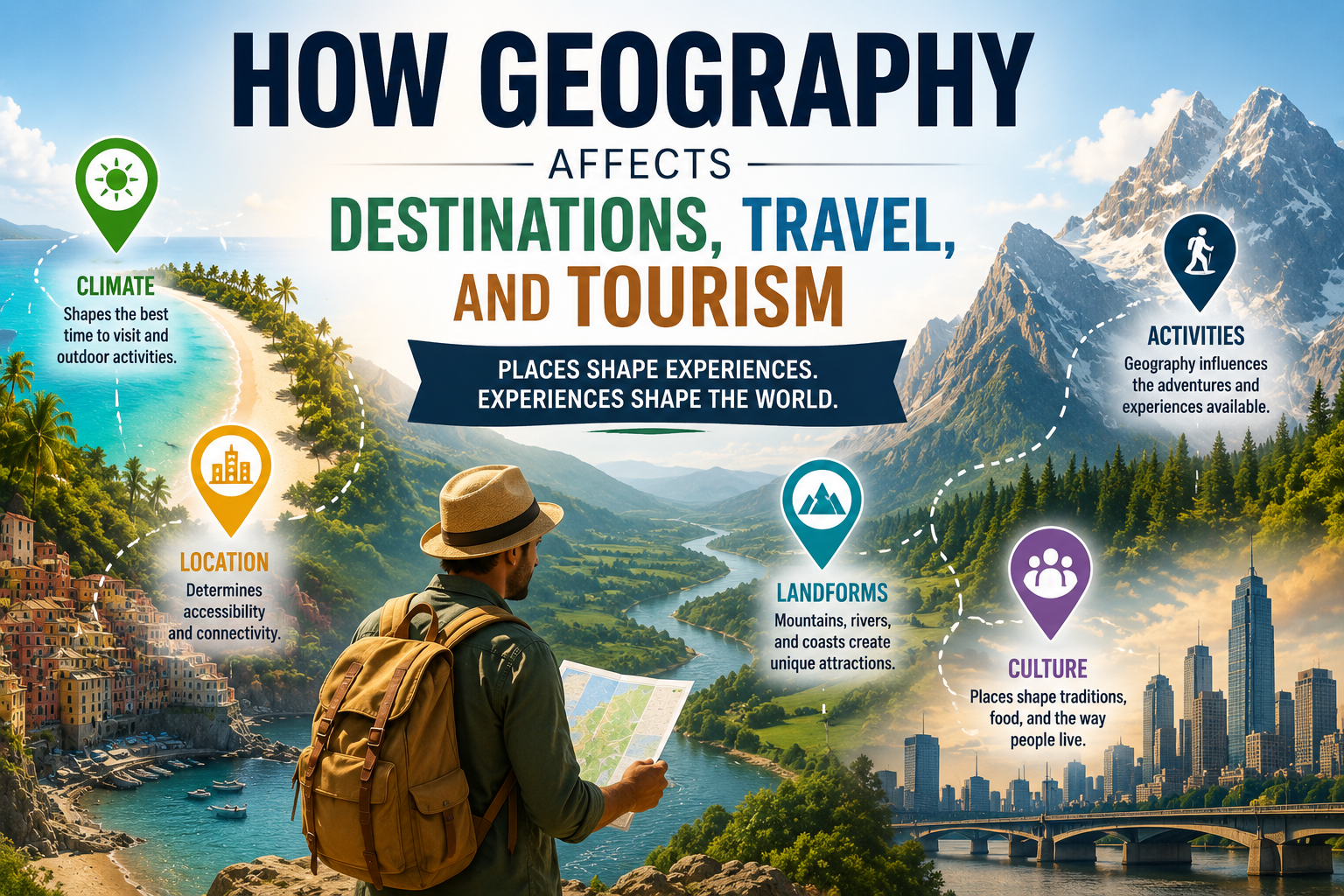
A coastal destination may naturally encourage swimming, snorkeling, sailing, and fishing, while a historic city may offer architecture tours, museums, markets, and cultural performances.
Activities Turn Destinations Into Experiences
A destination is a physical place, but a travel experience is created through interaction with that place.
Simply looking at a mountain is different from hiking to its summit. Seeing a traditional dish in a restaurant is different from learning how local cooks prepare it. Walking past a historic building is different from hearing the story behind its construction from a knowledgeable guide.
Activities therefore create opportunities for travelers to interact with their surroundings.
This interaction can make a destination feel more personal and memorable.
Instead of remembering only what a place looked like, travelers may remember:
- The people they met
- Something new they learned
- A meal they prepared
- A challenging hike
- A cultural performance
- A conversation with a local resident
- A landscape they experienced firsthand
These moments often become the stories people tell when they return home.
Cultural Activities Deepen Understanding
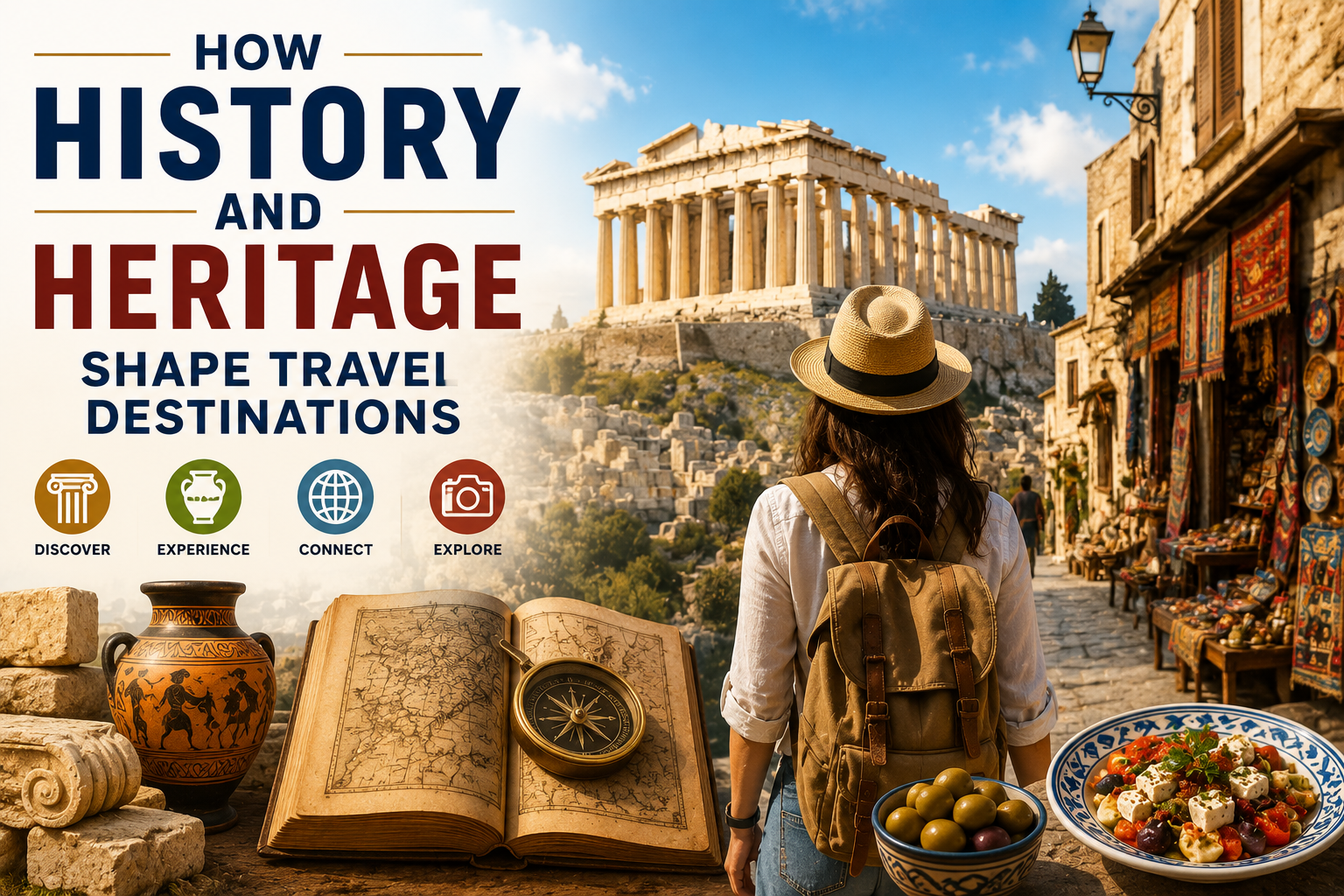
Cultural activities can help visitors understand destinations beyond their most recognizable attractions.
Examples include:
- Traditional cooking classes
- Local craft workshops
- Music and dance performances
- Historical walking tours
- Visits to cultural centers
- Traditional storytelling
- Local markets
- Community-based tourism
- Language experiences
When these activities are thoughtfully designed, travelers can learn about local traditions, history, beliefs, food, art, and everyday life.
Authenticity Matters
Travelers increasingly seek experiences that feel genuine rather than highly standardized.
However, “authenticity” is complicated.
A cultural experience does not need to be completely untouched by tourism to be meaningful. What matters is whether local communities have meaningful involvement and whether visitors receive an honest representation of the culture rather than a performance created entirely to satisfy tourist expectations.
Responsible cultural tourism should respect local customs and avoid turning sensitive traditions into spectacles.
Food Can Become a Gateway to Place
Food is one of the most powerful ways travelers connect with destinations.
Local cuisine reflects geography, history, agriculture, migration, trade, and cultural exchange.
A traveler may learn more about a destination by exploring its food traditions than by simply reading a list of historical facts.
Food-related activities can include:
- Street-food tours
- Cooking classes
- Farm visits
- Local market tours
- Restaurant experiences
- Food festivals
- Coffee or tea experiences
- Wine and beverage tourism
- Traditional baking workshops
A meal can become an opportunity to learn about ingredients, preparation methods, family traditions, and regional identity.
Outdoor Activities Connect Travelers With Landscapes
Nature-based activities allow visitors to experience destinations through movement.
Hiking, cycling, kayaking, snorkeling, climbing, wildlife watching, and other outdoor experiences can create a direct relationship between travelers and landscapes.
For example, a national park can be viewed from a vehicle, but walking a trail may reveal details that would otherwise go unnoticed.
Travelers might encounter:
- Native plants
- Wildlife
- Geological formations
- Waterways
- Traditional land-use practices
- Scenic viewpoints
- Local ecosystems
Outdoor activities can therefore transform scenery into an experience rather than simply something to photograph.
Adventure Activities Create Strong Memories
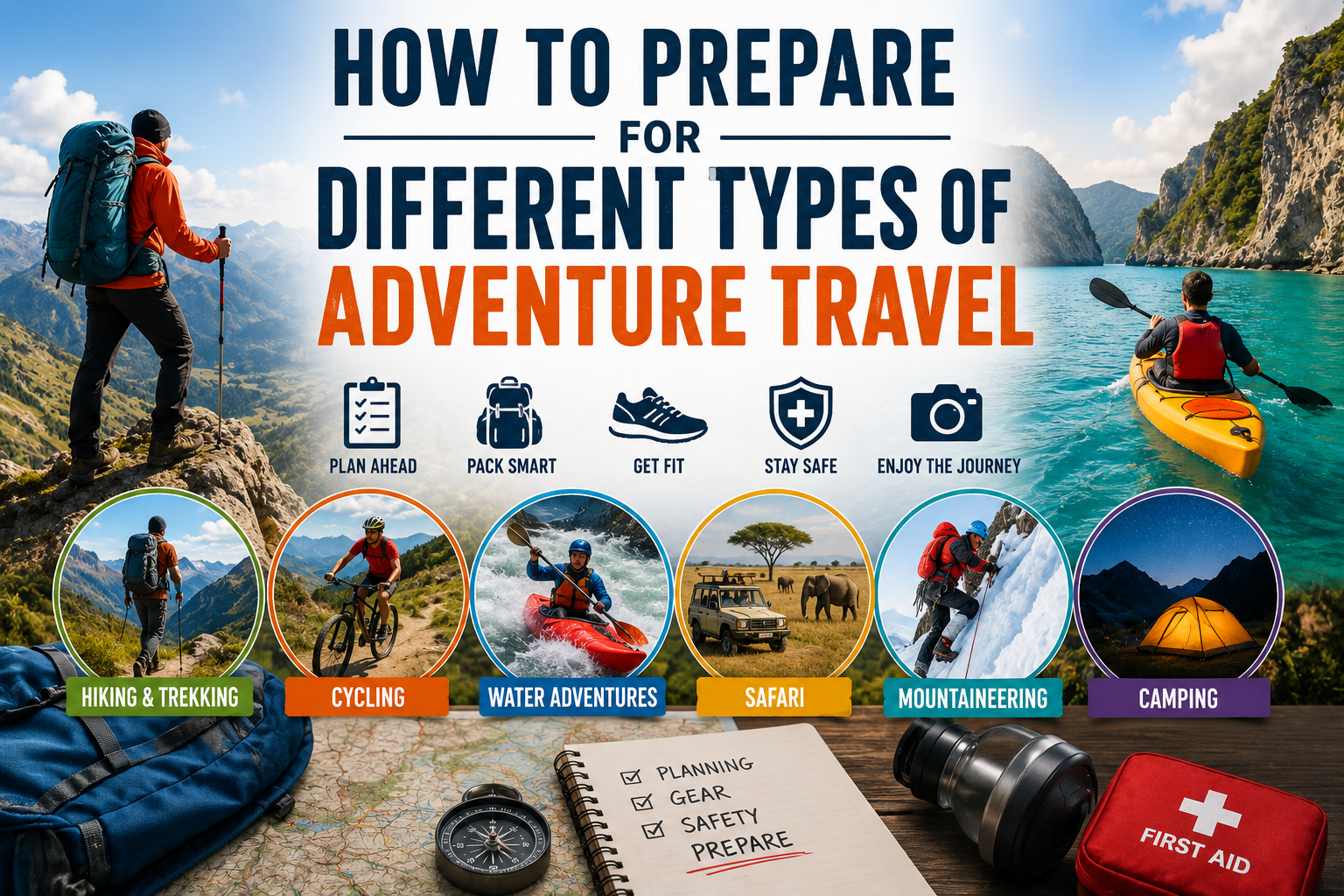
Adventure tourism can produce particularly memorable experiences because it often combines physical activity, uncertainty, challenge, and achievement.
Activities such as:
- Mountain climbing
- Whitewater rafting
- Zip-lining
- Scuba diving
- Surfing
- Paragliding
- Long-distance hiking
- Canyoning
can push travelers beyond their normal routines.
The psychological impact of completing a challenging activity can make the destination more memorable.
However, adventure tourism also requires careful attention to safety. Travelers should consider operator qualifications, equipment, weather conditions, physical requirements, insurance, and emergency procedures before participating.
Relaxation Activities Shape Slower Travel Experiences
Not every memorable trip requires adventure.
Relaxation can be the central purpose of travel for many people.
Activities such as:
- Spa treatments
- Beach walks
- Yoga
- Scenic boat trips
- Reading in peaceful surroundings
- Gardens and nature visits
- Wellness programs
- Leisurely meals
can help travelers disconnect from everyday responsibilities.
These experiences can be particularly valuable in destinations marketed around wellness, nature, beaches, or slower-paced lifestyles.
The key is that activities should support the traveler’s desired pace rather than create another demanding schedule.
Educational Activities Add Meaning to Travel
Travel can also become a form of informal education.
Museums, archaeological sites, science centers, historical tours, wildlife programs, and cultural workshops allow visitors to learn while experiencing a destination.
Educational travel can be especially valuable when information is connected to physical places.
Learning about an ancient civilization while standing among its archaeological remains creates a different experience from reading about the same civilization in a textbook.
Similarly, learning about marine ecosystems before snorkeling can change the way travelers interpret what they see underwater.
Activities Influence How Travelers Spend Money
Travel activities are also an important part of the tourism economy.
Visitors spend money not only on hotels and transportation but also on:
- Tour operators
- Restaurants
- Guides
- Museums
- Attractions
- Local artisans
- Outdoor equipment providers
- Cultural performers
- Transportation providers
- Recreational businesses
When tourism activities are locally owned or employ local workers, more tourism spending can remain within the destination’s economy.
This makes the design of travel experiences important not only for visitors but also for communities.
Local Experiences Can Spread Tourism Benefits
Popular destinations sometimes face heavy visitor concentrations around a small number of attractions.
Activities can help distribute visitors across different neighborhoods, communities, and attractions.
For example, instead of concentrating every visitor around one famous landmark, a destination could offer:
- Neighborhood walking tours
- Local craft experiences
- Rural excursions
- Community markets
- Lesser-known historical sites
- Nature trails
- Regional food experiences
This can help travelers discover more of the destination while potentially spreading tourism revenue more widely.
However, directing tourists to previously quiet areas should be done carefully. Increasing visitation without appropriate infrastructure can simply transfer overcrowding from one location to another.
Activities Influence the Length of a Trip
The number and variety of available activities can influence how long travelers choose to stay.
A destination with several distinct experiences may encourage visitors to spend more days exploring.
For example, a traveler might plan:
Day 1: Historical attractions
Day 2: Food and cultural experiences
Day 3: Nature excursion
Day 4: Local markets and neighborhoods
Day 5: Outdoor adventure
A destination with a broader experience ecosystem can therefore appeal to travelers looking for more than a short sightseeing visit.
Activities Can Create Different Versions of the Same Destination
One of the most interesting aspects of travel is that destinations are not experienced identically by everyone.
Consider a major coastal city.
A family might experience it through beaches, aquariums, parks, and child-friendly attractions.
A food-focused traveler may remember restaurants, markets, and cooking classes.
An architecture enthusiast might focus on historic buildings and design.
A photographer may concentrate on landscapes, streets, and sunrise viewpoints.
A nightlife traveler may experience an entirely different side of the same city.
The destination has not changed. The activities have changed the traveler’s relationship with it.
Travel Activities Can Strengthen Social Connections
Many activities are inherently social.
Group tours, cooking classes, hiking excursions, language exchanges, sporting activities, and cultural workshops create opportunities for travelers to interact with other people.
These interactions can become an important part of the trip.
Travelers may meet:
- Local residents
- Guides
- Other tourists
- Artists
- Business owners
- Researchers
- Outdoor instructors
- Community organizers
For solo travelers in particular, structured activities can provide opportunities to meet people while reducing some of the isolation that can accompany independent travel.
The Role of Guided Experiences
Guides can significantly influence how travelers interpret a destination.
A knowledgeable guide can provide context that visitors might not discover independently.
For example, a historic building may look impressive on its own, but a guide can explain:
- Why it was constructed
- Who used it
- What historical events occurred there
- How it influenced the surrounding community
- What details visitors might otherwise miss
The quality of the guide matters.
Good guides do more than recite facts. They provide context, answer questions, adapt to the group, and help travelers understand the relationship between individual attractions and the wider destination.
Technology Is Changing Travel Activities
Technology has transformed how people discover and participate in destination experiences.
Travelers can now use smartphones and digital services to:
- Find local activities
- Book tours
- Navigate unfamiliar areas
- Translate languages
- Read reviews
- Discover restaurants
- Access audio guides
- Learn about landmarks
- Share experiences instantly
Augmented and virtual reality can also provide additional ways to interpret historical and cultural sites.
However, technology can sometimes distract travelers from the physical environment.
Constantly documenting a trip can reduce attention to the experience itself. The challenge is to use technology as a tool without allowing it to become the focus of the journey.
Responsible Activities Protect Destinations
Not every activity is beneficial simply because it attracts tourists.
Tourism can place pressure on:
- Wildlife
- Water resources
- Natural habitats
- Historic structures
- Local communities
- Waste-management systems
Responsible travel activities should consider their environmental and social impact.
Travelers can ask questions such as:
- Does this activity respect local wildlife?
- Are animals being treated appropriately?
- Does the operator employ local people?
- Does the activity damage natural habitats?
- Are local cultural traditions being respected?
- Is the group size appropriate?
- Does the experience contribute to conservation?
Small decisions made by travelers can influence which tourism businesses continue to operate.
Choosing Activities Based on Travel Goals
The best activity is not necessarily the most popular one.
Travelers should first consider what they want from the trip.
For Cultural Discovery
Prioritize:
- Museums
- Historical tours
- Cultural performances
- Local markets
- Craft workshops
- Food experiences
For Adventure
Consider:
- Hiking
- Diving
- Rafting
- Cycling
- Climbing
- Water sports
For Relaxation
Look for:
- Beaches
- Wellness experiences
- Gardens
- Scenic excursions
- Leisurely dining
For Families
Consider:
- Interactive museums
- Wildlife attractions
- Parks
- Educational experiences
- Easy outdoor activities
For Nature Lovers
Prioritize:
- National parks
- Wildlife viewing
- Hiking
- Birdwatching
- Botanical gardens
- Conservation experiences
Matching activities to personal interests can produce a much more satisfying trip than simply following a generic list of attractions.
Avoid Overplanning Every Moment
Having too many activities can undermine the experience they are intended to create.
An itinerary packed from early morning until late at night can leave travelers exhausted and unable to appreciate their surroundings.
Leaving some unplanned time allows visitors to:
- Explore unexpected places
- Rest
- Return to favorite locations
- Talk with locals
- Discover restaurants spontaneously
- Adapt to weather
- Simply observe daily life
A good travel itinerary balances structure with flexibility.
Accessibility Should Be Part of Destination Experiences
Travel activities should also be designed with different abilities and needs in mind.
Accessibility can involve:
- Step-free access
- Accessible transportation
- Appropriate restroom facilities
- Clear information
- Sensory considerations
- Seating options
- Accessible trails
- Assistance for travelers with disabilities
Accessible tourism benefits not only people with permanent disabilities but also older travelers, families with young children, people recovering from injuries, and others with temporary mobility limitations.
When destinations make activities more accessible, more people can participate in their experiences.
How Activities Shape Travel Memories
People often remember emotional experiences more strongly than individual logistical details.
A traveler may forget the exact name of a hotel but remember watching a sunset from a mountain trail.
They may forget a taxi journey but remember learning to prepare a local dish.
They may forget the layout of a museum but remember the story told by a guide.
Activities create these emotional anchors because they involve participation rather than passive observation.
That is why meaningful travel often depends less on how many attractions someone visits and more on the quality of the experiences they have.
Building Better Destination Experiences
Travel activities are much more than additions to an itinerary. They are one of the main ways travelers connect with places.
The strongest experiences combine place, people, activity, and meaning. A local meal can introduce a destination’s history. A hike can reveal its landscape. A museum can explain its past. A conversation can provide insight into everyday life.
For destinations, the challenge is to create experiences that are engaging without damaging the environment or reducing local culture to a product.
For travelers, the opportunity is to choose activities that match their interests, allow room for discovery, and create genuine connections with the places they visit.
Ultimately, a destination becomes memorable not simply because of where it is, but because of what travelers are able to experience there.


2 Comments
Micle harison
June 7, 2019Lorem ipsum dolor sit amet, usu ut perfecto postulant deterruisset, libris causae volutpat at est, ius id modus laoreet urbanitas. Mel ei delenit dolores.
John Doe
June 7, 2019Some consultants are employed indirectly by the client via a consultancy staffing company.