
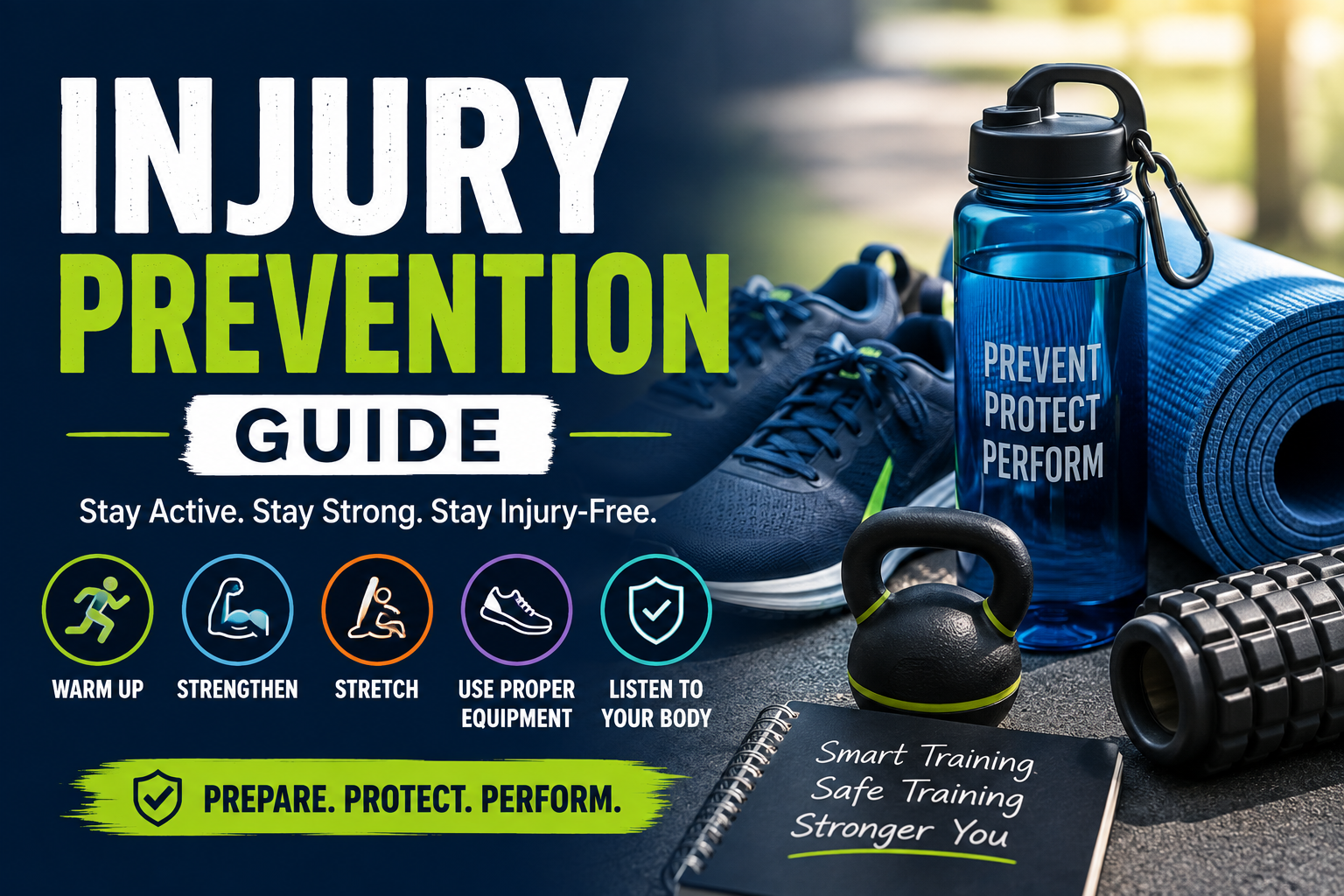
Injury Prevention Guide
Whether you’re a professional athlete, a weekend runner, or someone who enjoys staying active, preventing injuries is one of the most important aspects of maintaining long-term health and performance. While sports and physical activity offer countless benefits—including improved fitness, stronger muscles, better mental health, and reduced risk of chronic disease—they also carry the possibility of strains, sprains, fractures, and overuse injuries.
The good news is that many sports-related injuries are preventable. Proper training, good technique, appropriate equipment, and adequate recovery can significantly reduce the risk of injury while helping individuals perform at their best.
This guide explains what injury prevention is, why it matters, common sports injuries, and practical strategies for staying active safely.
What Is Injury Prevention?
Injury prevention refers to the practices and strategies used to reduce the likelihood of physical injuries during sports, exercise, work, or everyday activities.
It focuses on:
- Improving movement
- Strengthening muscles
- Increasing flexibility
- Enhancing balance
- Using proper technique
- Managing training loads
- Supporting recovery
- Reducing risk factors
The goal is to help people remain active while minimizing unnecessary injuries.
Why Injury Prevention Matters
Preventing injuries allows individuals to enjoy consistent physical activity while reducing time away from sports or exercise.
Benefits include:
- Better athletic performance
- Faster recovery between workouts
- Lower medical costs
- Reduced risk of chronic injuries
- Greater confidence during exercise
- Improved mobility
- Longer participation in sports
- Better overall health
Consistent injury prevention supports both short-term performance and long-term physical well-being.
Common Sports Injuries
Sports injuries can affect muscles, joints, bones, ligaments, and tendons.
Common injuries include:
- Muscle strains
- Ligament sprains
- Tendonitis
- Stress fractures
- Shin splints
- Dislocations
- Knee injuries
- Shoulder injuries
- Ankle sprains
- Concussions
Recognizing early symptoms can help prevent minor issues from becoming more serious.
Warm Up Before Activity
A proper warm-up prepares the body for exercise by gradually increasing heart rate, circulation, and muscle temperature.
An effective warm-up may include:
- Light jogging
- Brisk walking
- Dynamic stretching
- Arm circles
- Leg swings
- Bodyweight squats
- Lunges
- Sport-specific movements
Warming up helps improve flexibility, coordination, and muscle readiness.
Don’t Skip the Cool-Down
Cooling down after exercise allows the body to return gradually to its resting state.
A cool-down may include:
- Slow walking
- Gentle cycling
- Static stretching
- Deep breathing
- Foam rolling
- Hydration
Cooling down can reduce muscle stiffness and support recovery.
Strength Training
Strong muscles provide better support for joints and help improve overall movement.
A balanced strength program should target:
- Legs
- Core
- Back
- Chest
- Shoulders
- Arms
- Hips
- Stabilizing muscles
Building strength improves stability and reduces injury risk during physical activity.
Improve Flexibility and Mobility
Good flexibility allows joints to move through their full range of motion.
Helpful activities include:
- Stretching
- Yoga
- Pilates
- Mobility drills
- Foam rolling
Regular mobility work can improve posture, movement efficiency, and overall athletic performance.
Use Proper Technique
Incorrect movement patterns increase stress on muscles and joints.
Learning proper technique for:
- Running
- Lifting weights
- Jumping
- Throwing
- Swimming
- Cycling
- Racquet sports
- Team sports
helps reduce unnecessary strain and improves performance.
Working with qualified coaches or trainers can help identify and correct poor movement habits.
Wear Appropriate Equipment
The right equipment helps reduce injury risk.
Examples include:
- Proper athletic shoes
- Helmets
- Mouthguards
- Shin guards
- Protective eyewear
- Supportive braces when recommended
- Sport-specific clothing
- Well-maintained equipment
Equipment should fit correctly and be appropriate for the activity.
Avoid Overtraining
Training too intensely without sufficient recovery increases injury risk.
Warning signs of overtraining include:
- Persistent fatigue
- Declining performance
- Muscle soreness
- Poor sleep
- Mood changes
- Frequent illness
- Loss of motivation
- Increased injuries
Balancing exercise with adequate rest supports long-term progress.
Prioritize Recovery
Recovery is an essential part of every training program.
Healthy recovery habits include:
- Getting enough sleep
- Staying hydrated
- Eating nutritious meals
- Rest days
- Active recovery sessions
- Stretching
- Massage or foam rolling
- Stress management
Recovery allows muscles and connective tissues to repair and adapt.
Stay Hydrated
Proper hydration supports muscle function and body temperature regulation.
Drink fluids:
- Before exercise
- During activity
- After workouts
- Throughout the day
Hydration needs vary depending on exercise intensity, climate, and individual health.
Eat for Performance
Nutrition provides the energy and nutrients needed for training and recovery.
A balanced sports diet typically includes:
- Lean protein
- Whole grains
- Fruits
- Vegetables
- Healthy fats
- Dairy or fortified alternatives
- Plenty of water
Proper nutrition supports muscle repair, energy production, and overall health.
Listen to Your Body
Pain should not be ignored.
Stop exercising and seek appropriate evaluation if you experience:
- Sharp pain
- Significant swelling
- Joint instability
- Loss of movement
- Persistent discomfort
- Dizziness
- Difficulty bearing weight
Early attention may prevent more serious injuries.
Injury Prevention for Young Athletes
Children and teenagers benefit from age-appropriate training and supervision.
Helpful practices include:
- Learning proper technique
- Limiting overuse
- Taking rest days
- Playing multiple sports
- Wearing protective equipment
- Staying hydrated
- Reporting pain early
- Following qualified coaching guidance
Developing healthy habits early supports lifelong physical activity.
Common Injury Prevention Myths
Several misconceptions can increase injury risk.
Myth: Stretching Alone Prevents Injuries
Stretching is beneficial, but strength, proper technique, recovery, and conditioning are equally important.
Myth: Pain Is a Sign of Progress
Pain can indicate injury. While exercise may cause temporary muscle fatigue, persistent or severe pain should not be ignored.
Myth: Only Professional Athletes Need Injury Prevention
Everyone who participates in physical activity can benefit from injury prevention strategies.
Myth: More Training Always Leads to Better Results
Excessive training without recovery increases the likelihood of injury and may reduce performance.
Tips for Long-Term Injury Prevention
Build safe exercise habits by:
- Warming up before activity.
- Cooling down afterward.
- Increasing training gradually.
- Wearing appropriate equipment.
- Staying hydrated.
- Prioritizing sleep and recovery.
- Maintaining good nutrition.
- Practicing proper technique.
- Taking rest days.
- Listening to your body’s warning signs.
Consistency is the key to staying healthy and active.
The Future of Injury Prevention
Technology continues improving sports safety and performance.
Emerging developments include:
- Wearable fitness trackers
- AI-powered movement analysis
- Smart rehabilitation devices
- Motion capture technology
- Personalized training programs
- Injury prediction analytics
- Advanced protective equipment
- Recovery monitoring tools
These innovations are helping athletes and recreational exercisers train more safely while optimizing performance.
Final Thoughts
Injury prevention is an essential part of maintaining an active and healthy lifestyle. By combining proper warm-ups, strength training, flexibility, good technique, appropriate equipment, and adequate recovery, individuals can significantly reduce their risk of injury while improving overall performance.
Whether you’re participating in competitive sports or simply exercising for better health, making injury prevention a regular part of your routine helps you stay active, recover more effectively, and enjoy physical activity for years to come.





2 Comments
Micle harison
June 7, 2019Lorem ipsum dolor sit amet, usu ut perfecto postulant deterruisset, libris causae volutpat at est, ius id modus laoreet urbanitas. Mel ei delenit dolores.
John Doe
June 7, 2019Some consultants are employed indirectly by the client via a consultancy staffing company.