
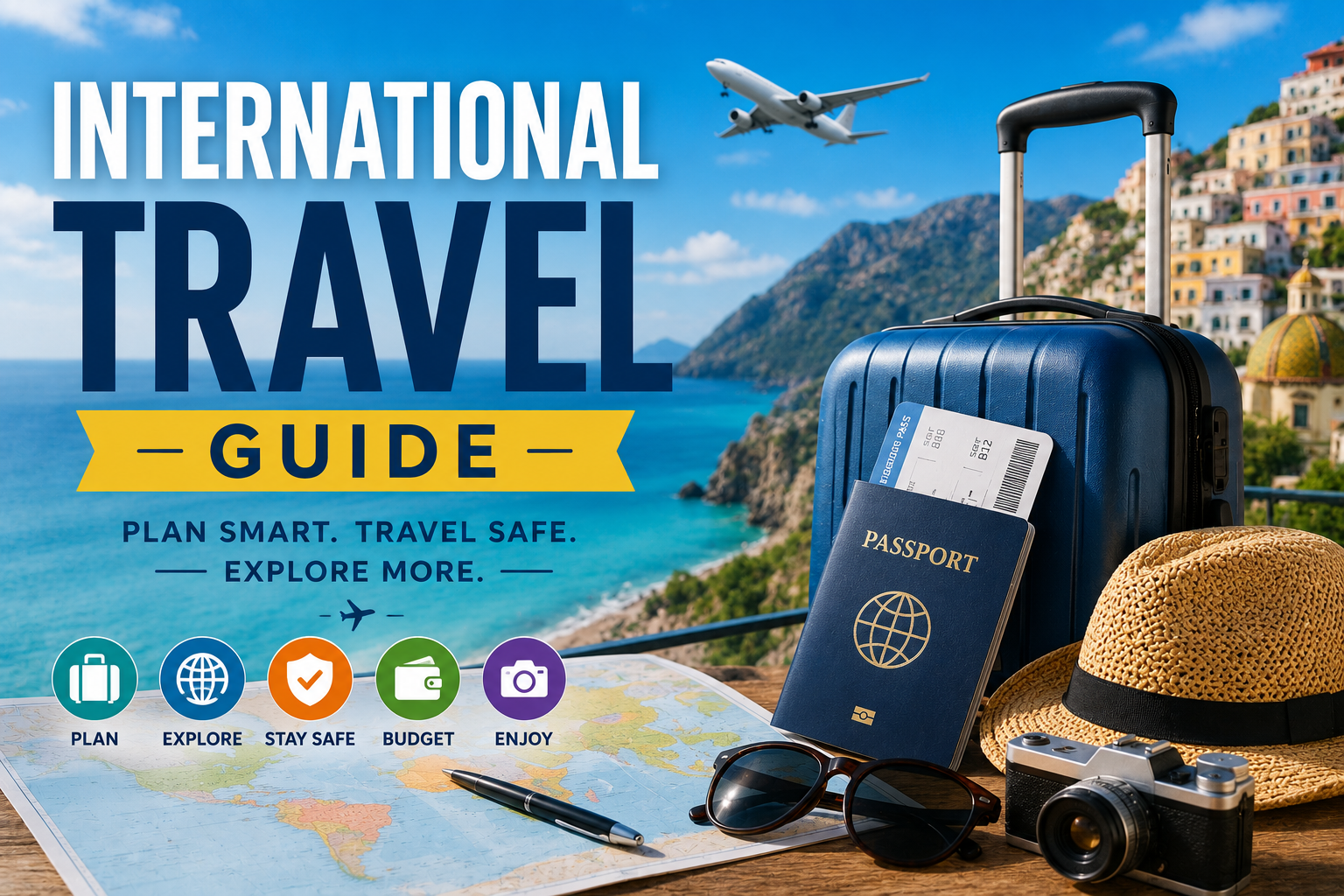
International Travel Guide
Traveling internationally offers opportunities to experience new cultures, explore breathtaking destinations, taste diverse cuisines, and create unforgettable memories. Whether you’re planning your first trip abroad or are an experienced traveler, successful international travel requires thoughtful preparation, from obtaining the right travel documents to understanding local customs and staying safe throughout your journey.
While modern transportation has made global travel more accessible than ever, every destination has its own entry requirements, cultural expectations, health considerations, and practical challenges. Being well-prepared can help reduce stress and allow you to focus on enjoying the experience.
This guide explains the essentials of international travel, including planning, documentation, budgeting, safety, packing, transportation, and responsible tourism.
What Is International Travel?
International travel involves visiting a country other than your own for purposes such as tourism, business, education, family visits, or cultural exchange.
Unlike domestic travel, international trips often require additional planning, including passports, visas, customs procedures, foreign currencies, travel insurance, and understanding local laws and regulations.
Careful preparation helps ensure a smoother and more enjoyable journey.
Why International Travel Matters
Traveling abroad provides benefits that extend beyond sightseeing.
International travel can:
- Expand cultural understanding
- Encourage personal growth
- Build confidence
- Create lifelong memories
- Support local economies
- Improve communication skills
- Foster global connections
- Inspire creativity
- Provide educational experiences
- Encourage appreciation for different cultures
Many travelers return home with new perspectives that enrich both their personal and professional lives.
Planning Your Trip
Successful international travel begins long before departure.
Consider planning:
- Destination
- Travel dates
- Budget
- Accommodation
- Transportation
- Activities
- Entry requirements
- Weather conditions
- Local holidays
- Emergency contacts
Booking major travel arrangements in advance often provides more choices and potentially lower costs.
Essential Travel Documents
Before leaving, verify that all required documents are valid.
Common travel documents include:
Passport
Most countries require visitors to have a passport valid for several months beyond their planned departure date.
Visa
Some destinations require travelers to obtain a visa before arrival, while others offer visa-free or visa-on-arrival entry depending on nationality.
Travel Insurance
Travel insurance may provide coverage for medical emergencies, trip cancellations, delayed baggage, and other unexpected events.
Identification
Carry both physical and digital copies of important identification documents in case originals are lost.
Budgeting for International Travel
Creating a realistic budget helps avoid unnecessary financial stress.
Typical travel expenses include:
- Flights
- Hotels
- Transportation
- Meals
- Attractions
- Shopping
- Travel insurance
- Visa fees
- Currency exchange
- Emergency funds
Tracking expenses during the trip can help keep spending within budget.
Booking Flights
When choosing international flights, consider more than just ticket price.
Important factors include:
- Flight duration
- Layovers
- Airline reputation
- Baggage allowances
- Airport locations
- Refund policies
- Schedule flexibility
Comparing multiple options often helps travelers find the best balance between cost and convenience.
Choosing Accommodation
Accommodation options vary widely depending on destination and travel style.
Popular choices include:
- Hotels
- Resorts
- Vacation rentals
- Hostels
- Guesthouses
- Boutique hotels
- Eco-lodges
- Bed and breakfasts
Location, safety, transportation access, and guest reviews should all be considered before booking.
Packing Smart
Packing efficiently can make international travel much more comfortable.
Essential items often include:
- Passport
- Travel documents
- Chargers
- Universal power adapter
- Comfortable clothing
- Medications
- Toiletries
- Reusable water bottle
- Travel-sized first aid kit
- Weather-appropriate clothing
Packing light can make moving between destinations easier while reducing baggage fees.
Understanding Local Customs
Every country has its own traditions, etiquette, and cultural expectations.
Learning about local customs may include understanding:
- Greetings
- Dress codes
- Dining etiquette
- Religious practices
- Photography rules
- Public behavior
- Tipping customs
- Gift-giving traditions
Showing respect for local culture often leads to more meaningful travel experiences.
Currency and Payments
Understanding how payments work at your destination helps avoid unnecessary complications.
Travelers should consider:
- Local currency
- Exchange rates
- Credit card acceptance
- ATM availability
- Mobile payment systems
- Cash requirements
- Foreign transaction fees
Carrying multiple payment options can provide additional flexibility.
Transportation Abroad
International travelers often use a variety of transportation methods.
These may include:
- Public transit
- Trains
- Rental cars
- Ride-sharing services
- Taxis
- Ferries
- Domestic flights
- Bicycles
- Walking
Researching transportation options before arrival can save time and reduce confusion.
Staying Safe While Traveling
Safety should remain a priority throughout every trip.
Helpful travel safety practices include:
- Keep valuables secure.
- Stay aware of your surroundings.
- Use reputable transportation providers.
- Share your itinerary with trusted contacts.
- Follow local laws and regulations.
- Avoid displaying large amounts of cash.
- Secure important documents.
- Be cautious with public Wi-Fi.
- Know local emergency numbers.
- Follow official travel advisories when planning.
Preparation and awareness significantly reduce many common travel risks.
Health Considerations
Depending on the destination, travelers may need to prepare for different health conditions.
Preparation may include:
- Routine medical checkups
- Recommended vaccinations
- Prescription medications
- Safe drinking water practices
- Sun protection
- Insect bite prevention
- Travel medical insurance
- Basic first aid supplies
Consulting healthcare professionals before international travel can help address destination-specific health recommendations.
Responsible Tourism
Responsible travelers aim to minimize negative impacts while supporting local communities.
Good practices include:
- Respect wildlife
- Reduce plastic waste
- Support local businesses
- Follow park regulations
- Respect cultural heritage sites
- Conserve water
- Dispose of waste properly
- Choose sustainable transportation when practical
Responsible tourism helps preserve destinations for future generations.
Common International Travel Mistakes
Even experienced travelers occasionally make avoidable mistakes.
Common examples include:
- Waiting too long to renew a passport
- Forgetting visa requirements
- Overpacking
- Ignoring local customs
- Underestimating travel costs
- Not purchasing travel insurance
- Failing to notify banks about international travel
- Relying on a single payment method
- Arriving without offline maps
- Skipping emergency planning
Avoiding these issues often leads to a smoother travel experience.
Technology for Modern Travelers
Digital tools have transformed international travel.
Helpful technologies include:
- Airline mobile apps
- Translation apps
- Navigation apps
- Currency converters
- Digital boarding passes
- Offline maps
- Hotel booking platforms
- Expense tracking apps
- Cloud document storage
- Travel itinerary organizers
Using these tools can simplify planning and navigation throughout the journey.
The Future of International Travel
Travel continues to evolve alongside technology and changing traveler expectations.
Emerging trends include:
- Biometric airport screening
- Digital travel credentials
- AI-powered travel planning
- Sustainable tourism initiatives
- Contactless payments
- Smart luggage
- Personalized travel recommendations
- Eco-friendly accommodations
These innovations aim to improve convenience while enhancing the overall travel experience.
Final Thoughts
International travel offers opportunities to discover new places, experience diverse cultures, and gain perspectives that extend far beyond sightseeing. With thoughtful planning, proper documentation, responsible budgeting, and respect for local customs, travelers can enjoy safer, smoother, and more rewarding journeys.
Whether you’re exploring historic cities, relaxing on tropical beaches, hiking through mountain landscapes, or experiencing vibrant local traditions, preparation is one of the most valuable travel companions. By approaching international travel with curiosity, flexibility, and respect, every trip can become an enriching experience that creates lasting memories and broadens your understanding of the world.




2 Comments
Micle harison
June 7, 2019Lorem ipsum dolor sit amet, usu ut perfecto postulant deterruisset, libris causae volutpat at est, ius id modus laoreet urbanitas. Mel ei delenit dolores.
John Doe
June 7, 2019Some consultants are employed indirectly by the client via a consultancy staffing company.