
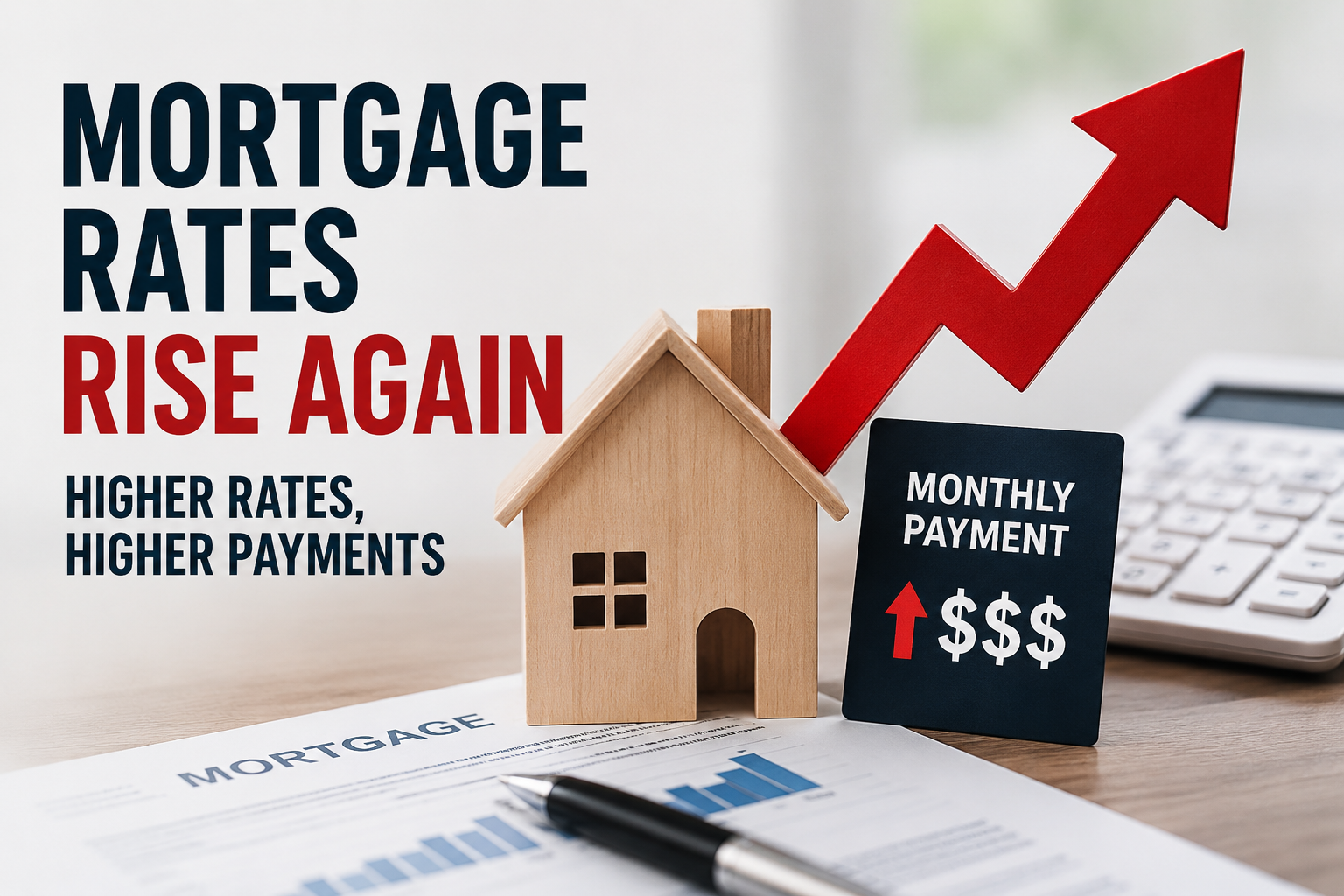
Mortgage Rates Rise Again as Homebuyers Face Higher Monthly Payments
Mortgage rates are climbing again, adding another layer of pressure for Americans who are already dealing with elevated home prices and tight household budgets.
For prospective buyers, even a relatively small increase in mortgage rates can translate into a noticeably higher monthly payment. That can affect how much house a buyer can afford, how much cash is left over for other expenses and whether purchasing a home makes financial sense compared with continuing to rent.
The latest increase also highlights a broader challenge in the housing market: buyers are having to navigate the combined effects of borrowing costs, home prices, property taxes, insurance and other expenses rather than focusing on the mortgage rate alone.
Why Higher Mortgage Rates Matter
Mortgage rates directly influence the cost of borrowing. When rates rise, buyers generally pay more interest over the life of a loan and face higher monthly principal-and-interest payments.
Consider a buyer taking out a $400,000 30-year fixed-rate mortgage. At a 6% interest rate, the monthly principal and interest payment is roughly $2,398. At 6.5%, it rises to about $2,528.
That difference is approximately $130 a month, or more than $1,500 a year, before accounting for property taxes, homeowners insurance, mortgage insurance or homeowners association fees.
For households working with a strict budget, that additional cost can be significant.
Higher Rates Can Reduce Buying Power
One of the biggest effects of rising mortgage rates is that they can reduce a buyer’s purchasing power.
A household that qualifies for a certain monthly payment may have been able to afford a more expensive home when mortgage rates were lower. Once rates increase, the same monthly budget supports a smaller loan.
This creates a difficult situation for buyers because home prices do not necessarily fall when mortgage rates rise. In some markets, prices can remain elevated because the supply of available homes is limited.
As a result, buyers can face two competing pressures:
- Higher mortgage rates increase monthly borrowing costs.
- High home prices require buyers to borrow more in the first place.
- Limited housing inventory can keep prices from falling substantially.
- Higher insurance and property taxes add to the total monthly cost of ownership.
- Household expenses leave buyers with less room to absorb higher payments.
The result is that affordability can deteriorate even without a dramatic move in mortgage rates.
The Monthly Payment Is Only Part of the Cost
Homebuyers should be careful not to evaluate affordability based solely on the advertised mortgage payment.
A typical homeowner’s monthly housing cost can include:
- Principal and interest
- Property taxes
- Homeowners insurance
- Mortgage insurance, if applicable
- Homeowners association fees
- Maintenance and repairs
- Utilities and other property-related expenses
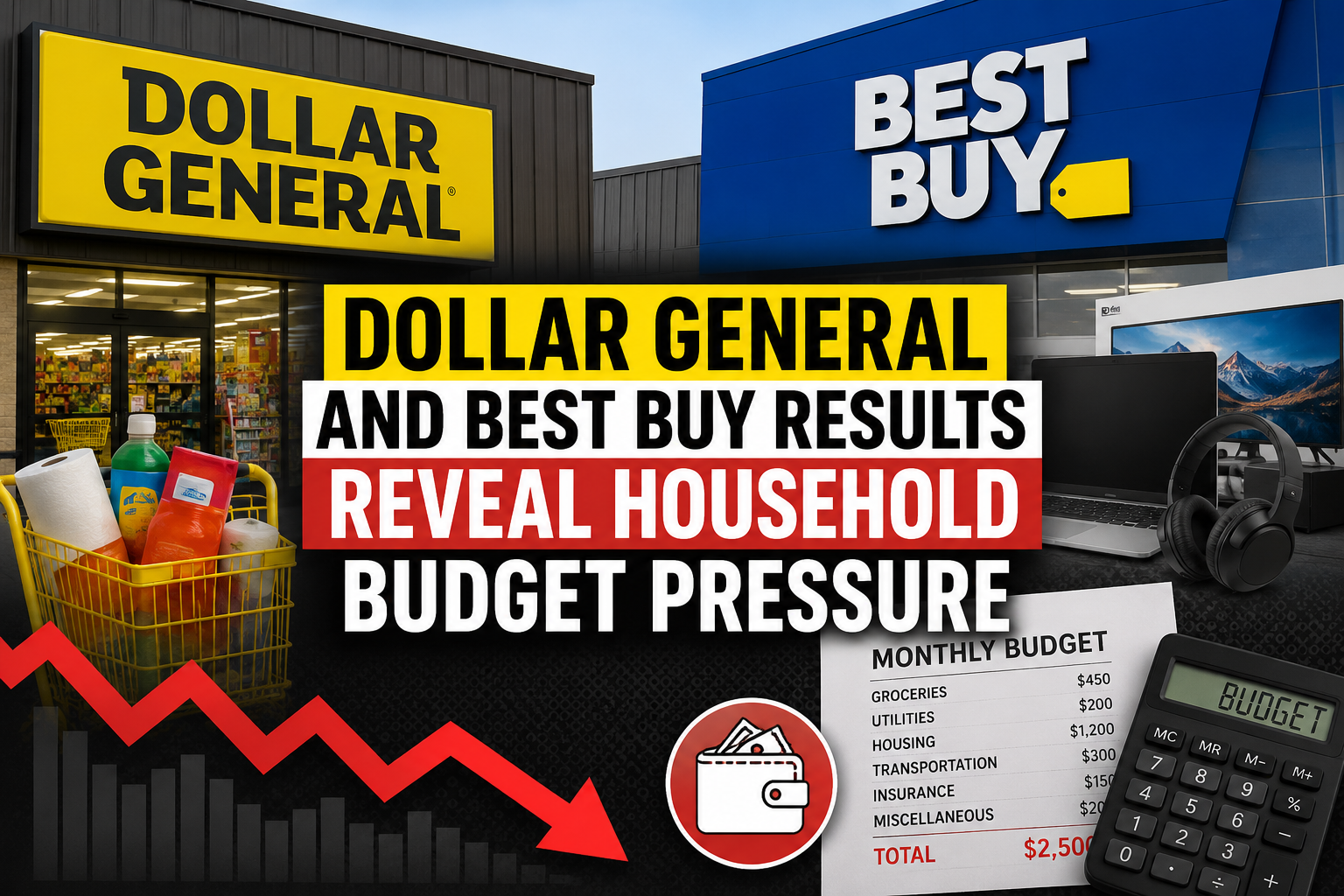
For example, a mortgage payment that appears manageable on its own can become considerably more expensive once taxes and insurance are included.
This is particularly important in areas where homeowners insurance premiums have increased rapidly or where property taxes are relatively high.
Why Mortgage Rates Move
Mortgage rates do not simply move up and down based on the Federal Reserve’s benchmark interest rate.
Long-term mortgage rates are heavily influenced by conditions in the bond market, particularly yields on U.S. government debt. Investors’ expectations for inflation, economic growth, monetary policy and future interest rates can all affect borrowing costs.
When investors expect inflation to remain elevated, for example, longer-term interest rates can rise as markets adjust their expectations.
Economic data can also cause mortgage rates to move quickly. Employment reports, inflation figures, consumer spending data and other indicators can influence expectations about where monetary policy is heading.
That means mortgage rates can rise even during periods when the Federal Reserve is not raising its policy rate.
What Higher Rates Mean for First-Time Buyers
First-time buyers can be especially sensitive to mortgage-rate increases because they often have less flexibility in their budgets.
Many are already trying to save for a down payment while dealing with rent, student loans, car payments and everyday expenses. A higher mortgage payment can make the transition from renting to owning more difficult.
Higher rates may also mean that buyers need to make compromises.
Some may choose a smaller property, look farther from major employment centers or delay purchasing until their finances improve. Others may decide to increase their down payment to reduce the amount they need to borrow.
However, putting more money into a down payment is not automatically the best decision. Buyers should also consider keeping sufficient emergency savings and funds for closing costs, moving expenses and unexpected repairs.
Should Buyers Wait for Mortgage Rates to Fall?
Rising rates naturally encourage buyers to wonder whether it is better to wait.
There is no universal answer.
Waiting could make sense for someone whose current finances do not comfortably support homeownership. Building savings, paying down expensive debt or improving credit may strengthen that buyer’s financial position.
But trying to perfectly time mortgage rates can be risky. Rates could fall, remain elevated or move even higher. Home prices could also change during the same period.
A buyer who purchases a home at a higher rate may potentially refinance later if rates decline significantly. However, refinancing is not guaranteed to be beneficial, and it comes with its own costs and requirements.
The more important question is whether the purchase is affordable at today’s payment, rather than whether rates might become more favorable later.
Buyers Have More Options Than Simply Paying the Asking Price
Higher mortgage rates can make negotiating more important.
Depending on local market conditions, buyers may be able to negotiate the purchase price, request seller concessions or explore arrangements that reduce their upfront or ongoing costs.
Some sellers may also be more willing to negotiate when financing conditions weaken demand.
Buyers should compare the total cost of different offers, rather than focusing on a single number. A slightly lower purchase price is not necessarily the best deal if another option provides more favorable financing terms or reduces upfront expenses.
Shopping around among multiple mortgage lenders can also be valuable. Even small differences in interest rates, lender fees and loan terms can affect the total cost of borrowing.
Credit Scores Become Even More Important
When mortgage rates are already high, borrowers have a greater incentive to secure the most competitive rate available to them.
Credit history is one factor lenders consider when determining mortgage pricing and eligibility. A stronger credit profile can potentially improve a borrower’s financing options.
Before applying for a mortgage, prospective buyers may want to review their credit reports, avoid taking on unnecessary new debt and make sure their finances are in good order.
However, buyers should avoid making major financial changes solely to improve a mortgage application without understanding the potential consequences. A mortgage lender or qualified financial professional can help explain how specific financial decisions could affect borrowing options.
The Bigger Question Is Affordability
The latest increase in mortgage rates is another reminder that home affordability depends on much more than the headline rate.
A buyer’s income, debts, savings, credit profile, down payment, property taxes, insurance costs and expected maintenance expenses all contribute to the real cost of owning a home.
For households already stretching to qualify, even a modest rise in rates can push a potential purchase beyond a comfortable budget.
Rather than asking only “What mortgage can I qualify for?”, buyers may be better served by asking “What monthly housing cost can I comfortably afford while still saving, handling emergencies and meeting my other financial goals?”
That distinction can help prevent buyers from becoming house-rich and cash-poor.
What Homebuyers Should Watch Next
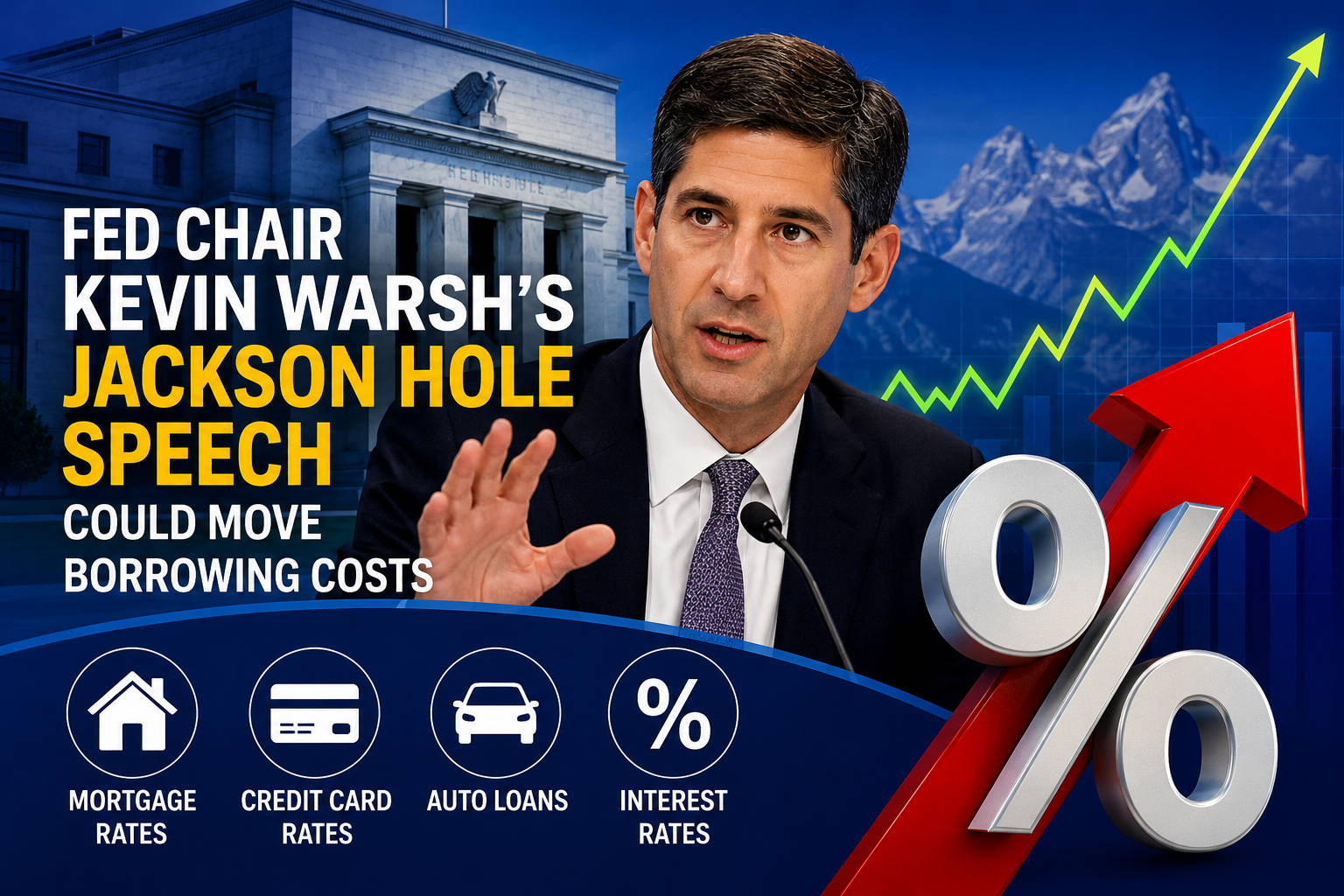
Mortgage rates are likely to remain closely tied to incoming economic data and financial-market expectations. Inflation reports, employment figures, Treasury yields and expectations surrounding Federal Reserve policy could all influence borrowing costs in the weeks and months ahead.
For buyers, the most practical approach may be to focus on the factors they can control.
That means understanding the full monthly cost of a prospective home, comparing lenders, maintaining an adequate financial cushion and avoiding a purchase that only works if mortgage rates eventually fall.
A lower mortgage rate would certainly improve affordability. But for households considering a purchase today, the strongest financial decision is one that remains manageable even if rates stay higher for longer.


2 Comments
Micle harison
June 7, 2019Lorem ipsum dolor sit amet, usu ut perfecto postulant deterruisset, libris causae volutpat at est, ius id modus laoreet urbanitas. Mel ei delenit dolores.
John Doe
June 7, 2019Some consultants are employed indirectly by the client via a consultancy staffing company.