
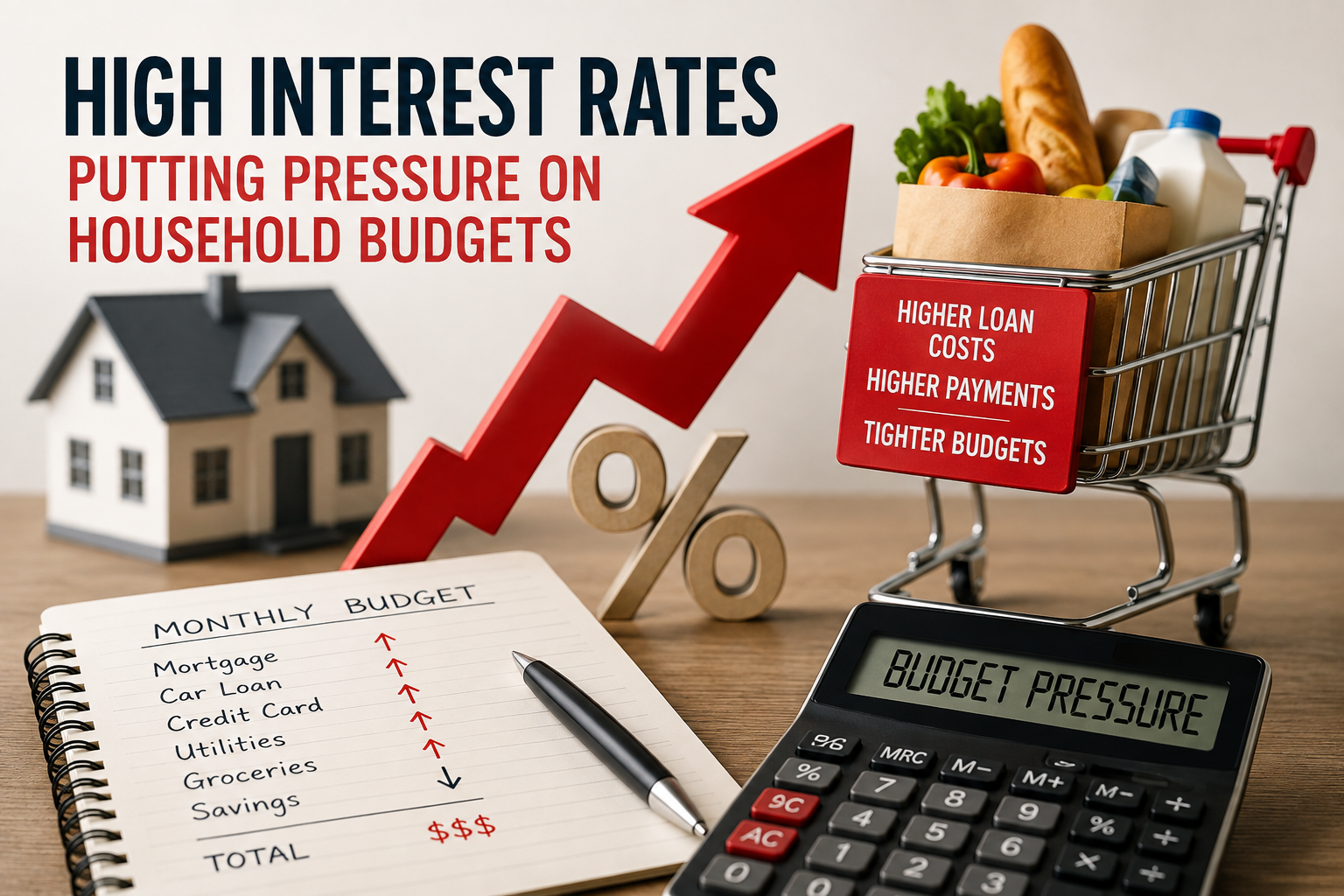
Consumers Feel Pressure as High Interest Rates Affect Household Budgets
For many households, higher interest rates have become one of the defining financial challenges of recent years. While central banks raised borrowing costs to help slow inflation and stabilize economies, the effects continue to ripple through everyday life. From larger mortgage payments and more expensive car loans to higher credit card interest charges, many consumers are finding that their monthly budgets are under increasing pressure.
Although inflation has eased in many regions compared with its recent peaks, borrowing costs remain significantly higher than they were just a few years ago. As a result, families are reassessing spending habits, delaying major purchases, reducing discretionary expenses, and placing greater emphasis on financial planning.
Why Interest Rates Matter
Interest rates influence nearly every aspect of personal finance because they determine the cost of borrowing money and the returns earned on many savings products.
When central banks increase benchmark interest rates, financial institutions often respond by raising rates on:
- Mortgages
- Credit cards
- Personal loans
- Auto loans
- Home equity loans
- Business loans
At the same time, higher rates may also increase returns on:
- High-yield savings accounts
- Certificates of deposit (CDs)
- Money market accounts
- Some government securities
While savers may benefit from improved returns, borrowers often experience higher monthly payments and increased financial strain.
Household Budgets Feel the Pressure
For many families, housing remains the largest monthly expense, making mortgage costs particularly sensitive to interest rate changes. Homebuyers entering the market today often face significantly higher monthly payments than buyers who secured loans during periods of historically low rates.
Consumers with adjustable-rate mortgages may also see payments increase as loan terms reset, while prospective buyers may postpone purchasing homes altogether due to affordability concerns.
Higher borrowing costs extend beyond housing. Auto financing has become more expensive, making new and used vehicle purchases less affordable. Credit card interest rates have also climbed, increasing the cost of carrying balances from month to month.
These higher expenses reduce disposable income, leaving households with less money for dining out, entertainment, travel, and other non-essential purchases.
Consumer Spending Begins to Shift
As budgets tighten, spending priorities often change.
Many households are increasingly focused on:
- Paying down high-interest debt
- Building emergency savings
- Delaying luxury purchases
- Comparing prices more carefully
- Shopping for discounts
- Buying fewer non-essential items
- Extending the lifespan of household products
- Reducing subscription services
Retailers have reported that consumers are becoming more selective, often prioritizing necessities over discretionary spending.
Rising Credit Card Costs
Credit cards have become one of the most expensive forms of consumer borrowing during the current high-rate environment.
Individuals who carry balances from month to month may find themselves paying substantially more in interest charges, making it more difficult to reduce outstanding debt.
Financial advisors generally recommend prioritizing repayment of high-interest debt whenever possible, particularly when interest rates exceed the potential returns available from low-risk investments.
Housing Affordability Remains a Challenge
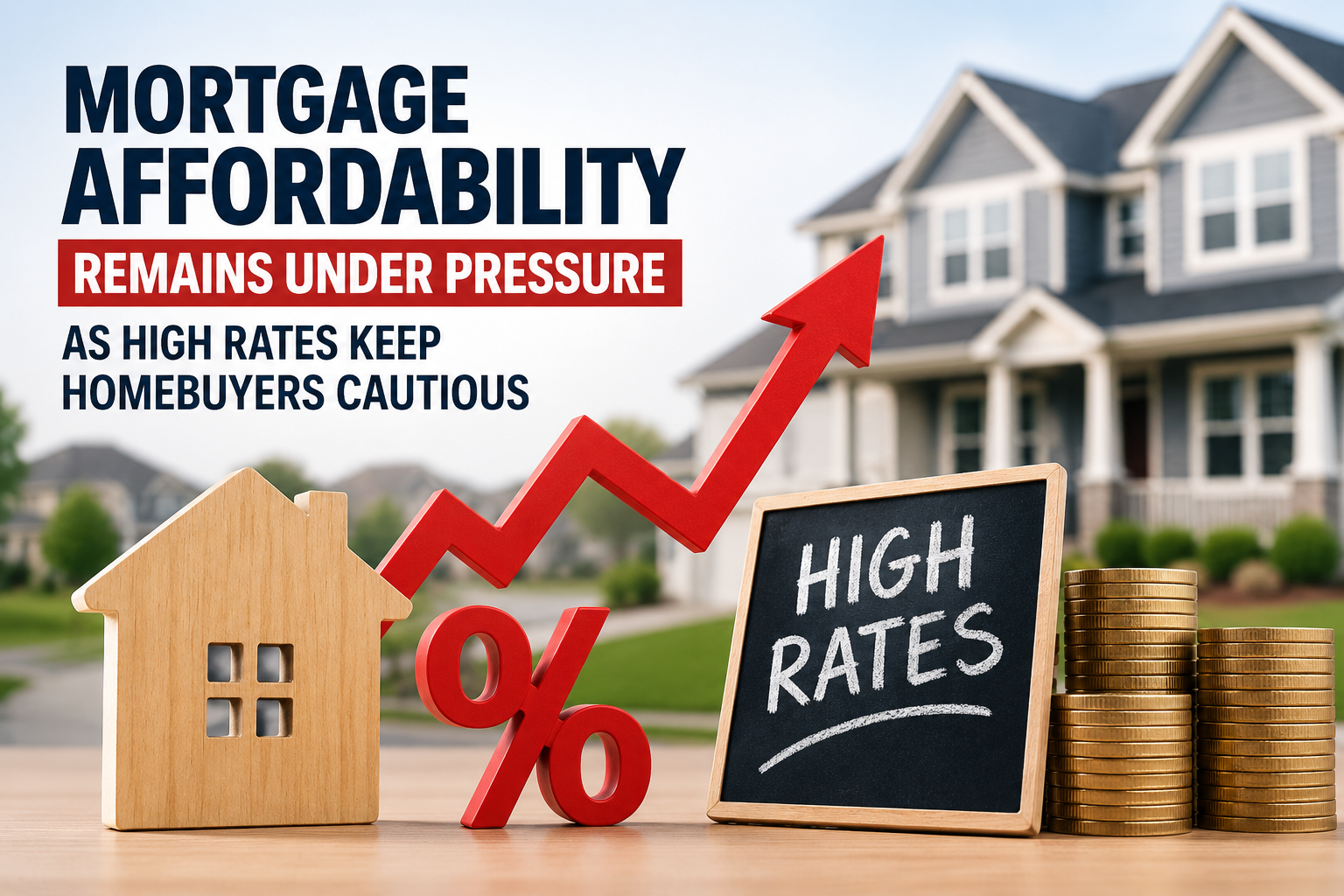
The housing market continues to reflect the impact of elevated interest rates.
Many prospective buyers face:
- Higher monthly mortgage payments
- Larger required household incomes
- Reduced purchasing power
- Limited housing inventory in some markets
- Greater competition for affordable homes
Existing homeowners with low fixed mortgage rates may also choose to remain in their current homes rather than purchasing another property with significantly higher financing costs.
This phenomenon has contributed to slower housing turnover in many regions.
Saving Becomes More Attractive
While borrowers face higher costs, savers have generally benefited from improved interest rates on deposit accounts.
Many financial institutions now offer more competitive returns on:
- Savings accounts
- Certificates of deposit
- Money market accounts
For households with stable finances, higher savings rates may provide an opportunity to strengthen emergency funds or work toward longer-term financial goals.
Inflation Still Influences Household Decisions
Although inflation has moderated in many economies, the cumulative impact of higher prices over recent years continues to affect consumer purchasing power.
Essential expenses such as:
- Groceries
- Utilities
- Insurance
- Healthcare
- Housing
- Transportation
remain elevated compared with historical levels.
Combined with higher borrowing costs, these ongoing expenses continue to challenge many household budgets.
Practical Ways Consumers Are Adapting
Financial planners often recommend several strategies to help households navigate periods of higher interest rates.
These include:
Review Monthly Budgets
Tracking income and expenses can help identify unnecessary spending and improve financial decision-making.
Prioritize High-Interest Debt
Reducing expensive debt may improve long-term financial flexibility and decrease future interest costs.
Build an Emergency Fund
Maintaining savings for unexpected expenses may reduce reliance on credit during financial emergencies.
Compare Financial Products
Shopping around for savings accounts, loans, insurance policies, and credit cards may help consumers find more competitive rates.
Delay Major Purchases When Appropriate
Waiting until financial conditions improve—or until additional savings are available—may reduce long-term borrowing costs.
Focus on Long-Term Financial Planning
Rather than reacting solely to short-term economic changes, maintaining consistent saving, investing, and budgeting habits can support greater financial resilience over time.
What Economists Are Watching
Economic analysts continue monitoring several indicators that could influence future interest rate decisions, including:
- Inflation trends
- Employment data
- Consumer spending
- Wage growth
- Housing market activity
- Business investment
- Economic growth
Future monetary policy decisions will likely depend on how these factors evolve in the coming months.
Looking Ahead
Many economists expect interest rates to remain higher than the unusually low levels seen during the previous decade, even if gradual reductions occur over time. Consumers may therefore continue adjusting financial habits to account for a borrowing environment where credit is more expensive than in recent years.
This shift is encouraging many households to place greater emphasis on budgeting, reducing debt, increasing savings, and making more deliberate purchasing decisions.
Final Thoughts
Higher interest rates continue to influence household finances by increasing borrowing costs, affecting housing affordability, and reshaping consumer spending habits. While these conditions present challenges for many families, they also highlight the importance of sound financial planning, disciplined budgeting, and responsible debt management.
By focusing on long-term financial health—building savings, managing debt wisely, and making informed spending decisions—households can improve their resilience regardless of future economic conditions. Although interest rate cycles eventually change, strong financial habits remain one of the most effective ways to navigate periods of economic uncertainty.


2 Comments
Micle harison
June 7, 2019Lorem ipsum dolor sit amet, usu ut perfecto postulant deterruisset, libris causae volutpat at est, ius id modus laoreet urbanitas. Mel ei delenit dolores.
John Doe
June 7, 2019Some consultants are employed indirectly by the client via a consultancy staffing company.