
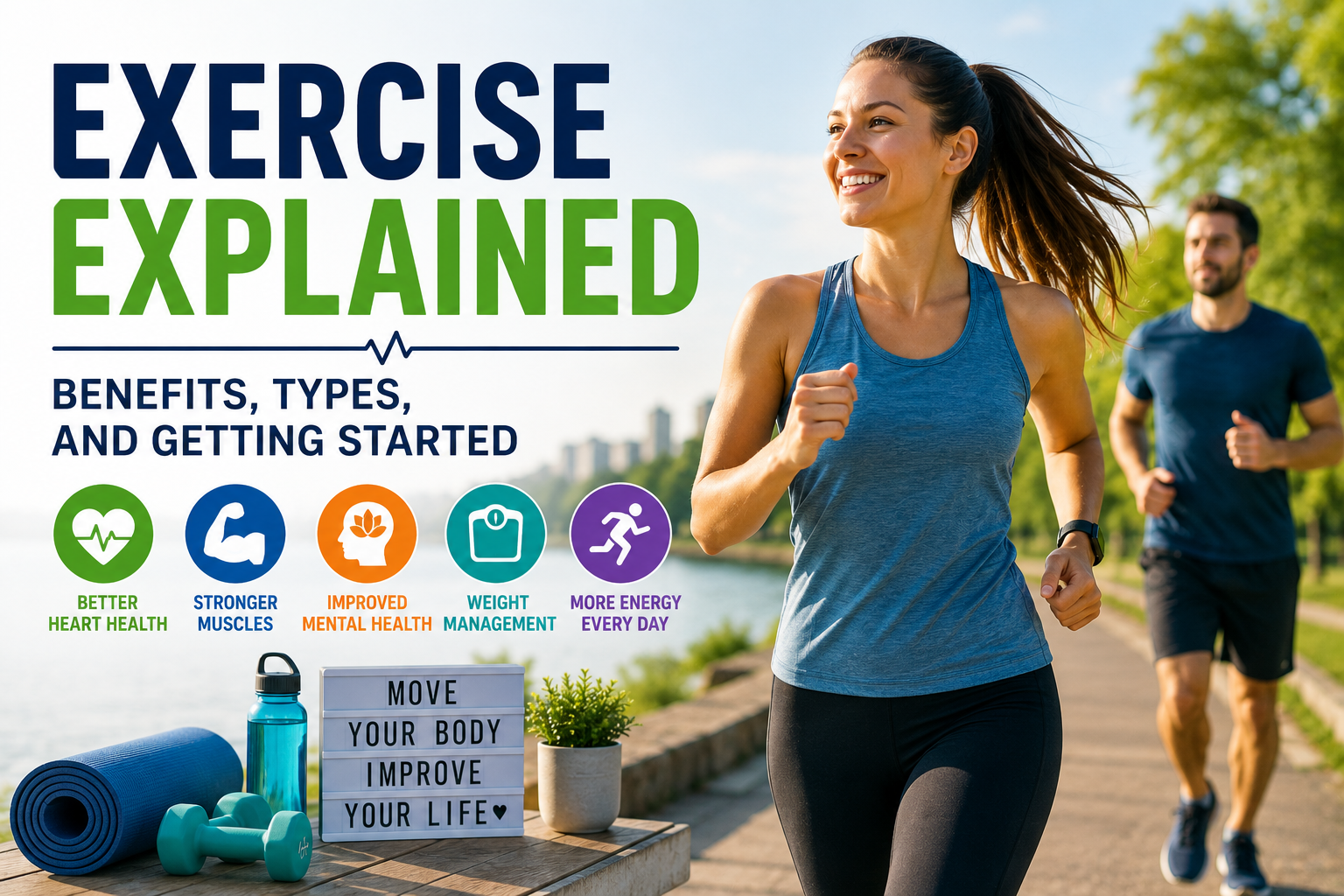
Exercise Explained: Benefits, Types, and Getting Started
Exercise is often presented as something that requires a gym membership, expensive equipment, or hours of free time. In reality, physical activity can take many forms, from walking and cycling to strength training, swimming, dancing, sports, and everyday movement.
Regular physical activity is associated with important physical and mental health benefits. It can help reduce the risk of cardiovascular disease, type 2 diabetes and some cancers while supporting mental health, sleep, mobility and overall well-being.
The key is finding activities that fit your health, schedule, fitness level and interests.
What Is Exercise?
Exercise is a form of physical activity that is planned, structured and performed with the goal of improving or maintaining physical fitness.
Physical activity is a broader term. It includes exercise, but also movement involved in transportation, work, household activities, recreation and daily life. The World Health Organization notes that walking, cycling, sports, active recreation, household chores and other forms of movement can all contribute to physical activity.
This distinction matters because becoming more active does not necessarily mean following an intense workout program. Even relatively simple activities can contribute to a more active lifestyle.
What Are the Main Benefits of Exercise?
The benefits of regular physical activity extend beyond weight management. Consistent movement can support several aspects of health.
Supports Heart Health
Regular physical activity can help reduce the risk of cardiovascular disease and stroke. It can also contribute to healthier blood pressure and overall cardiovascular fitness.
Aerobic activities such as brisk walking, cycling, swimming and dancing can raise the heart rate and improve cardiorespiratory fitness.
Helps Manage Blood Sugar
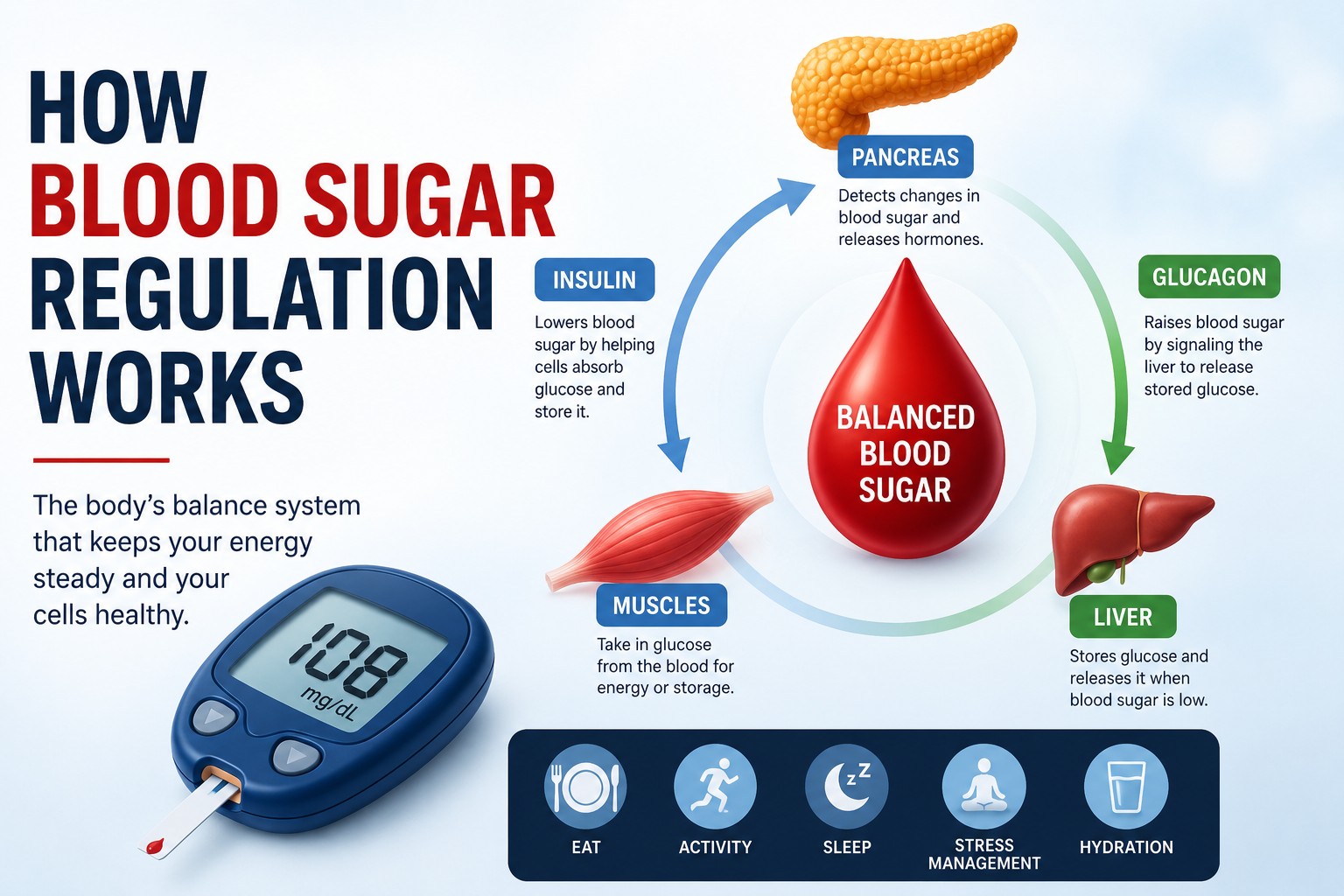
Physical activity can play an important role in preventing and managing type 2 diabetes. Regular movement can improve physical fitness and contribute to healthier metabolic function.
For people managing a health condition, however, exercise plans may need to be adapted to individual circumstances and medical advice.
Supports Mental Well-Being
Exercise is not only about physical fitness. Regular physical activity is associated with better mental health and can help reduce symptoms of anxiety and depression. It may also support cognitive health and overall well-being.
Activities that are enjoyable and socially engaging may provide additional benefits by making movement a sustainable part of everyday life.
Strengthens Muscles and Bones
Resistance and muscle-strengthening activities help maintain and develop muscular strength. Physical activity also contributes to bone health, making strength and weight-bearing activities important components of a balanced fitness routine.
For older adults, activities that incorporate strength and balance can also help support functional ability and reduce the risk of falls.
May Improve Sleep
Regular physical activity is associated with improved sleep and can contribute to better overall well-being.
The relationship between exercise and sleep can vary between individuals, so people should pay attention to how the timing and intensity of workouts affect their own sleep.
Different Types of Exercise Explained
A well-rounded fitness routine can include several different forms of exercise rather than focusing exclusively on one type.
Aerobic Exercise
Aerobic exercise involves continuous movement that challenges the cardiorespiratory system.
Examples include:
- Brisk walking
- Jogging
- Cycling
- Swimming
- Dancing
- Hiking
- Certain sports
Aerobic exercise can range from moderate to vigorous intensity. The appropriate level depends partly on a person’s existing fitness and health.
Strength Training
Strength training uses resistance to challenge muscles.
This can include:
- Bodyweight exercises
- Resistance bands
- Free weights
- Weight machines
- Functional movements
Strength training does not necessarily require a traditional gym. Exercises such as squats, lunges, push-ups and other bodyweight movements can be performed with little or no equipment.
Flexibility Exercises
Flexibility activities involve movements designed to help maintain or improve a joint’s range of motion.
Stretching can be incorporated into a broader exercise routine, although flexibility work serves a different purpose from aerobic conditioning or strength training.
Balance and Functional Exercise
Balance and functional exercises focus on movements that help people maintain stability, coordination and the ability to perform everyday activities.
These forms of exercise can become particularly important as people age. WHO recommends that older adults include varied physical activity emphasizing functional balance and strength.
Everyday Physical Activity
Exercise does not have to happen during a formal workout.
Walking to nearby destinations, taking the stairs, cycling, doing household tasks and participating in active recreation can all contribute to overall physical activity.
For someone who currently spends much of the day sitting, adding more movement throughout the day can be a practical starting point.
How Much Exercise Do Adults Need?
For generally healthy adults aged 18 to 64, WHO recommends at least 150–300 minutes of moderate-intensity aerobic physical activity per week, or 75–150 minutes of vigorous-intensity activity, or an equivalent combination of the two. Adults should also perform muscle-strengthening activities involving the major muscle groups on at least two days each week.
Doing more than the minimum amount can provide additional health benefits.
Importantly, WHO emphasizes that some physical activity is better than none. People who are currently inactive do not need to transform their routines overnight. Building activity gradually can make the change more manageable and sustainable.
How Beginners Can Start Exercising
Starting an exercise routine can seem difficult when you have been inactive for a long time. A simpler approach is to focus on consistency rather than perfection.
Start With Manageable Activities
Walking is an accessible starting point for many people. Begin with a duration and pace that feels manageable, then gradually increase the amount of activity as your fitness improves.
Other options include cycling, swimming, dancing or beginner-friendly strength exercises.
Choose Activities You Enjoy
The best exercise routine is one you are willing to continue.
If you dislike running, there is no requirement to become a runner. Walking, cycling, swimming, dancing, sports and strength training can all contribute to an active lifestyle.
Enjoyment can make it easier to turn exercise from a short-term project into a long-term habit.
Build Gradually
A common mistake is attempting too much too quickly.
Instead, beginners can start with manageable sessions and gradually increase frequency, duration or intensity. This approach gives the body time to adapt and can make exercise feel less overwhelming.
Make Movement Part of Daily Life
Look for opportunities to add movement outside formal workouts.
For example:
- Walk during short breaks.
- Take stairs when practical.
- Walk or cycle for nearby journeys.
- Spend more time doing active hobbies.
- Break up long periods of sitting.
- Choose recreational activities that involve movement.
These small changes can complement structured exercise.
Common Exercise Mistakes to Avoid
A sustainable fitness routine is usually more useful than an extreme one.
Doing Too Much Too Soon
Suddenly increasing workout volume or intensity can make exercise unnecessarily difficult and may increase the likelihood of problems such as excessive soreness or injury.
Progress gradually and give your body adequate time to recover.
Focusing Only on Cardio
Walking or running can be valuable, but a balanced fitness routine should also include muscle-strengthening activity.
WHO recommends muscle-strengthening exercises involving major muscle groups on at least two days each week for adults.
Treating Exercise as a Punishment
Exercise is most sustainable when it is viewed as a way to support health, mobility, strength and quality of life rather than as punishment for eating certain foods or missing a workout.
Ignoring Your Health Status
People with certain medical conditions, disabilities, injuries or other individual health considerations may need exercise modifications.
Pregnant people, older adults and people living with chronic conditions may have specific considerations when planning physical activity. WHO provides recommendations for different populations, but individual circumstances can require professional guidance.
How to Build a Balanced Weekly Routine
A basic exercise plan can combine several forms of movement throughout the week.
For example, a beginner might structure their routine around:
| Activity | Example |
|---|---|
| Aerobic activity | Brisk walking or cycling |
| Strength training | Bodyweight or resistance exercises |
| Flexibility | Gentle stretching |
| Balance | Balance-focused exercises |
| Everyday movement | Walking, stairs and active chores |
The exact schedule can vary depending on fitness level, preferences and health needs.
The goal is not to create a perfect routine. It is to develop a realistic pattern of movement that can be maintained over time.
Can You Exercise Without a Gym?
Absolutely.
A gym can provide useful equipment and structure, but it is not essential for becoming physically active.
A home routine might include bodyweight exercises, resistance bands, walking, stair climbing, dancing or other activities that require little equipment.
Outdoor activities can also make exercise more enjoyable. Walking, hiking, cycling and recreational sports can provide opportunities to stay active while spending time outside.
When Should You Talk to a Healthcare Professional?
Most people can incorporate some form of physical activity into their lives, but exercise plans should be individualized when health conditions or other concerns are involved.
Consider seeking professional advice before significantly changing your exercise routine if you have a medical condition, significant injury, major mobility limitations, or other concerns about exercising safely.
A qualified healthcare or exercise professional can help identify appropriate activities, intensity levels and modifications.
Making Exercise a Long-Term Habit
The biggest challenge for many people is not learning what exercise is. It is continuing to do it.
A sustainable approach may involve setting realistic goals, choosing enjoyable activities and making exercise convenient.
Instead of thinking only about completing a demanding workout, consider how you can make movement a normal part of your day.
A 20-minute walk that you regularly complete may be more valuable to your long-term routine than an ambitious workout plan that you abandon after a few weeks.
Build Fitness Around Your Life
Exercise does not have to look the same for everyone.
For one person, it may mean walking every morning. For another, it could involve strength training, cycling, swimming, recreational sports or a combination of several activities.
What matters is finding safe, enjoyable and sustainable ways to move more regularly.
The evidence is clear that physical activity offers broad health benefits, while inactivity is associated with increased health risks. For beginners, the most important step may simply be the first manageable one—and then continuing from there.




2 Comments
Micle harison
June 7, 2019Lorem ipsum dolor sit amet, usu ut perfecto postulant deterruisset, libris causae volutpat at est, ius id modus laoreet urbanitas. Mel ei delenit dolores.
John Doe
June 7, 2019Some consultants are employed indirectly by the client via a consultancy staffing company.