
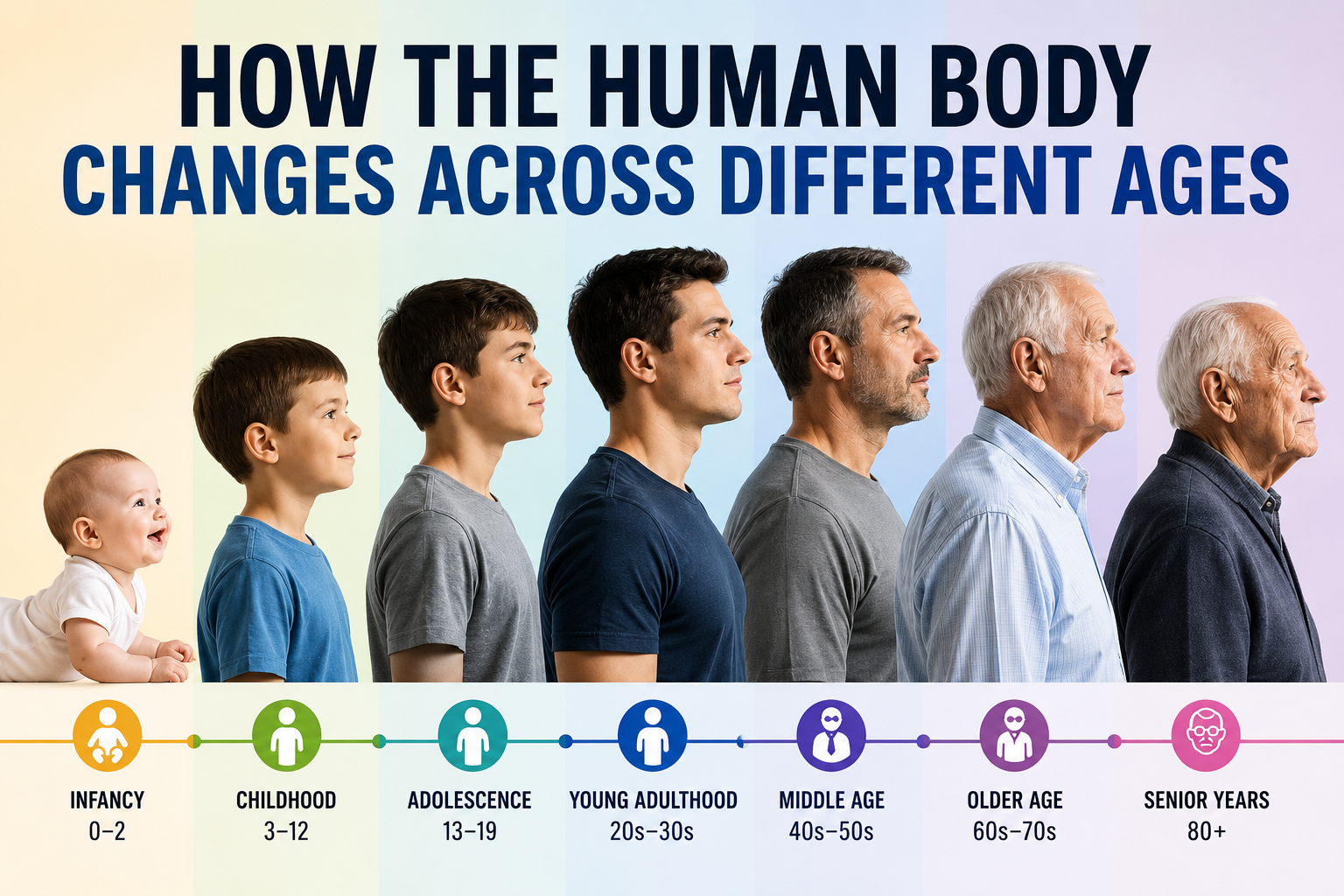
How the Human Body Changes Across Different Ages
The human body is constantly changing. From the rapid growth of childhood to the gradual physical shifts of later adulthood, nearly every stage of life brings noticeable changes in the way the body looks, functions and responds to its environment.
Some changes are dramatic, such as puberty and the growth spurt of adolescence. Others happen so gradually that people may not notice them until years later. Muscle mass, bone density, metabolism, vision, hearing, skin, hormones and cardiovascular function can all change with age.
Understanding these changes can make it easier to distinguish normal aging from signs that deserve medical attention. It can also help people make informed decisions about nutrition, exercise, sleep and preventive healthcare throughout their lives.
Infancy and Early Childhood: Rapid Growth and Development
The first years of life are among the fastest periods of physical development.
Babies experience substantial changes in height, weight, body proportions and motor abilities. The brain also develops rapidly during early childhood, while the nervous system becomes increasingly capable of coordinating movement, communication and learning.
Bones and muscles grow quickly as children progress from crawling to walking, running and eventually participating in more complex physical activities.
The immune system is also developing during these years. Children encounter new microorganisms and gradually build immune responses through normal exposure and vaccination.
Nutrition plays an important role during this stage. Adequate protein, vitamins, minerals and calories support growth and the development of bones, muscles and organs.
Middle Childhood: Building Strength and Coordination
During the school-age years, growth generally becomes steadier compared with infancy.
Children continue to gain height and weight while developing stronger muscles and bones. Coordination improves, allowing them to perform increasingly complicated physical activities such as cycling, swimming, jumping and organized sports.
The cardiovascular and respiratory systems also mature, supporting greater physical endurance.
Body composition changes throughout childhood, and the amount of body fat naturally fluctuates as children prepare for the major physical transformation of puberty.
Sleep remains particularly important during this period because the body and brain are still developing. Consistent sleep supports physical growth, learning, memory and emotional regulation.
Adolescence: The Body Enters a Major Transition
Puberty represents one of the most significant periods of physical change in a person’s life.
Hormonal changes trigger growth in the reproductive organs and produce secondary sex characteristics. Height can increase rapidly, muscles may become larger and body fat distribution changes.
The timing and pace of puberty vary considerably from person to person. Genetics, nutrition, overall health and other biological factors can influence when these changes begin and how quickly they progress.
The skeleton also undergoes major development during adolescence. Bones become larger and stronger, and much of a person’s eventual peak bone mass is established during these years.
The brain continues developing as well. Although physical growth may appear nearly complete by late adolescence, areas involved in planning, decision-making and impulse control continue maturing into early adulthood.
Early Adulthood: Reaching Peak Physical Capacity
For many people, early adulthood is a period when physical capabilities are relatively strong.
Muscle strength, reaction time, aerobic capacity and bone density can be near their individual peaks, although the exact timing varies widely.
Metabolism also changes over the course of adulthood. Contrary to the common idea that metabolism suddenly slows at a particular birthday, research suggests that energy expenditure is relatively stable across much of adulthood before gradually declining later in life.
Lifestyle choices during early adulthood can influence long-term health. Regular physical activity, adequate nutrition, sufficient sleep and avoiding tobacco can help maintain cardiovascular fitness, muscle mass and bone health.
This is also an important period for establishing habits that can become increasingly valuable later in life.
The 30s: Subtle Changes Begin to Appear
During the 30s, many people still feel physically youthful, but some gradual changes may begin.
Muscle mass and strength can slowly decline if they are not maintained through regular physical activity, particularly resistance training. Bone remodeling also continues, and bone density eventually begins trending downward after peak bone mass has been reached.
The skin may begin producing less collagen and elastin, contributing over time to changes such as fine lines and reduced elasticity.
Recovery from intense physical activity may also feel different compared with adolescence or early adulthood. However, individual differences are substantial, and fitness level often matters more than chronological age alone.
People who remain physically active can maintain impressive levels of strength and endurance well beyond their 30s.
The 40s: Hormonal and Metabolic Changes Become More Noticeable
The 40s can bring more visible changes in body composition and hormonal function.
Some people begin accumulating more body fat around the abdomen, while maintaining muscle becomes increasingly important. Changes in activity levels, diet, sleep and stress can also influence body weight and metabolic health.
Vision is another area where age-related changes may become apparent. Presbyopia, the gradual loss of the eye’s ability to focus on nearby objects, commonly becomes noticeable during midlife.
Hormonal changes can also become significant. In women, the years leading up to menopause can involve changing reproductive hormone levels and symptoms such as irregular periods, hot flashes and sleep disturbances. Men also experience gradual hormonal changes, although they generally do not follow the same abrupt pattern.
Regular health screenings become increasingly important during this stage because several chronic conditions become more common with age.
The 50s: Protecting Muscle, Bone and Heart Health
By the 50s, maintaining physical function becomes increasingly important.
Muscle mass naturally tends to decline with age, a process known as sarcopenia. However, the rate of muscle loss varies considerably and can be influenced by physical activity, protein intake, illness and other factors.
Resistance exercise can help preserve muscle strength and physical independence.
Bone health also deserves greater attention. Bone density can decrease with age, and hormonal changes can accelerate bone loss in some people. Adequate calcium and vitamin D, weight-bearing activity and appropriate medical screening can support skeletal health.
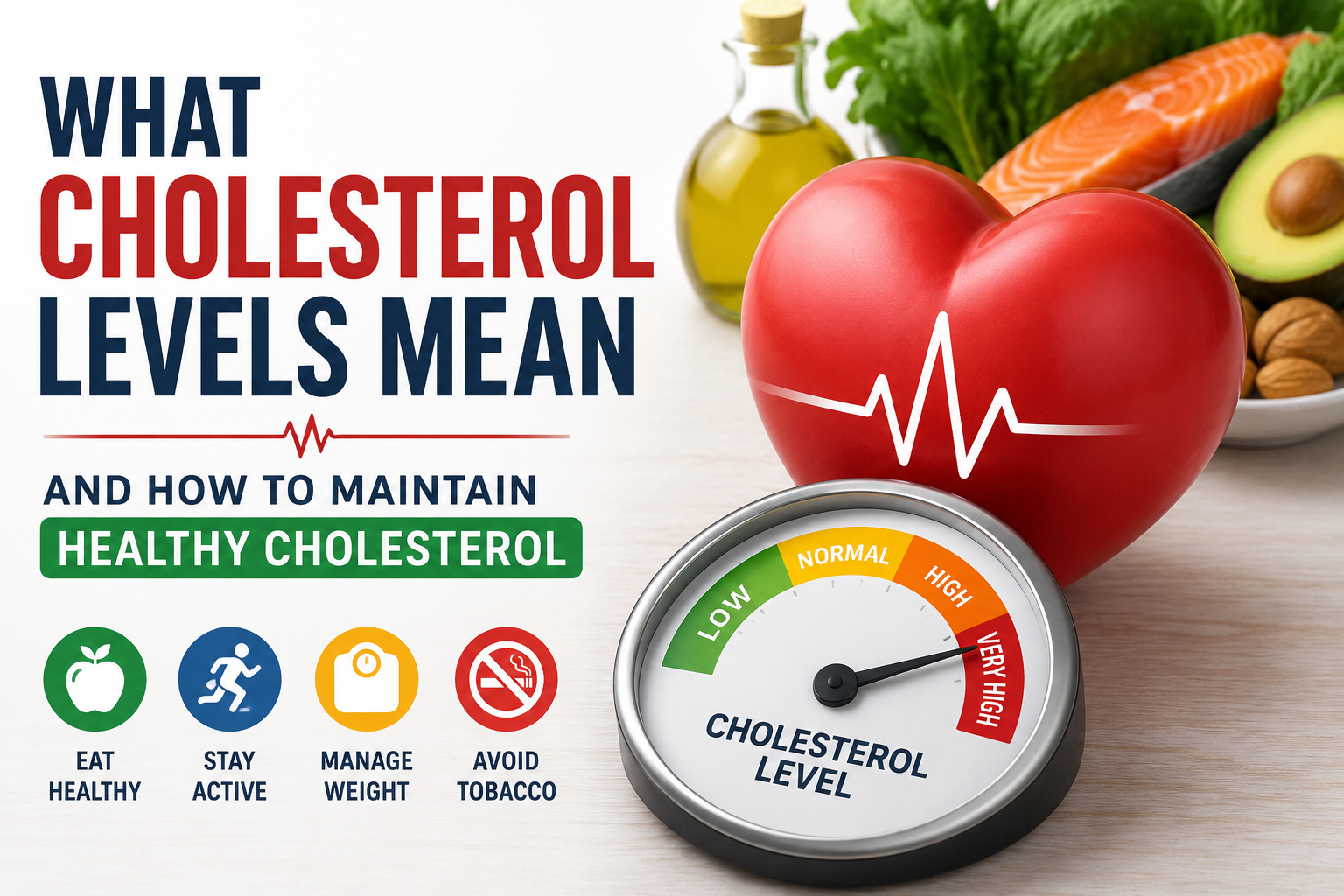
Cardiovascular risk factors may also become more important. Blood pressure, cholesterol, blood glucose, body weight, smoking status and physical activity all contribute to long-term heart health.
The 60s: Preserving Function Becomes a Major Goal
In the 60s, aging-related changes often become more noticeable, but there is still enormous variation between individuals.
Muscle strength, balance, flexibility and reaction time may decline gradually. These changes can affect everyday activities if they are not addressed.
Physical activity remains one of the most important tools for maintaining independence. Walking, strength training, balance exercises and other forms of movement can help support mobility and reduce the risk of physical decline.
The cardiovascular system also becomes less adaptable to intense exertion, and recovery can take longer.
Sensory changes may become more apparent. Hearing loss becomes more common, while vision can be affected by age-related conditions such as cataracts and other eye disorders.
The immune system also changes with age, which can make older adults more vulnerable to certain infections.
The 70s and Beyond: Aging Becomes More Individual
During the later decades of life, differences between individuals can become particularly pronounced.
Some older adults remain highly active and independent, while others experience significant limitations from chronic diseases, injuries or age-related changes.
Muscle loss can accelerate, making strength and balance particularly important. Reduced muscle power can increase the difficulty of climbing stairs, rising from a chair or recovering from a stumble.
Bone fragility may also increase, making falls a more serious concern.
The cardiovascular and respiratory systems may have less reserve than they did earlier in life. Kidney function and other physiological processes can also gradually change.
At the same time, healthy aging does not mean avoiding all physical changes. The goal is often to preserve function, independence and quality of life for as long as possible.
How the Brain Changes With Age
Aging affects the brain as well as the rest of the body.
Processing speed and certain aspects of memory may become slower with age. It may take longer to learn unfamiliar information or switch between tasks.
However, normal aging is not the same as dementia.
Many cognitive abilities remain stable or can even improve over time. Vocabulary, accumulated knowledge and problem-solving strategies can benefit from decades of experience.
Mental stimulation, physical activity, adequate sleep, social engagement and management of cardiovascular risk factors may all contribute to maintaining brain health.
Significant or rapidly worsening memory problems, confusion or changes in everyday functioning should not simply be dismissed as normal aging and should be discussed with a healthcare professional.
Why Muscle Matters More as We Get Older
One of the most important physical changes associated with aging is the gradual loss of muscle mass and strength.
Muscle is not only important for athletic performance. It helps people stand, walk, climb stairs, maintain balance and perform everyday tasks.
Strength training can therefore become increasingly valuable with age.
Older adults do not necessarily need intense bodybuilding programs to benefit. Exercises using body weight, resistance bands, machines or free weights can be adapted to different fitness levels and physical abilities.
Adequate protein intake is also important for maintaining muscle, although nutritional needs vary depending on individual health and circumstances.
The Skeleton Continues to Change
Bones are living tissue and continuously undergo a process of breakdown and rebuilding.
During childhood and early adulthood, bone formation generally outpaces bone loss, allowing the skeleton to grow and strengthen. Later in life, the balance can shift toward greater bone loss.
This can eventually increase the risk of osteoporosis and fractures.
Weight-bearing exercise, resistance training and adequate intake of bone-supporting nutrients can help maintain skeletal health. Medical evaluation may also be appropriate for people with elevated fracture risk.
Skin, Hair and Other Visible Changes
Some of the most obvious signs of aging appear on the outside of the body.
Skin gradually becomes thinner and less elastic as collagen production and other structural processes change. Sun exposure accumulated over a lifetime can contribute significantly to wrinkles, pigmentation changes and other visible effects.
Hair can become thinner, grow more slowly or lose pigment as pigment-producing cells become less active.
Nails may also grow more slowly and change in texture.
These changes are generally part of normal aging, although sudden or unusual changes can sometimes signal an underlying health problem.
Aging Does Not Follow One Universal Timeline
Perhaps the most important fact about aging is that chronological age does not tell the whole story.
Two people who are the same age can have very different levels of muscle strength, cardiovascular fitness, bone density, cognitive function and overall health.
Genetics play a role, but lifestyle and environmental factors matter as well. Physical activity, nutrition, sleep, stress, tobacco exposure, alcohol consumption, medical conditions and access to healthcare can all influence how the body changes over time.
This is why healthy aging is less about trying to stop the clock and more about maintaining physical and mental capacity.
Taking Care of the Body at Every Stage
The body’s needs change throughout life, but several principles remain consistently important.
Regular movement helps maintain cardiovascular fitness, muscle strength and mobility. A balanced diet provides the nutrients needed for growth, tissue maintenance and energy. Adequate sleep supports physical recovery and brain function.
Preventive healthcare also becomes increasingly important as people age. Routine medical checkups and recommended screenings can identify health problems before they become more serious.
Perhaps most importantly, aging should not be viewed solely as a process of decline. The body changes from birth onward, and many aspects of health can be influenced by the choices people make throughout their lives.
Growing Older With Strength and Independence
There is no single way for a human body to age. Some changes are unavoidable, while others can be influenced substantially by physical activity, nutrition, medical care and everyday habits.
Understanding what happens at different stages makes those changes less mysterious and can help people recognize where healthy choices can make a meaningful difference.
The objective is not to preserve the body exactly as it was at 20. It is to support strength, mobility, cognitive function and independence for as many years as possible. With that perspective, aging becomes less about fighting the passage of time and more about making the most of every stage of life.



2 Comments
Micle harison
June 7, 2019Lorem ipsum dolor sit amet, usu ut perfecto postulant deterruisset, libris causae volutpat at est, ius id modus laoreet urbanitas. Mel ei delenit dolores.
John Doe
June 7, 2019Some consultants are employed indirectly by the client via a consultancy staffing company.