
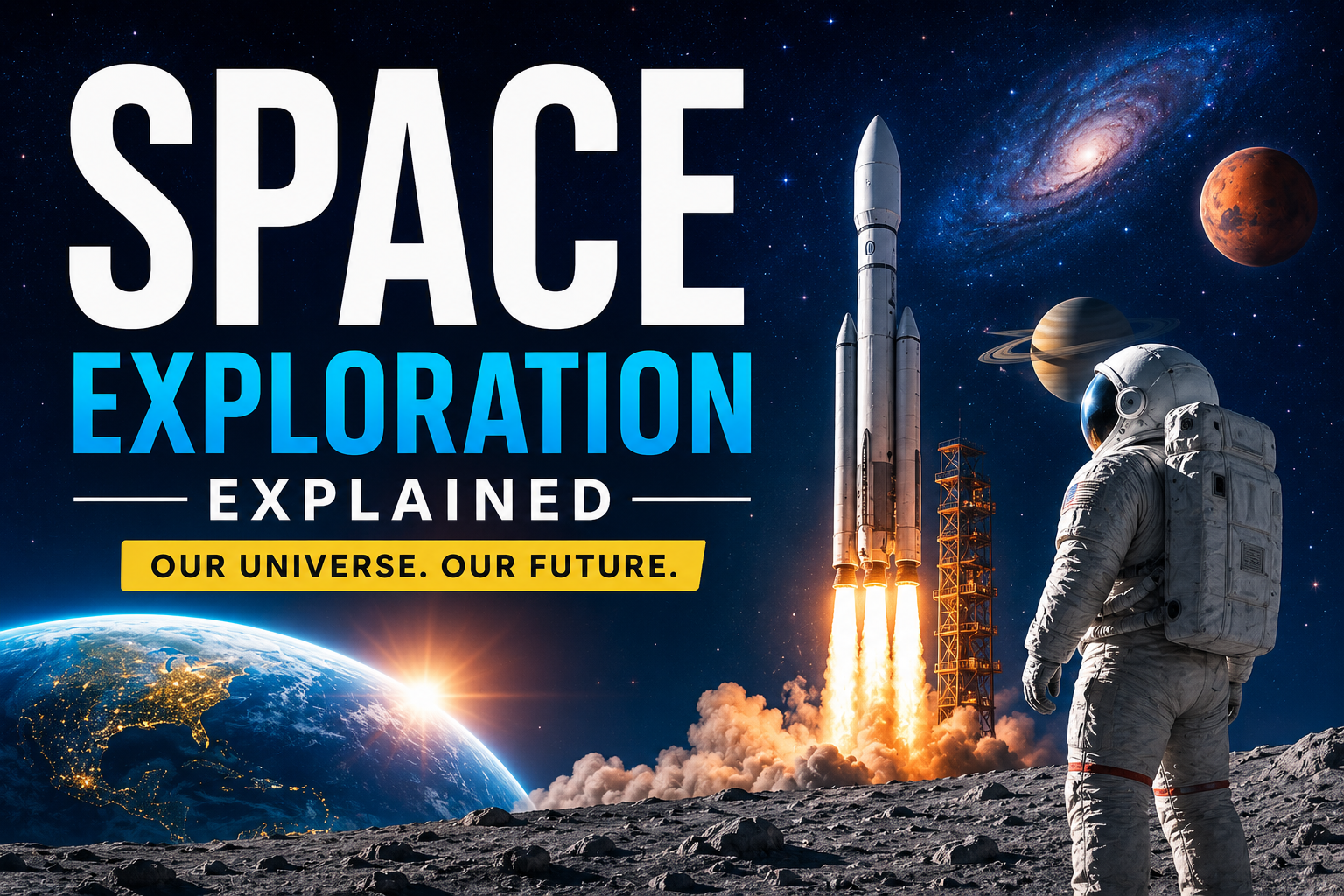
Space Exploration Explained
For thousands of years, humanity has looked toward the night sky with curiosity and wonder. What began as simple observations of the stars has evolved into one of the greatest scientific and technological endeavors in history. Today, space exploration extends far beyond Earth’s atmosphere, with robotic spacecraft exploring distant planets, astronauts living aboard orbiting laboratories, and ambitious missions aiming to return humans to the Moon and eventually send them to Mars.
Space exploration has transformed our understanding of the universe while driving innovations that benefit everyday life on Earth. From satellite communications and GPS navigation to weather forecasting and medical technologies, discoveries made during space missions continue to shape modern society.
This guide explains what space exploration is, why it matters, the technologies that make it possible, major milestones, current missions, and the exciting future of humanity’s journey beyond Earth.
What Is Space Exploration?
Space exploration is the investigation of outer space using telescopes, satellites, robotic spacecraft, space probes, and human spaceflight. Its goals include expanding scientific knowledge, studying planets and stars, searching for signs of life, understanding the origins of the universe, and developing technologies that enable future exploration.
Space exploration combines expertise from numerous scientific and engineering disciplines, including:
- Astronomy
- Physics
- Planetary science
- Aerospace engineering
- Robotics
- Computer science
- Materials science
- Biology
- Geology
- Artificial intelligence
Together, these fields help scientists and engineers overcome the challenges of exploring the harsh environment of space.
Why Space Exploration Matters
Exploring space provides benefits that extend far beyond scientific discovery.
Some of the most significant advantages include:
- Advancing scientific knowledge
- Driving technological innovation
- Improving satellite communications
- Enhancing weather forecasting
- Supporting GPS navigation
- Monitoring Earth’s climate
- Inspiring future generations
- Strengthening international cooperation
- Expanding commercial space industries
- Preparing for future human exploration
Many technologies originally developed for space missions have found practical applications in healthcare, transportation, manufacturing, and consumer electronics.
A Brief History of Space Exploration
Humanity’s exploration of space has progressed rapidly over the past century.
The Space Age Begins
The launch of the first artificial satellite marked the beginning of the modern space era, demonstrating that objects could successfully orbit Earth.
Human Spaceflight
The first human space missions proved that people could survive and operate in space, paving the way for longer missions and future exploration.
Moon Landings
Landing astronauts on the Moon remains one of humanity’s greatest engineering achievements and demonstrated the capability to explore worlds beyond Earth.
Robotic Exploration
Uncrewed spacecraft have visited every planet in the Solar System, sending back valuable scientific data and remarkable images.
International Cooperation
Modern exploration increasingly involves collaboration among multiple countries, research institutions, and commercial space companies.
How Spacecraft Reach Space
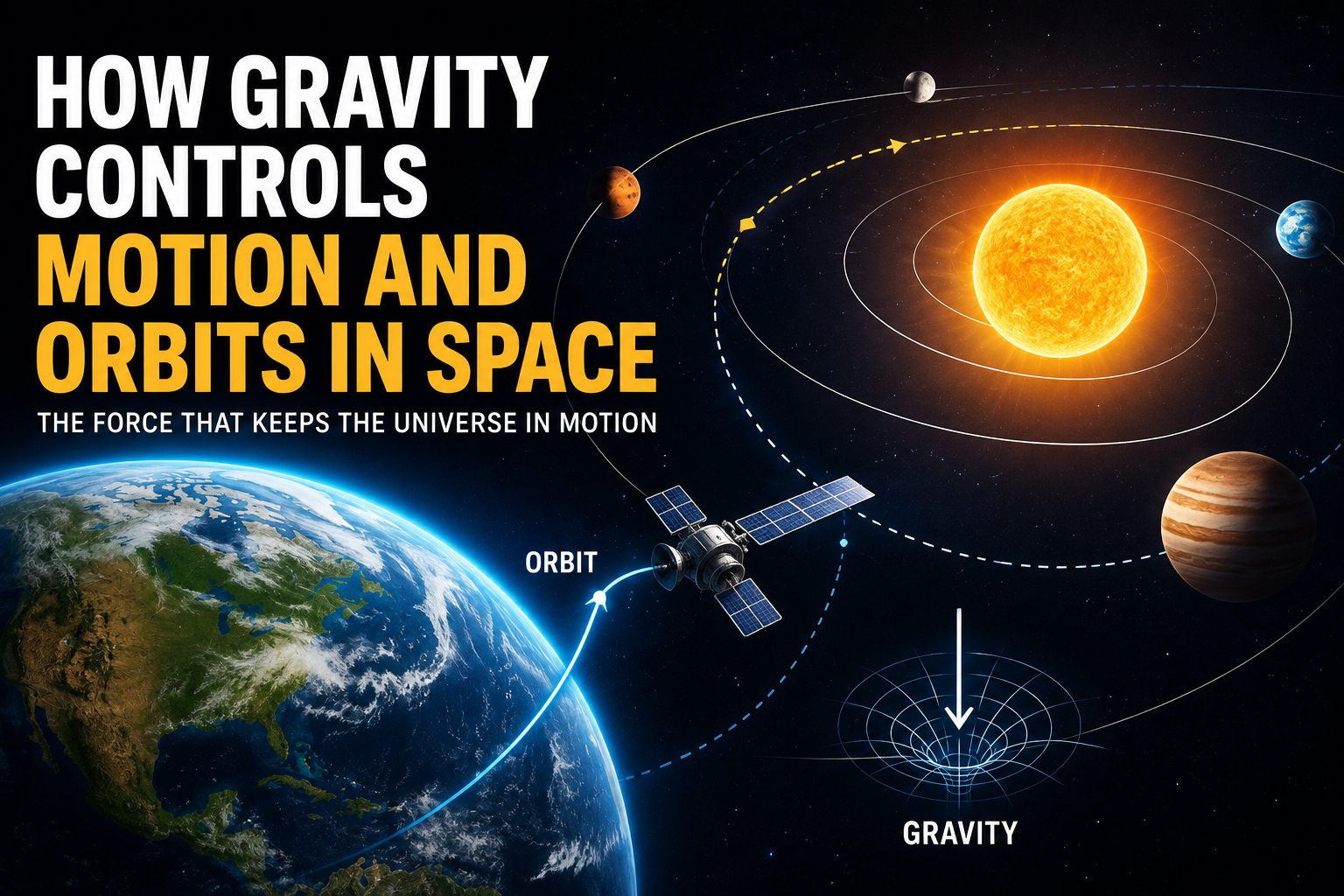
Launching a spacecraft requires overcoming Earth’s gravitational pull.
Rockets generate enormous amounts of thrust by burning fuel and expelling exhaust gases at high speed. Once outside the atmosphere, spacecraft rely on onboard propulsion systems to adjust their trajectories and reach their intended destinations.
Launch systems generally include:
- Rocket boosters
- Main engines
- Fuel tanks
- Guidance systems
- Payload fairings
- Upper stages
Each component plays an essential role in delivering satellites, probes, or crew safely into orbit or beyond.
Types of Space Missions
Space exploration includes a wide variety of missions designed to answer different scientific questions.
Earth Observation Missions
Satellites monitor weather, climate change, natural disasters, forests, oceans, and agriculture from orbit.
Planetary Exploration
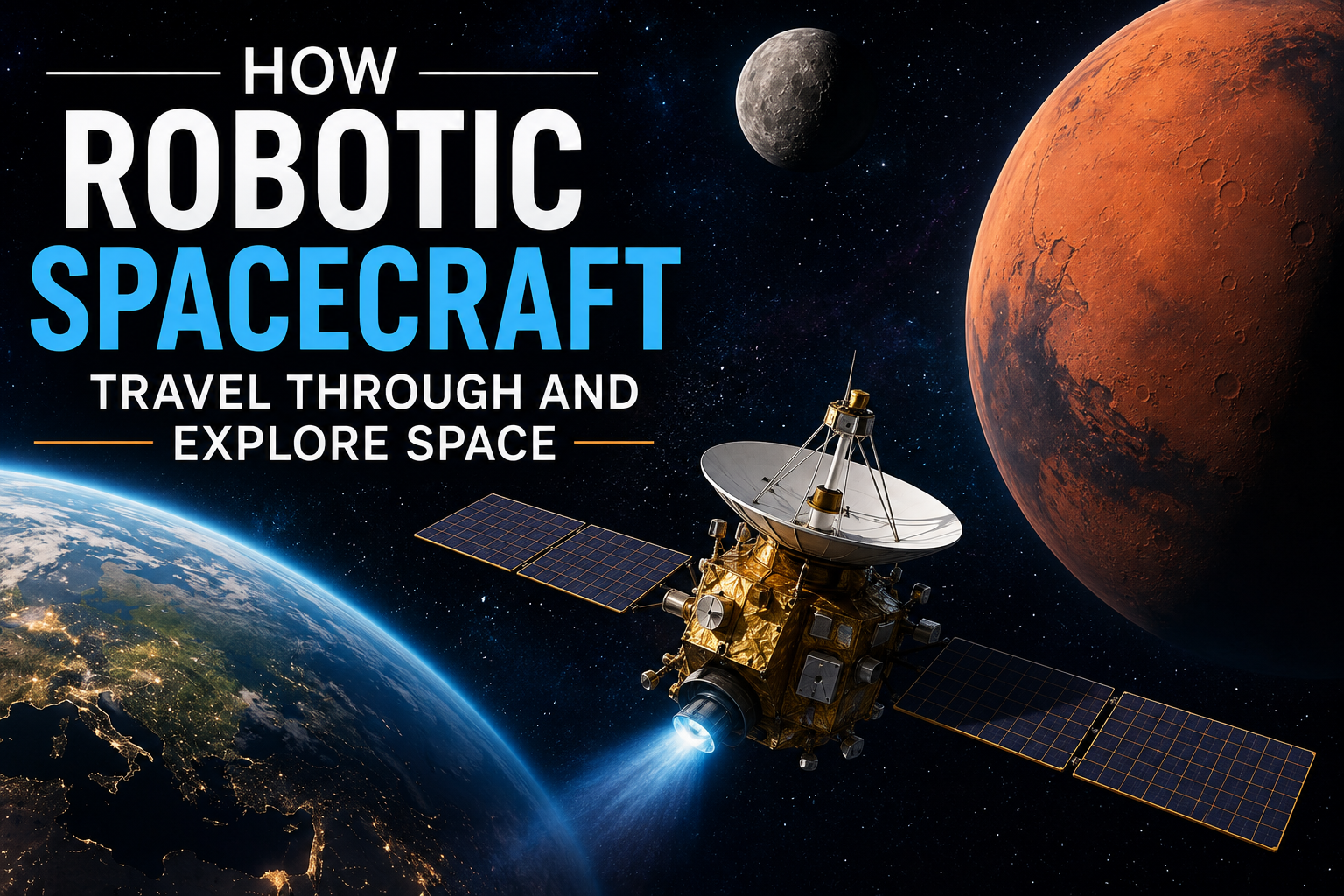
Robotic spacecraft study planets, moons, asteroids, and comets to better understand the Solar System.
Human Spaceflight
Astronauts conduct scientific research, test technologies, and prepare for future deep-space missions.
Space Telescopes
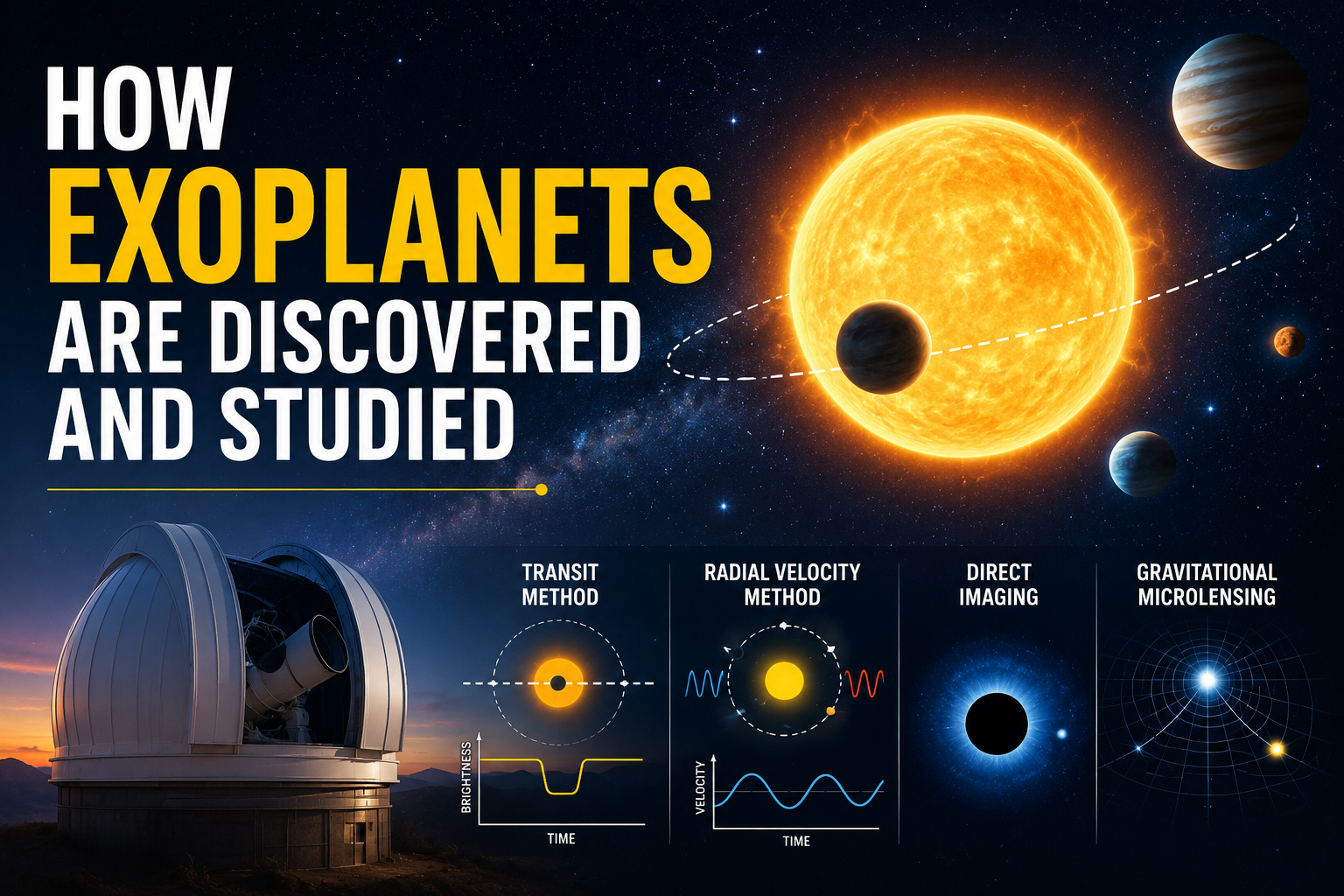
Orbiting observatories provide clear views of distant galaxies, stars, and exoplanets without interference from Earth’s atmosphere.
Sample Return Missions
Some spacecraft collect material from asteroids, comets, or planetary surfaces and return it to Earth for detailed laboratory analysis.
Exploring the Solar System
Spacecraft have transformed our understanding of our cosmic neighborhood.
Mercury
Scientists study Mercury’s extreme temperatures, thin atmosphere, and large iron core.
Venus
Missions investigate its dense atmosphere, volcanic landscape, and runaway greenhouse effect.
Mars
Mars remains one of the most intensively explored planets due to its potential for past habitability and future human exploration.
Jupiter and Saturn
Orbiters and flyby missions have revealed complex weather systems, powerful magnetic fields, and dozens of fascinating moons.
Uranus and Neptune
Although visited only briefly by spacecraft so far, these distant ice giants remain important targets for future exploration.
Asteroids and Comets
Studying small bodies helps scientists understand how the Solar System formed more than four billion years ago.
The Role of Space Stations
Space stations serve as laboratories where astronauts conduct long-duration scientific research in microgravity.
Research performed aboard orbiting laboratories contributes to advances in:
- Human health
- Biology
- Materials science
- Fluid physics
- Plant growth
- Space technology
- Radiation studies
These findings help prepare for future missions to the Moon, Mars, and beyond.
Technologies Powering Space Exploration
Modern missions rely on sophisticated technologies that continue evolving.
Important innovations include:
- Reusable rockets
- Advanced robotics
- Artificial intelligence
- Autonomous navigation
- High-resolution imaging
- Deep-space communications
- Solar power systems
- Electric propulsion
- Radiation protection
- Precision landing systems
These technologies improve mission reliability while reducing costs and expanding scientific capabilities.
Challenges of Exploring Space
Despite remarkable progress, space exploration remains extremely challenging.
Some of the biggest obstacles include:
Distance
Even traveling within our own Solar System requires enormous amounts of time and energy.
Radiation
Astronauts and spacecraft must withstand harmful cosmic radiation beyond Earth’s protective magnetic field.
Extreme Temperatures
Spacecraft experience dramatic temperature variations that require advanced thermal protection.
Communication Delays
Signals traveling across millions of kilometers may take minutes—or even hours—to reach Earth.
Limited Resources
Long-duration missions require careful management of food, water, oxygen, fuel, and power supplies.
Commercial Space Exploration
Private companies have become increasingly important participants in space exploration.
Commercial organizations now contribute to:
- Satellite launches
- Cargo transportation
- Human spaceflight
- Lunar exploration
- Space tourism
- Rocket development
- Space infrastructure
- Communications networks
Public-private partnerships are accelerating innovation while reducing launch costs.
The Search for Life Beyond Earth
One of the most compelling goals of space exploration is determining whether life exists elsewhere in the universe.
Scientists search for signs of life by studying:
- Mars
- Icy moons
- Exoplanets
- Organic molecules
- Atmospheric chemistry
- Water-rich environments
Although no confirmed evidence of extraterrestrial life has been discovered, ongoing research continues expanding our understanding of potentially habitable environments.
The Future of Space Exploration
The coming decades promise significant advances in exploration.
Future priorities may include:
- Returning humans to the Moon
- Building long-term lunar infrastructure
- Sending astronauts to Mars
- Exploring icy ocean worlds
- Mining asteroids
- Expanding commercial space stations
- Developing nuclear propulsion
- Improving reusable launch systems
- Searching for Earth-like exoplanets
- Advancing deep-space robotics
As technology progresses, missions that once seemed impossible are becoming increasingly achievable.
Final Thoughts
Space exploration represents one of humanity’s greatest scientific achievements and continues to expand our understanding of the universe. From robotic missions exploring distant planets to astronauts conducting research in orbit, each mission contributes valuable knowledge that benefits science, technology, and society.
While many challenges remain, continued innovation, international collaboration, and growing commercial participation are opening new opportunities for discovery. As humanity looks toward future missions to the Moon, Mars, and beyond, space exploration will remain a powerful driver of scientific progress, technological advancement, and inspiration for generations to come.


2 Comments
Micle harison
June 7, 2019Lorem ipsum dolor sit amet, usu ut perfecto postulant deterruisset, libris causae volutpat at est, ius id modus laoreet urbanitas. Mel ei delenit dolores.
John Doe
June 7, 2019Some consultants are employed indirectly by the client via a consultancy staffing company.