
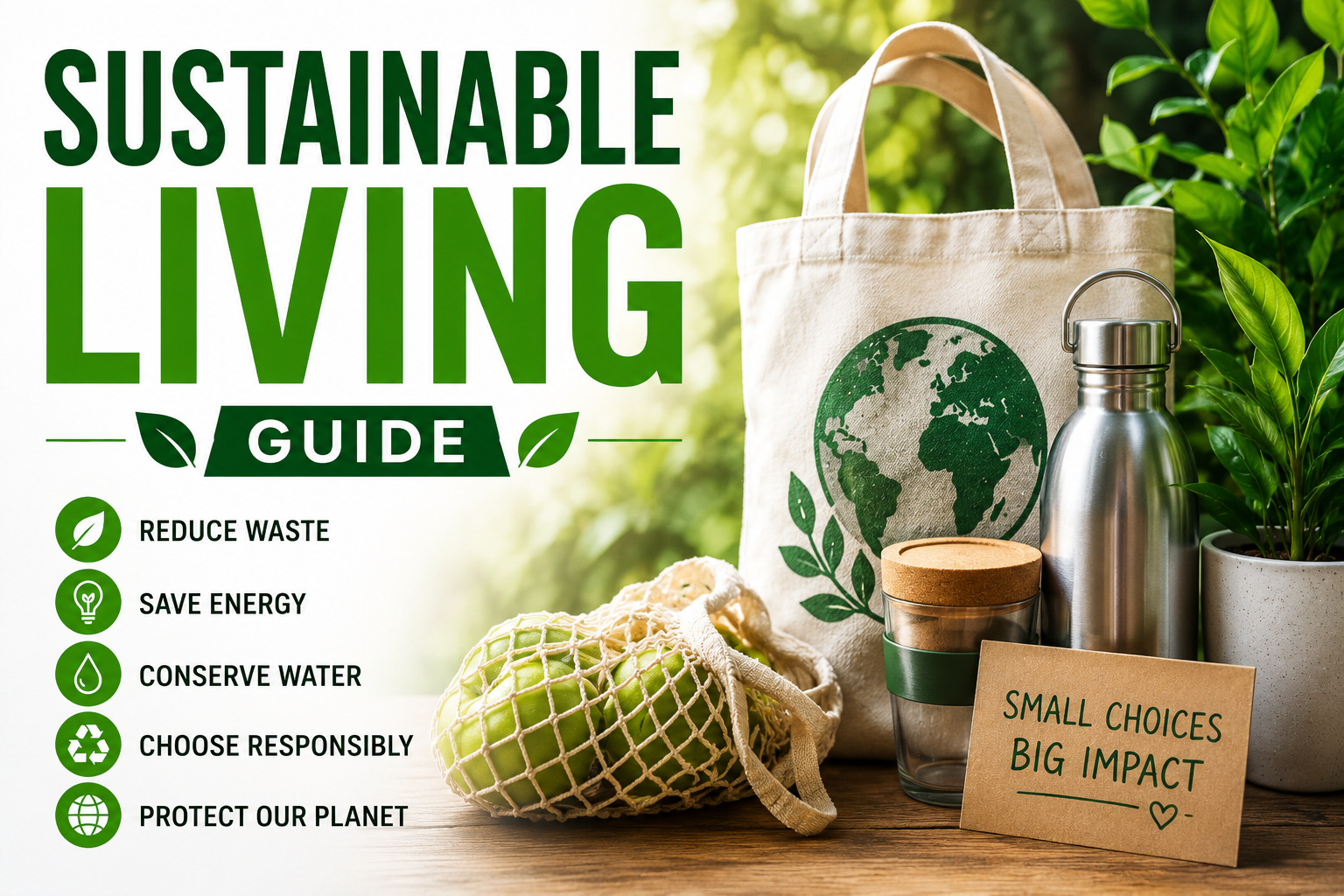
Sustainable Living Guide
Sustainable living is a lifestyle that aims to reduce environmental impact while making responsible use of the Earth’s natural resources. As concerns about climate change, pollution, resource depletion, and biodiversity loss continue to grow, more individuals and families are adopting sustainable habits that benefit both the planet and future generations.
Living sustainably doesn’t require a complete lifestyle overhaul. Small, consistent changes—such as reducing waste, conserving energy, choosing reusable products, and supporting environmentally responsible businesses—can collectively make a meaningful difference. At the same time, sustainable living often helps households save money, improve health, and build stronger communities.
This guide explains what sustainable living is, why it matters, and practical ways to make environmentally friendly choices at home and in everyday life.
What Is Sustainable Living?
Sustainable living is the practice of making daily choices that minimize harm to the environment while supporting long-term social and economic well-being.
It involves using resources responsibly by:
- Reducing waste
- Conserving energy
- Saving water
- Choosing sustainable products
- Supporting local businesses
- Limiting pollution
- Protecting natural habitats
- Consuming responsibly
The goal is to meet today’s needs without compromising the ability of future generations to meet theirs.
Why Sustainable Living Matters
Everyday activities affect the environment through energy use, transportation, food production, and waste generation.
Living more sustainably can help:
- Reduce greenhouse gas emissions
- Conserve natural resources
- Protect wildlife habitats
- Improve air and water quality
- Reduce household waste
- Lower energy costs
- Support healthier communities
- Promote long-term environmental resilience
Even small lifestyle changes can have a positive cumulative impact when adopted by large numbers of people.
Reduce Household Waste
Reducing waste is one of the easiest ways to live more sustainably.
Simple habits include:
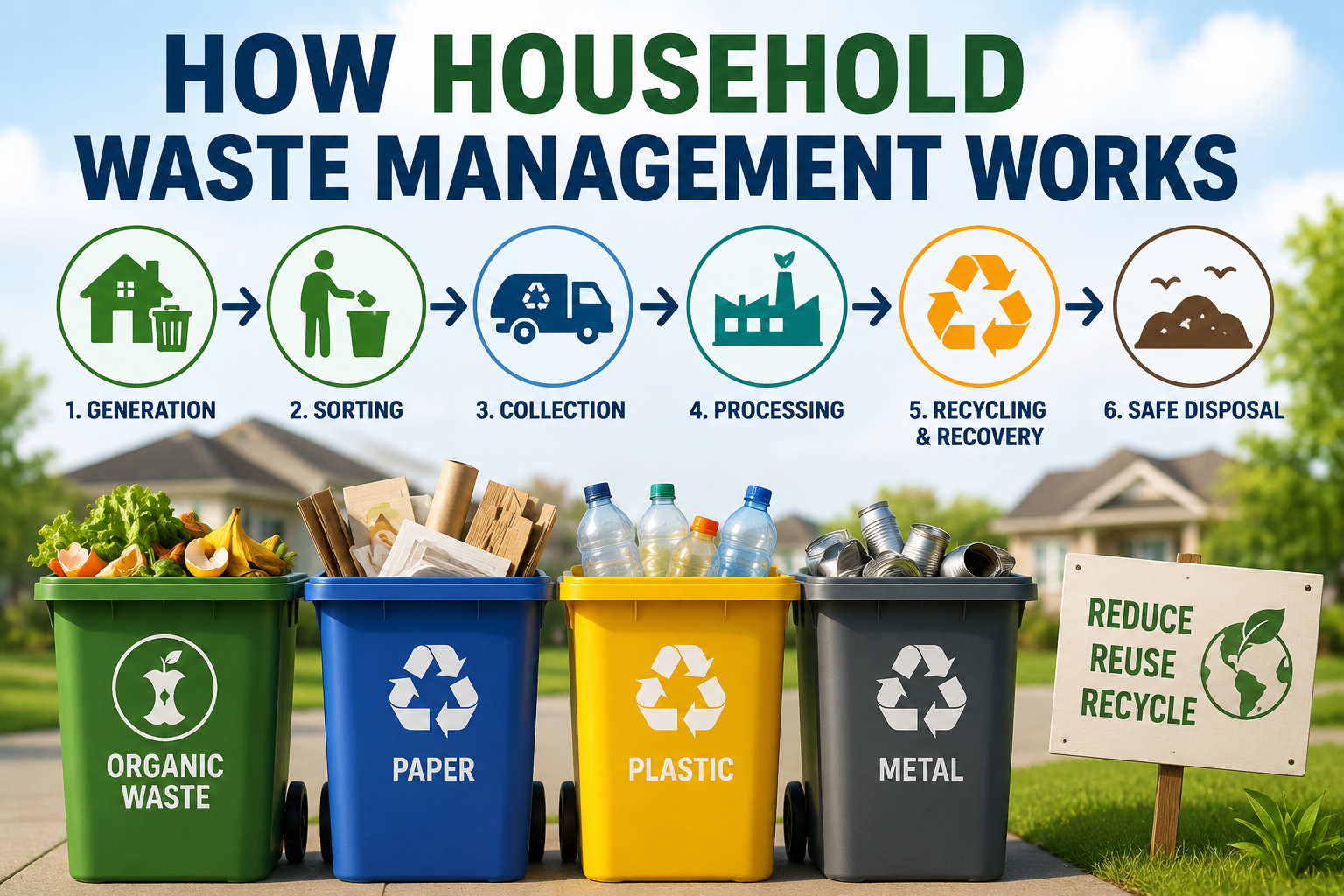
- Recycling properly
- Composting food scraps
- Choosing reusable shopping bags
- Using refillable water bottles
- Avoiding single-use plastics
- Repairing instead of replacing items
- Donating unwanted belongings
- Buying products with minimal packaging
Producing less waste reduces pressure on landfills and conserves valuable resources.
Save Energy at Home
Energy efficiency benefits both the environment and household budgets.
Ways to reduce energy consumption include:
- Switching to LED light bulbs
- Turning off unused electronics
- Using energy-efficient appliances
- Improving home insulation
- Installing programmable thermostats
- Maximizing natural lighting
- Washing clothes with cold water
- Air-drying laundry when possible
Lower energy use often results in reduced utility bills over time.
Conserve Water
Fresh water is a valuable resource that should be used wisely.
Water-saving practices include:
- Fixing leaking faucets
- Installing water-efficient fixtures
- Taking shorter showers
- Running full loads in dishwashers and washing machines
- Collecting rainwater for gardening
- Watering plants early in the morning
- Using drought-tolerant landscaping
- Turning off taps while brushing teeth
Simple conservation habits can significantly reduce household water consumption.
Make Sustainable Food Choices
Food production has a major impact on the environment.
Environmentally conscious habits include:
- Buying seasonal produce
- Choosing locally grown foods
- Reducing food waste
- Planning meals
- Composting food scraps
- Growing herbs or vegetables at home
- Limiting unnecessary packaging
- Storing food properly to extend freshness
Thoughtful meal planning also helps reduce grocery costs and unnecessary waste.
Choose Reusable Products
Replacing disposable products with reusable alternatives can reduce waste over time.
Popular reusable items include:
- Shopping bags
- Coffee cups
- Food containers
- Water bottles
- Metal straws
- Cloth napkins
- Rechargeable batteries
- Refillable cleaning bottles
These products often provide long-term savings while reducing landfill waste.
Shop More Responsibly
Consumers influence sustainability through purchasing decisions.
Helpful shopping habits include:
- Buying durable products
- Supporting ethical brands
- Choosing recycled materials
- Purchasing secondhand items
- Avoiding impulse purchases
- Looking for energy-efficient products
- Reading sustainability certifications
- Prioritizing quality over quantity
Buying fewer, higher-quality items often reduces both costs and environmental impact.
Sustainable Transportation
Transportation contributes significantly to global emissions.
Ways to reduce environmental impact include:
- Walking when possible
- Cycling for short trips
- Using public transportation
- Carpooling
- Combining errands into one trip
- Driving fuel-efficient vehicles
- Considering electric or hybrid vehicles
- Maintaining vehicles properly for better efficiency
Even occasional changes in travel habits can reduce fuel consumption.
Create an Eco-Friendly Home
Sustainability can be incorporated into nearly every part of the home.
Ideas include:
- Using natural cleaning products
- Improving insulation
- Installing smart thermostats
- Planting shade trees
- Using sustainable building materials
- Choosing low-VOC paints
- Reducing paper use
- Maintaining appliances for efficiency
Small home improvements can provide environmental and financial benefits.
Reduce Plastic Use
Plastic pollution affects ecosystems around the world.
Ways to reduce plastic consumption include:
- Carry reusable grocery bags
- Choose products with recyclable packaging
- Avoid disposable cutlery
- Purchase refillable household products
- Store food in reusable containers
- Buy in bulk when practical
- Recycle correctly
- Support businesses reducing plastic waste
Reducing plastic use helps protect oceans, rivers, and wildlife.
Support Biodiversity
Healthy ecosystems rely on diverse plant and animal life.
Homeowners can help by:
- Planting native species
- Creating pollinator-friendly gardens
- Avoiding harmful pesticides
- Preserving natural habitats
- Conserving trees
- Providing water sources for wildlife
- Supporting conservation organizations
- Participating in community environmental projects
Healthy biodiversity contributes to resilient ecosystems.
Common Sustainable Living Myths
Several misconceptions discourage people from adopting sustainable habits.
Myth: Sustainable Living Is Expensive
Many sustainable habits—such as reducing energy use, minimizing waste, and repairing items—can actually save money over time.
Myth: One Person Can’t Make a Difference
Individual actions, when multiplied across communities, can create significant environmental benefits.
Myth: Sustainability Requires Perfection
Living sustainably is about making consistent improvements rather than achieving perfection.
Myth: Eco-Friendly Products Are Always Better
The most sustainable choice is often using existing products for as long as possible before replacing them.
Tips for Long-Term Success
Building sustainable habits is easier when changes are gradual.
Helpful strategies include:
- Start with one habit at a time.
- Reduce unnecessary consumption.
- Plan purchases carefully.
- Recycle responsibly.
- Conserve energy daily.
- Save water whenever possible.
- Support local businesses.
- Repair items before replacing them.
- Learn about environmental issues.
- Encourage sustainable habits within your family.
Small actions performed consistently often create lasting results.
The Future of Sustainable Living
Technology continues making sustainable living more accessible.
Emerging trends include:
- Smart energy management systems
- Solar home technology
- Electric vehicles
- Sustainable building materials
- Circular economy practices
- AI-powered energy optimization
- Water recycling systems
- Eco-friendly consumer products
As innovation continues, households will have even more opportunities to reduce environmental impact while improving quality of life.
Final Thoughts
Sustainable living is not about perfection or sacrifice—it’s about making thoughtful choices that support both personal well-being and the health of the planet. By reducing waste, conserving energy and water, choosing reusable products, and consuming responsibly, individuals can lower their environmental footprint while often saving money in the process.
Every positive action, no matter how small, contributes to a more sustainable future. As communities, businesses, and governments continue working toward environmental goals, adopting sustainable habits at home remains one of the most meaningful ways people can help protect natural resources and create a healthier world for generations to come.



2 Comments
Micle harison
June 7, 2019Lorem ipsum dolor sit amet, usu ut perfecto postulant deterruisset, libris causae volutpat at est, ius id modus laoreet urbanitas. Mel ei delenit dolores.
John Doe
June 7, 2019Some consultants are employed indirectly by the client via a consultancy staffing company.