
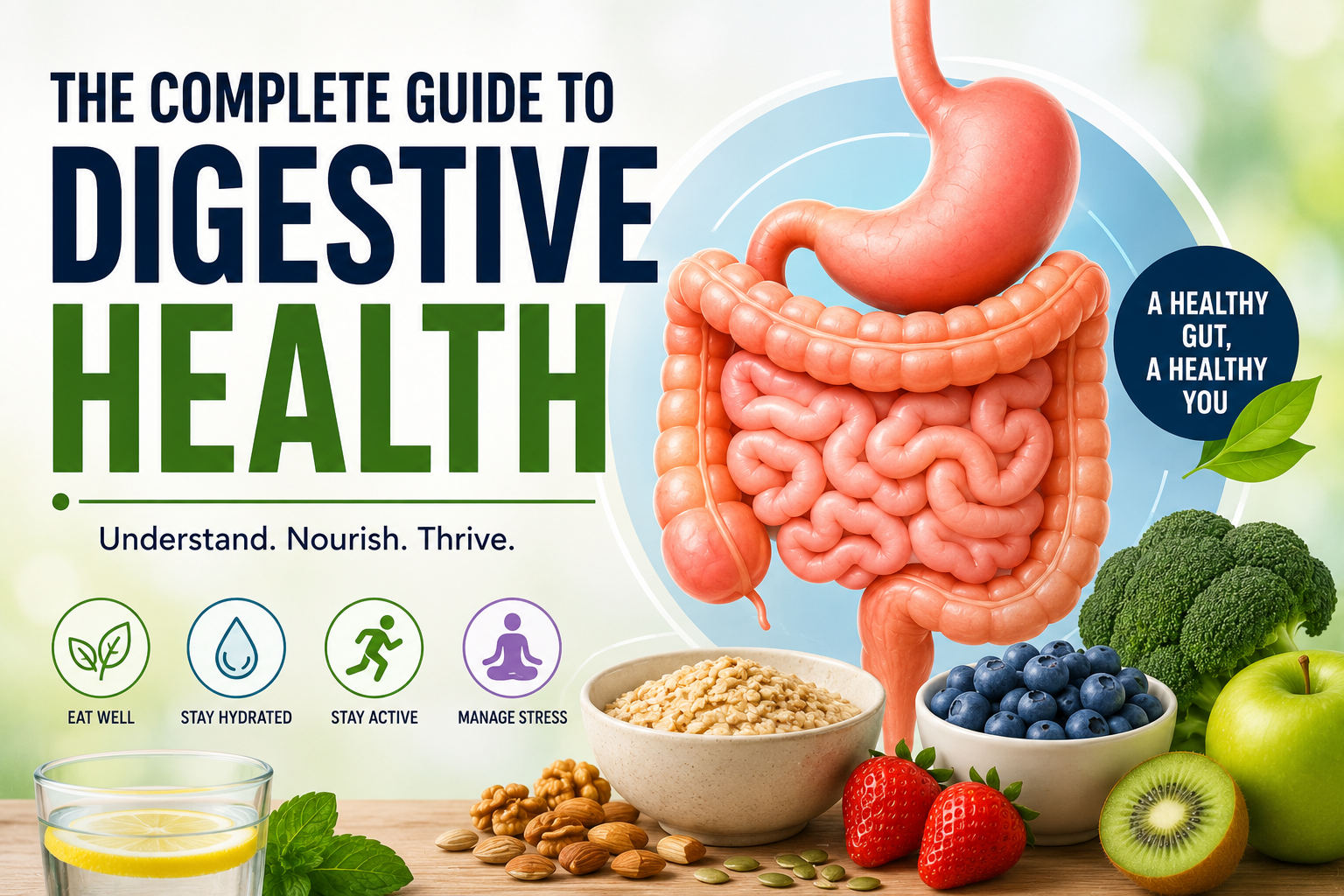
The Complete Guide to Digestive Health
Your digestive system does much more than simply break down food. It helps turn what you eat and drink into nutrients that the body uses for energy, growth, tissue repair, and everyday function.
The digestive system includes the gastrointestinal tract as well as organs such as the liver, pancreas, and gallbladder. Together, these organs coordinate digestion and nutrient absorption while also helping move waste through and out of the body.
Digestive health can be influenced by diet, physical activity, medications, infections, underlying health conditions, stress, and many other factors. Understanding how digestion works and recognizing persistent or concerning symptoms can help people make informed decisions about their health.
What Is Digestive Health?
Digestive health refers to the normal functioning of the digestive system and its ability to process food, absorb nutrients, and eliminate waste.
A healthy digestive system does not necessarily mean that a person never experiences gas, occasional bloating, or temporary changes in bowel habits. These experiences can occur normally.
However, symptoms that are persistent, severe, worsening, or accompanied by warning signs may require medical evaluation.
The digestive system includes:
- The mouth
- Esophagus
- Stomach
- Small intestine
- Large intestine
- Rectum
- Anus
- Liver
- Gallbladder
- Pancreas
Each part performs a different role, but they work together as one interconnected system.
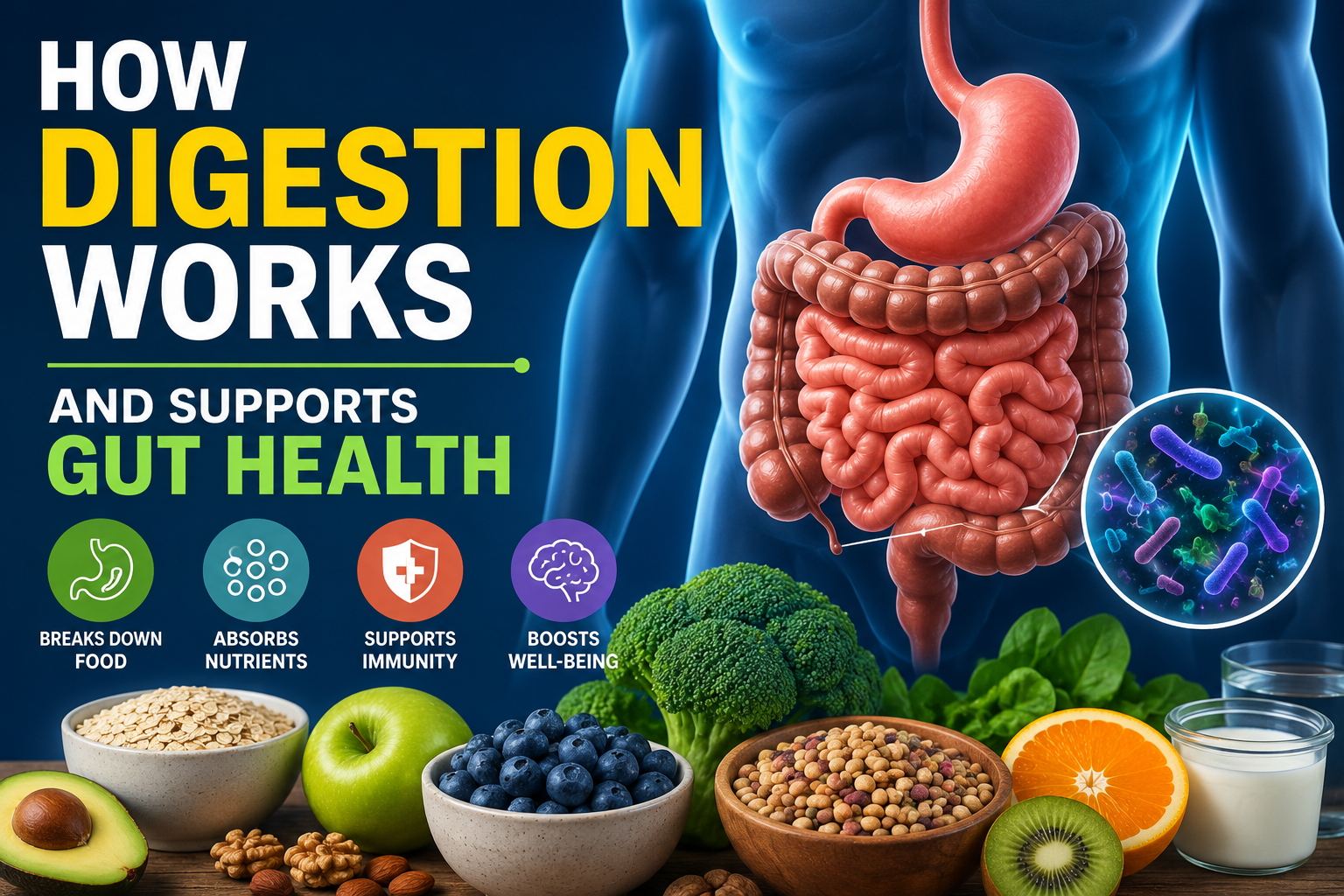
How Does Digestion Work?
Digestion begins before food reaches the stomach.
1. The Mouth Begins Digestion
Chewing breaks food into smaller pieces, while saliva begins the chemical digestion of certain nutrients.
The tongue helps move food around the mouth and eventually forms it into a bolus that can be swallowed.
2. The Esophagus Moves Food
After swallowing, muscles in the esophagus help move food toward the stomach through coordinated contractions known as peristalsis.
3. The Stomach Breaks Food Down
The stomach stores food temporarily and mixes it with digestive juices.
This helps break food down into a form that can continue through the digestive tract.
4. The Small Intestine Absorbs Nutrients
Much of the digestion and nutrient absorption occurs in the small intestine.
Nutrients released from food can pass through the intestinal lining and enter the body’s circulation for use by tissues and organs.
5. The Large Intestine Processes Remaining Material
The large intestine absorbs water and helps form stool from material that remains after digestion.
The resulting waste eventually passes through the rectum and leaves the body.
Why Digestive Health Matters
Digestive health is closely connected to nutrition because the digestive system makes nutrients available to the rest of the body.
Poor digestive function can interfere with eating, nutrient absorption, hydration, and quality of life.
Digestive symptoms can also sometimes be associated with conditions affecting other parts of the body or with disorders involving interactions between the brain and digestive system.
There is therefore no single definition of a “perfect” digestive system. Instead, the goal is normal function, adequate nutrition, comfortable digestion, and appropriate evaluation when problems persist.
Eating for Better Digestive Health
Diet is one of the most important factors influencing digestive health.
The World Health Organization recommends a varied, balanced diet built around nutritious foods, including vegetables, fruits, legumes, whole grains, and other minimally processed foods. WHO also recommends adequate dietary fibre and limiting excessive amounts of free sugars, unhealthy fats, and salt.
Eat More Fibre-Rich Foods
Dietary fibre is found naturally in foods such as:
- Beans and lentils
- Fruits
- Vegetables
- Whole grains
- Nuts
- Seeds
Fibre contributes to normal bowel function, although individual tolerance varies.
A sudden large increase in fibre can cause temporary bloating or gas in some people, so dietary changes are often better introduced gradually.
WHO recommends that people older than 10 years aim for at least 25 grams of naturally occurring dietary fibre each day. Individual needs can vary, however.
Choose a Variety of Foods
There is no single food that provides every nutrient the body needs.
Eating a diverse range of foods makes it easier to obtain different vitamins, minerals, fibre, protein, and other nutrients.
WHO describes adequacy, balance, moderation, and diversity as core principles of a healthy diet.
Limit Excessively Processed Foods
Highly processed foods can contain large amounts of salt, free sugars, and unhealthy fats.
That does not mean every processed food needs to be eliminated. Processing can also improve food safety, convenience, shelf life, and accessibility.
The broader goal is to build a diet in which nutritious foods make up a substantial portion of overall intake.
Hydration and Digestive Health
Water plays an important role throughout the body and is particularly relevant to normal bowel function.
Fluid requirements vary according to factors such as body size, activity level, climate, diet, illness, pregnancy, and other individual circumstances.
Rather than focusing on a single universal amount, people can pay attention to thirst, fluid intake, and signs of dehydration while following medical advice when they have conditions that affect fluid requirements.
What Is the Gut Microbiome?
The digestive tract contains a complex community of microorganisms, including bacteria and other microbes.
This community is commonly referred to as the gut microbiome.
Researchers continue to study how the microbiome interacts with digestion, immunity, metabolism, and other aspects of health.
Diet is one factor that can influence the microorganisms living in the digestive tract, which is another reason dietary variety and adequate fibre are important areas of interest in digestive health.
However, claims that a particular food, supplement, or “detox” can universally repair or reset the microbiome should be treated cautiously.
Digestive Health and Physical Activity
Regular physical activity is part of an overall healthy lifestyle.
Exercise affects many systems throughout the body and can support general well-being.
For people experiencing digestive symptoms, activity may be helpful as part of a broader lifestyle approach, although the appropriate type and intensity depend on the person’s health and symptoms.
People with significant or unexplained symptoms should not use exercise as a substitute for medical evaluation.
Stress and the Digestive System
The digestive system and nervous system communicate extensively.
This is one reason emotional stress can sometimes be associated with changes in digestive symptoms.
Some gastrointestinal disorders are classified as disorders of gut-brain interaction. Functional dyspepsia, for example, involves symptoms related to how the gut and brain interact.
This does not mean digestive symptoms are “all in your head.” The symptoms are real, and the gut-brain relationship is a biological system involving multiple mechanisms.
Managing stress, getting adequate sleep, remaining physically active, and seeking appropriate medical care can all form part of a broader approach to well-being.
Common Digestive Symptoms
Digestive symptoms are common and can have many different causes.
Some frequently reported symptoms include:
- Bloating
- Gas
- Belching
- Abdominal discomfort
- Heartburn
- Nausea
- Constipation
- Diarrhea
- Changes in bowel habits
- Feeling unusually full after eating
- Indigestion
For example, NIDDK notes that gas symptoms can include belching, bloating, abdominal distention, and passing gas. Some gas is normal, particularly around meals, but symptoms that frequently interfere with daily life may warrant medical attention.
Understanding Indigestion
Indigestion, also called dyspepsia, describes a group of gastrointestinal symptoms rather than a single disease.
Symptoms can include:
- Upper abdominal discomfort
- Burning sensations
- Feeling full too quickly
- Feeling uncomfortably full after eating
- Bloating
- Nausea
- Belching
NIDDK notes that chronic indigestion can have different causes, and some people have functional dyspepsia, a disorder involving gut-brain interactions.
Persistent indigestion should not automatically be attributed to a particular food or lifestyle habit without considering other possible causes.
Constipation and Digestive Health
Constipation generally involves bowel movements that are difficult to pass, infrequent, or associated with other changes in normal bowel function.
Factors that can contribute to constipation may include:
- Low fibre intake
- Inadequate fluid intake
- Limited physical activity
- Changes in routine
- Certain medications
- Some medical conditions
Persistent constipation or significant changes in bowel habits deserve medical attention, particularly when accompanied by other concerning symptoms.
Diarrhea and Digestive Health
Diarrhea involves loose or watery stools and can occur for many reasons.
Possible causes include infections, food-related problems, medications, and digestive conditions.
Short-term diarrhea often resolves on its own, but prolonged or severe diarrhea can result in dehydration and may require medical assessment.
People who experience persistent symptoms, blood in the stool, severe abdominal pain, fever, or signs of dehydration should seek appropriate medical care.
Heartburn and Acid Reflux
Acid reflux occurs when stomach contents move back toward the esophagus.
GERD, or gastroesophageal reflux disease, is a chronic condition involving troublesome reflux symptoms or complications.
Common symptoms can include heartburn and regurgitation. NIDDK also notes that some people may experience symptoms such as chest pain, nausea, swallowing difficulties, chronic cough, or hoarseness.
Persistent reflux symptoms should be discussed with a healthcare professional rather than treated indefinitely through self-diagnosis.
Food Intolerances and Digestive Symptoms
Some people notice digestive symptoms after eating particular foods.
Examples include symptoms associated with lactose intolerance or certain carbohydrate sensitivities.
A food causing symptoms in one person does not necessarily cause the same symptoms in another.
It is also important to distinguish between a food intolerance and a food allergy. Allergies involve an immune response and can potentially cause serious reactions.
People who repeatedly experience symptoms after eating particular foods may benefit from discussing them with a healthcare professional or qualified dietitian rather than unnecessarily eliminating large numbers of foods.
Probiotics and Digestive Health
Probiotics are live microorganisms that may provide health benefits in certain circumstances.
However, probiotics are not interchangeable. Different strains can have different effects, and evidence for one product or condition does not automatically apply to another.
For that reason, it is misleading to describe probiotics as a universal solution for digestive problems.
People considering probiotic supplements should consider the specific product, evidence for its intended use, possible side effects, and individual health circumstances.
Digestive Enzymes and Supplements
The digestive system naturally produces enzymes that help break down food.
Some supplements marketed as digestive enzymes may be useful for particular medical conditions, but that does not mean everyone with bloating or indigestion needs an enzyme supplement.
Likewise, “digestive detox” products and cleansing programs should not be assumed to improve digestive health simply because they are marketed for that purpose.
Supplements can also interact with medications or be inappropriate for certain people.
A healthcare professional can help determine whether a supplement is appropriate for a particular situation.
Common Digestive Conditions
The digestive system can be affected by many different conditions.
Examples include:
- Gastroesophageal reflux disease
- Irritable bowel syndrome
- Inflammatory bowel disease
- Celiac disease
- Lactose intolerance
- Gastritis
- Peptic ulcers
- Diverticular disease
- Gallstones
- Liver diseases
- Pancreatic disorders
These conditions can have overlapping symptoms, which is one reason it can be difficult to identify a cause based solely on symptoms.
NIDDK maintains information on a wide range of digestive diseases, including IBS, Crohn’s disease, celiac disease, gas, lactose intolerance, diarrhea, diverticular disease, and GERD.
When Digestive Symptoms Need Medical Attention
Most digestive symptoms are not automatically signs of a serious disease.
However, some symptoms should not be ignored.
Seek medical attention promptly for symptoms such as:
- Blood in vomit
- Black or tar-like stools
- Significant or unexplained weight loss
- Persistent vomiting
- Severe or constant abdominal pain
- Difficulty or pain when swallowing
- Persistent abdominal swelling or bloating
- Yellowing of the skin or eyes
- Significant changes in bowel habits
- Symptoms that continue or worsen despite appropriate self-care
NIDDK specifically lists several of these symptoms as reasons to seek medical evaluation in the context of indigestion.
Symptoms can have many causes, so the presence of one does not automatically mean a particular disease is present.
Digestive Health and Cancer Screening
Some digestive diseases can be detected or prevented through appropriate screening.
Colorectal cancer is an important example. Screening can identify abnormal growths before they develop into cancer in some cases.
The CDC states that routine colorectal cancer screening beginning at age 45 can save lives, while people with certain risk factors may need screening earlier or more frequently.
Screening recommendations vary by country, age, personal history, family history, and other risk factors. People should follow recommendations from their healthcare provider and applicable national guidelines.
Everyday Habits That Support Digestive Health
There is no single routine that guarantees perfect digestion, but several broad habits can support overall health:
- Eat a varied diet. Include a broad range of nutritious foods.
- Increase fibre gradually. Beans, vegetables, fruits, and whole grains are useful sources.
- Stay adequately hydrated. Individual fluid needs vary.
- Be physically active. Regular activity supports overall health.
- Get adequate sleep. Sleep is an important part of general well-being.
- Pay attention to persistent symptoms. Don’t repeatedly dismiss symptoms that are getting worse.
- Review medications when appropriate. Some medicines can affect digestion.
- Avoid unnecessary restrictive diets. Eliminating foods without a clear reason can make a diet less nutritious.
- Use supplements carefully. More supplements do not necessarily mean better digestive health.
- Seek professional advice when symptoms persist. Diagnosis requires consideration of medical history, symptoms, examination, and sometimes testing.
WHO identifies healthy eating, physical activity, adequate sleep, avoiding tobacco, and other healthy lifestyle practices as components of self-care and well-being.
Digestive Health Myths Worth Questioning
“Everyone Needs a Detox”
There is no reason to assume that everyone needs a commercial digestive cleanse or detox program.
The body already has organs and biological systems involved in processing and eliminating substances.
“More Fibre Is Always Better”
Fibre is important, but dramatically increasing fibre can cause discomfort in some people. Individual tolerance and medical conditions matter.
“All Bloating Means Something Is Wrong”
Bloating can occur normally, including around meals. Persistent or troublesome bloating is different and may warrant evaluation.
“Probiotics Work the Same for Everyone”
Different probiotic strains and products can have different evidence and effects.
“Digestive Symptoms Are Always Caused by Food”
Food can influence symptoms, but digestive symptoms can also have infectious, medication-related, structural, inflammatory, neurological, and other causes.
Building a Sustainable Digestive Health Routine
Good digestive health is less about finding a single “miracle” food and more about establishing sustainable habits.
A varied diet, adequate fibre, appropriate hydration, regular physical activity, sufficient sleep, and attention to persistent symptoms provide a more reliable foundation than restrictive cleanses or unsupported supplement claims.
At the same time, healthy habits should never be used to dismiss symptoms that require medical assessment. Persistent digestive problems can have many causes, and appropriate diagnosis is important.
The digestive system is complex, but the basic goal is straightforward: provide the body with nutritious food, support normal digestion and elimination, and recognize when something has changed enough to deserve professional attention.



2 Comments
Micle harison
June 7, 2019Lorem ipsum dolor sit amet, usu ut perfecto postulant deterruisset, libris causae volutpat at est, ius id modus laoreet urbanitas. Mel ei delenit dolores.
John Doe
June 7, 2019Some consultants are employed indirectly by the client via a consultancy staffing company.