
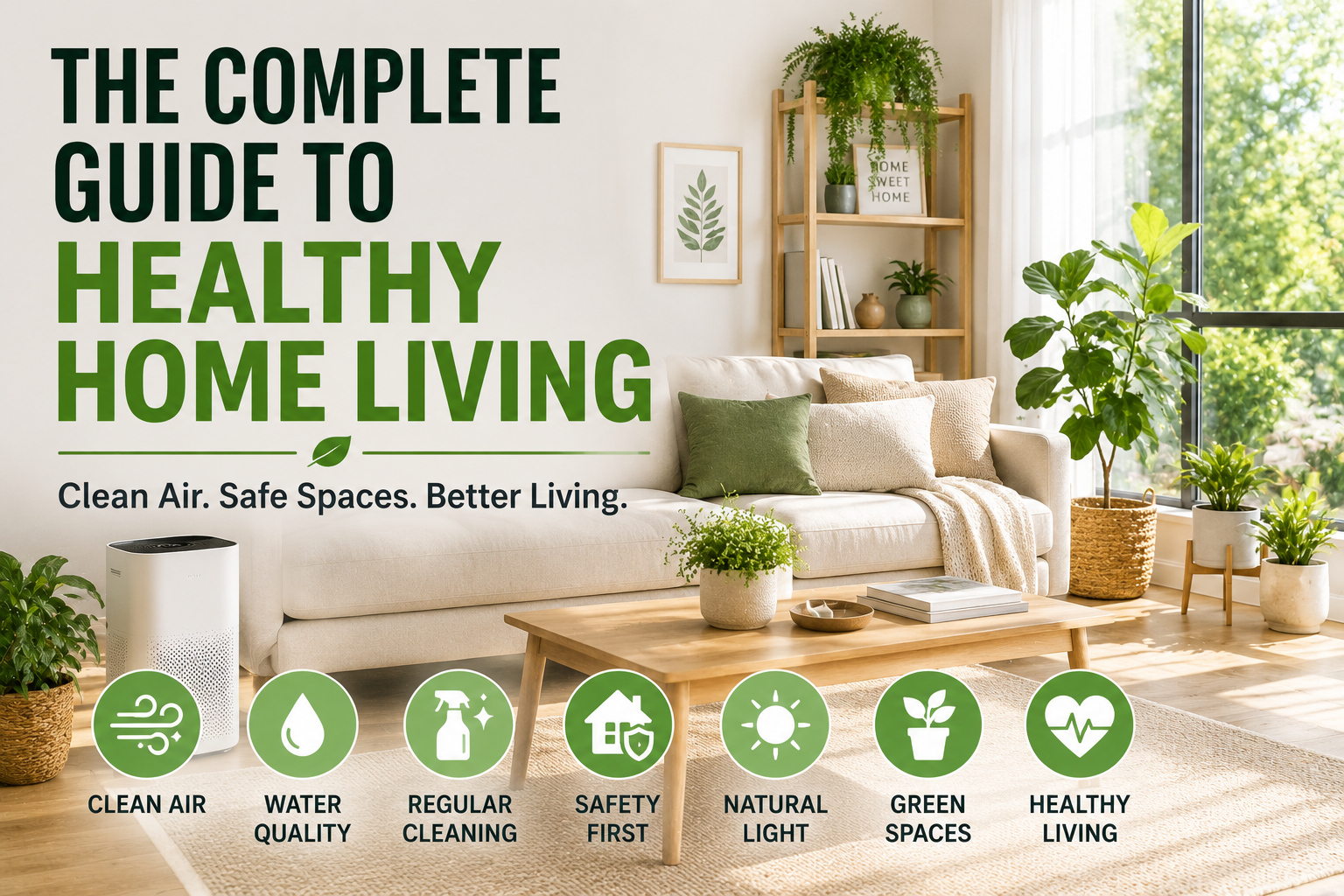
The Complete Guide to Healthy Home Living
A healthy home is about more than keeping rooms clean and looking attractive. The spaces where people live can influence comfort, sleep, productivity, safety, and overall well-being.
From indoor air quality and lighting to cleaning habits, moisture control, organization, and everyday household choices, small improvements can make a meaningful difference. The good news is that creating a healthier home does not necessarily require expensive renovations or complicated technology.
What Is Healthy Home Living?
Healthy home living means creating and maintaining a household environment that supports physical comfort, safety, cleanliness, and well-being.
It involves several interconnected areas, including:
- Clean and well-ventilated indoor air
- Good natural and artificial lighting
- Appropriate temperature and humidity
- Regular cleaning and maintenance
- Safe drinking water
- Reduced exposure to household pollutants
- Comfortable sleeping conditions
- Organized and uncluttered spaces
- Safe storage of household products
- Healthy daily routines
A healthy home does not have to be perfect. The objective is to identify the factors that have the greatest effect on everyday life and improve them gradually.
Why a Healthy Home Matters
People spend a significant amount of time indoors, making the home environment an important part of daily well-being.
Poor ventilation, excessive moisture, dust, clutter, inadequate lighting, and unsafe household practices can make a home less comfortable and potentially create avoidable health and safety concerns.
By contrast, a well-maintained home can provide a more comfortable environment for sleeping, working, relaxing, and spending time with family.
Healthy home living also encourages preventative maintenance. Fixing a small leak, replacing a damaged filter, or addressing excessive clutter early can be easier and less expensive than dealing with a larger problem later.
Improve Indoor Air Quality
Indoor air quality is one of the most important parts of a healthy home.
Indoor pollutants can come from cooking, cleaning products, smoke, building materials, furnishings, dust, outdoor pollution, and other sources.
Increase Ventilation
Good ventilation helps replace stale indoor air with fresh outdoor air.
Whenever practical, open windows or use mechanical ventilation to improve air circulation. Kitchens and bathrooms are particularly important because cooking and bathing can generate moisture and airborne pollutants.
Using a range hood or exhaust fan while cooking can also help reduce airborne particles and excess moisture.
Reduce Indoor Smoke
Avoid smoking inside the home.
Smoke can remain in indoor environments and settle on surfaces even after the visible smoke has disappeared. Keeping smoking outside can significantly reduce indoor exposure.
Keep Filters Clean
Heating, cooling, and ventilation systems often rely on filters to capture airborne particles.
Follow the manufacturer’s recommendations for checking and replacing filters. A neglected filter may reduce system efficiency and allow accumulated dust to circulate.
Keep Moisture Under Control
Excess moisture can contribute to mold growth and can damage building materials over time.
Common sources of household moisture include:
- Leaking pipes
- Roof leaks
- Condensation
- Steamy bathrooms
- Cooking
- Poor ventilation
- Flooding
Pay attention to damp areas, musty odors, condensation, and visible water damage.
Bathrooms and kitchens deserve particular attention because they naturally produce significant amounts of moisture.
Promptly addressing leaks and improving ventilation can help prevent moisture-related problems from becoming more serious.
Maintain a Clean Home
Regular cleaning helps control dust, dirt, allergens, and other contaminants.
A practical cleaning routine should focus on frequently used and frequently touched areas rather than attempting to clean every surface every day.
Important areas include:
- Kitchen counters
- Bathroom surfaces
- Floors
- Bedding
- Frequently touched handles
- Light switches
- Remote controls
- High-use appliances
Vacuuming and dusting regularly can also help prevent dust from accumulating.
Cleaning routines should be realistic. A simple schedule that is consistently followed is generally more useful than an ambitious routine that becomes difficult to maintain.
Choose Household Cleaning Products Carefully
Cleaning products can help maintain hygiene, but they should be used appropriately.
Always follow product labels and avoid mixing cleaning chemicals unless the manufacturer specifically indicates that doing so is safe.
Store household chemicals securely, particularly in homes with children or pets.
Using the minimum amount necessary for a task can also help reduce unnecessary chemical exposure and waste.
Create a Healthier Bedroom
Sleep quality is strongly influenced by the environment in which people sleep.
A comfortable bedroom should ideally be:
- Quiet
- Dark enough for comfortable sleep
- Well ventilated
- At a comfortable temperature
- Relatively free from unnecessary clutter
Wash bedding regularly and pay attention to mattresses, pillows, curtains, and other materials that can collect dust.
Reducing unnecessary screens, bright lighting, and disruptive noise near bedtime may also make the bedroom more conducive to rest.
Make the Kitchen Safer and Healthier
The kitchen combines food preparation, heat, moisture, appliances, and cleaning products, making it one of the most important areas to manage carefully.
Basic kitchen habits include:
- Wash hands before preparing food
- Keep food preparation surfaces clean
- Separate raw and ready-to-eat foods
- Refrigerate perishable foods appropriately
- Clean spills promptly
- Maintain kitchen appliances
- Use ventilation while cooking
- Store cleaning products away from food
Regularly checking the refrigerator and pantry can also help prevent expired or spoiled food from remaining in the home.
Pay Attention to Drinking Water
Safe drinking water is an essential part of a healthy household.
If your home uses a private water source or a filtration system, follow appropriate testing and maintenance recommendations.
Water filters should also be replaced according to the manufacturer’s instructions. A filter that is overdue for replacement may not perform as intended.
If you notice unusual changes in water taste, color, smell, or appearance, investigate the cause rather than simply ignoring it.
Manage Household Clutter
Clutter can make a home harder to clean, harder to navigate, and more stressful to use.
A practical organization system can make everyday life easier.
Start with frequently used spaces such as:
- Entryways
- Kitchens
- Bedrooms
- Bathrooms
- Work areas
Instead of trying to organize an entire home at once, work on one category or room at a time.
Items that are no longer useful can be donated, recycled, discarded, or stored appropriately.
A home does not need to be minimalist to be healthy. The goal is to create spaces that are functional, accessible, and manageable.
Choose Safer Storage Practices
Household products should be stored according to their intended use.
Cleaning chemicals, medications, tools, batteries, and other potentially hazardous items should be kept away from children and stored securely.
Food should also be stored appropriately to prevent contamination and spoilage.
Clear labeling can be especially helpful when products are transferred or stored outside their original packaging, provided that doing so is appropriate and safe.
Improve Home Lighting
Lighting affects how comfortable and functional a home feels.
Natural daylight can make indoor spaces feel brighter and more inviting, while appropriate artificial lighting helps people perform everyday tasks safely.
Consider using different types of lighting for different purposes:
- General room lighting
- Task lighting
- Reading lights
- Kitchen work lighting
- Outdoor security lighting
Avoid excessively harsh lighting in spaces intended for relaxation, while ensuring work areas have enough illumination for the tasks being performed.
Keep Temperatures Comfortable
Indoor temperature can have a significant effect on comfort.
Heating and cooling systems should be maintained regularly, and doors and windows should be checked for obvious drafts or damaged seals.
Simple measures such as curtains, blinds, insulation improvements, and appropriate ventilation can also influence indoor comfort and energy use.
The ideal temperature can vary from person to person, so the goal is to create an environment that is comfortable without unnecessary energy consumption.
Prevent Household Pests
Pests can enter homes through small openings, food sources, standing water, and other pathways.
Prevention is often easier than dealing with a significant infestation.
Useful habits include:
- Keep food stored securely
- Clean crumbs and spills
- Empty trash regularly
- Repair leaks
- Remove standing water
- Seal obvious openings where appropriate
- Keep storage areas clean
If a pest problem becomes persistent or extensive, professional assistance may be appropriate.
Maintain Your Home Regularly
Healthy home living depends partly on preventive maintenance.
Create a basic maintenance schedule covering important household systems and components.
This might include checking:
- Plumbing
- Roof and gutters
- Electrical systems
- Heating and cooling equipment
- Smoke alarms
- Carbon monoxide alarms
- Doors and windows
- Appliances
- Drainage systems
Keeping records of maintenance and repairs can make it easier to identify recurring problems and plan future work.
Make Home Safety a Priority
A healthy home should also be a safe home.
Basic safety measures include functioning smoke alarms, appropriate carbon monoxide detection where applicable, clear emergency exits, safe electrical practices, and secure storage of hazardous materials.
Avoid overloading electrical outlets and address damaged cords, plugs, or appliances promptly.
Walk through the home periodically and look for hazards that may have developed over time.
Create Healthier Outdoor Spaces
Healthy home living extends beyond the walls of the house.
Outdoor areas can provide opportunities for exercise, relaxation, gardening, and social activities.
Keep outdoor spaces maintained and remove hazards such as broken surfaces, unstable structures, standing water, or poorly stored equipment.
If gardening products, fuels, tools, or chemicals are stored outside, keep them secure and use them according to their instructions.
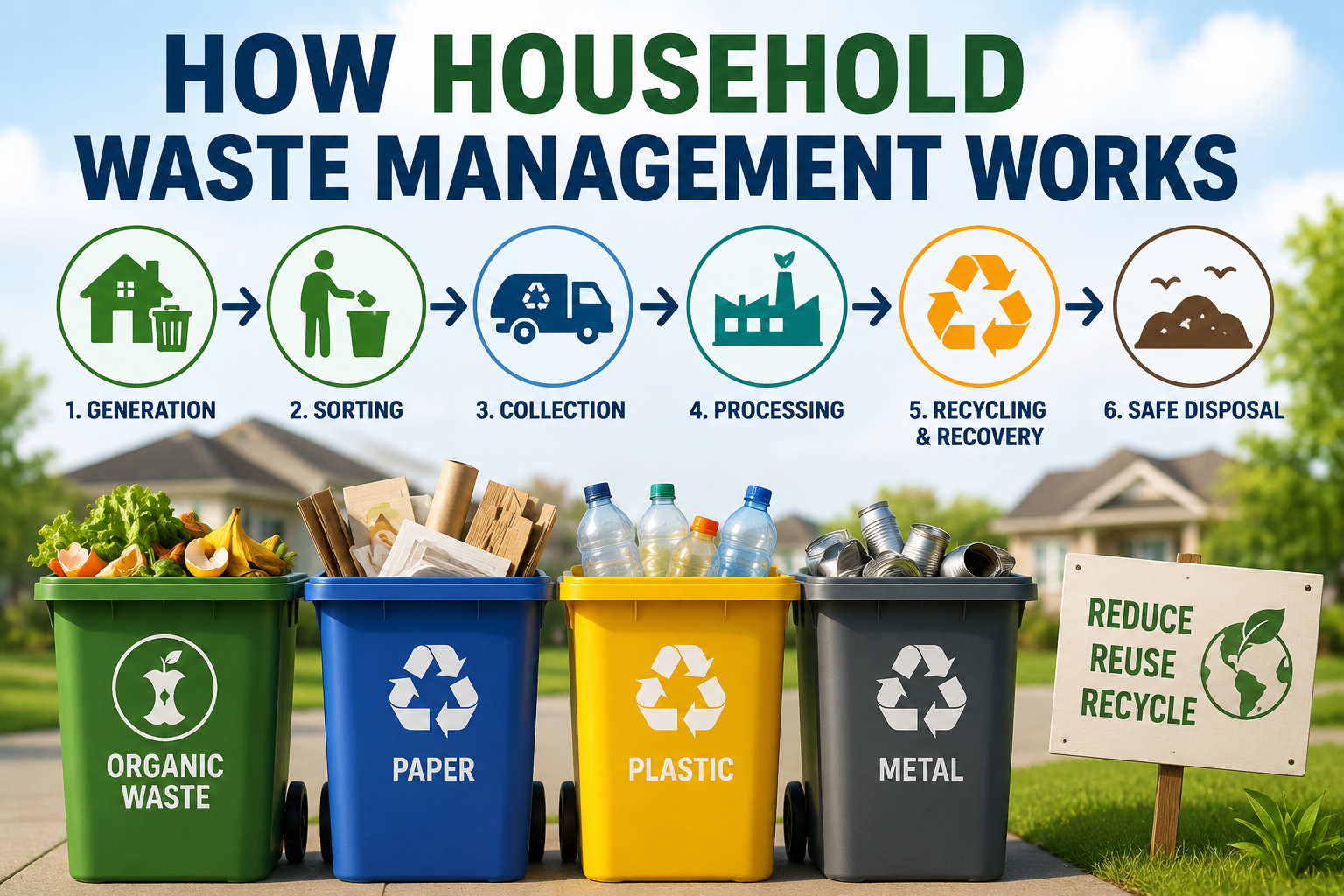
Reduce Unnecessary Household Waste
Waste management is another part of maintaining a well-run home.
Simple changes can include:
- Buying only what is needed
- Reusing suitable containers
- Recycling where facilities exist
- Composting appropriate organic waste
- Choosing durable household products
- Repairing items when practical
Reducing waste can also make household organization easier because fewer unnecessary items accumulate.
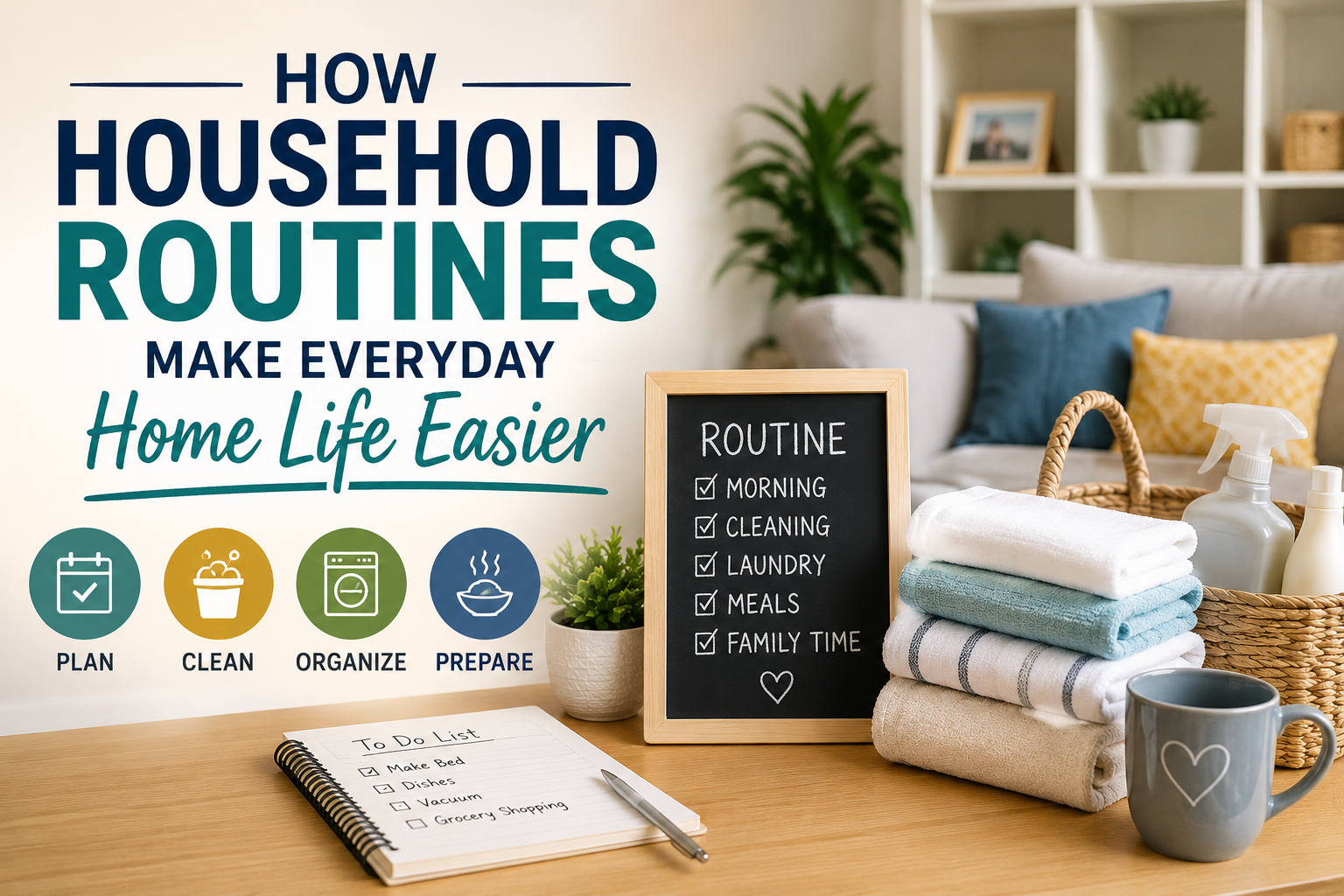
Build Healthy Daily Routines
A healthy home is shaped by the habits practiced inside it.
Small routines can have a surprisingly large cumulative effect.
For example, households can establish simple habits such as:
- Opening windows when appropriate
- Cleaning kitchen surfaces after meals
- Putting items away after use
- Checking for leaks
- Washing bedding regularly
- Removing trash before it accumulates
- Maintaining ventilation in bathrooms
- Keeping frequently used areas organized
The most effective routines are those that fit naturally into everyday life.
Common Healthy Home Mistakes
Even well-intentioned homeowners can overlook certain areas.
Ignoring Small Leaks
A minor leak can eventually cause significant water damage if left unresolved.
Cleaning Without Ventilation
Using cleaning products in a poorly ventilated space can unnecessarily increase exposure to fumes.
Overlooking Humidity
Persistent condensation or dampness can indicate a moisture problem that deserves attention.
Keeping Too Much Clutter
Excess belongings can make cleaning and maintenance more difficult.
Forgetting Maintenance
Household systems can deteriorate when inspections and routine maintenance are repeatedly postponed.
Using Too Many Products
More cleaning products do not necessarily mean a cleaner home. Using appropriate products correctly is more important than accumulating a large collection.
A Simple Healthy Home Checklist
For households looking for an easy starting point, the following checklist can help:
| Area | Healthy Home Habit |
|---|---|
| Air | Ventilate rooms appropriately |
| Moisture | Address leaks and dampness quickly |
| Kitchen | Keep food preparation areas clean |
| Bedroom | Maintain a comfortable sleep environment |
| Cleaning | Establish a realistic cleaning routine |
| Water | Maintain appropriate filtration and testing |
| Safety | Check smoke and carbon monoxide alarms |
| Storage | Secure hazardous household products |
| Organization | Keep frequently used spaces manageable |
| Maintenance | Address small problems before they grow |
How to Start Improving Your Home
You do not need to change everything at once.
Start by walking through your home and identifying three areas that could be improved. They might be as simple as a cluttered entryway, a poorly ventilated bathroom, or a filter that needs replacing.
Address the easiest improvements first. Once those become routine, move to larger projects.
This approach makes healthy home living more achievable because it turns a broad goal into a series of manageable actions.
Building a Home That Supports Everyday Well-Being
A healthy home is ultimately created through consistent choices rather than a single major project.
Clean air, controlled moisture, safe storage, good maintenance, comfortable sleeping spaces, sensible organization, and everyday safety practices all contribute to a better living environment.
The most effective approach is to focus on the fundamentals, establish sustainable routines, and address problems before they become expensive or disruptive.
A healthier home does not have to be complicated. Often, it begins with paying attention to the environment around you and making practical improvements one step at a time.



2 Comments
Micle harison
June 7, 2019Lorem ipsum dolor sit amet, usu ut perfecto postulant deterruisset, libris causae volutpat at est, ius id modus laoreet urbanitas. Mel ei delenit dolores.
John Doe
June 7, 2019Some consultants are employed indirectly by the client via a consultancy staffing company.